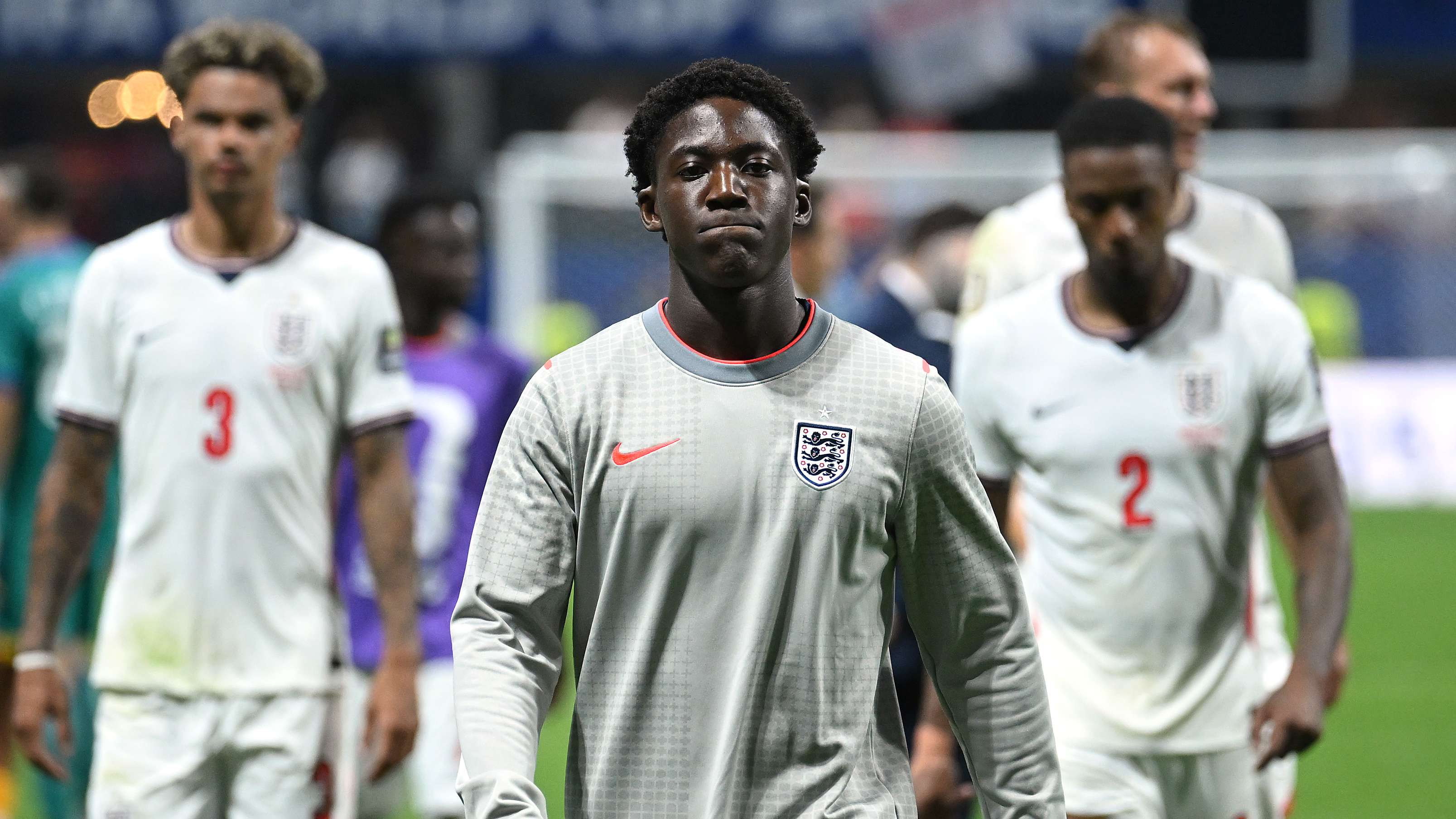
England managed to add a touch of respectability to their 2026 World Cup campaign. Their thrilling 6-4 victory over France in the bronze-medal clash on Saturday may not erase the sting of their semi-final defeat to Argentina three days earlier, but it certainly restored some pride.
The match also allowed manager Thomas Tuchel to showcase the depth of his squad. His selection had sparked debate, as it was tailored to suit a specific playing style, leaving out major names such as Phil Foden, Cole Palmer, and Trent Alexander-Arnold.
Those chosen for the tournament in North America produced a blend of highs and lows. Although England reached the World Cup semi-final, questions remain over the quality of their performances throughout the competition.
Some players, though, truly stood out. Jude Bellingham emerged as one of the tournament’s top performers, while Declan Rice and Elliot Anderson impressed in phases, and Harry Kane was in contention for the Golden Boot. However, several others delivered rather average showings.
Here is a detailed look at every England player’s rating from their World Cup campaign:
26. Kobbie Mainoo (N/A)
The Manchester United youngster did not feature at all, missing out due to a back injury sustained just before the France game, which also ruled him out of the bronze-medal match.
25. James Trafford (N/A)
Serving as the third-choice goalkeeper, Trafford didn’t get any game time. This experience, though, will be invaluable for his development, especially with Jordan Pickford nearing the twilight of his career.
24. Trevoh Chalobah (N/A)
Drafted in late to replace the injured Tino Livramento, Chalobah’s only appearance came as a stoppage-time substitute against France, where he looked understandably nervous on his debut.
23. Jordan Henderson (N/A)
Henderson made a brief six-minute cameo against Panama, marking his seventh major tournament appearance — a record for an England player. Unfortunately, he later broke his arm during the Mexico match warm-up and remained off the pitch, contributing instead to team morale from the sidelines.
22. Jarell Quansah (3/10)
Quansah’s tournament was one to forget. He performed decently before picking up an injury against Panama, was sent off against Mexico, and struggled badly against Kylian Mbappe in the France clash. Playing out of position at right-back didn’t help his cause.
21. Ollie Watkins (4/10)
After his heroics in Euro 2024, Watkins would have hoped for more than 51 minutes across two substitute appearances. He looked sharp against France but was largely a peripheral figure overall.
20. Ivan Toney (4/10)
Brought mainly for his penalty-taking expertise, Toney’s involvement was limited. He came on late against Argentina and started against France but couldn’t make a major impact.
19. Dean Henderson (5/10)
Conceding four goals in his only appearance might seem harsh on Henderson, especially since he was blameless for most of them. He still managed a few solid saves to his credit.
18. Marcus Rashford (5/10)
Rashford began brightly, scoring a fine goal against Croatia, but faded as the competition progressed. After starting against Panama and DR Congo, he was benched until late in the Argentina match. He did finish his campaign with an assist against France.
17. Noni Madueke (5/10)
Expected to be Bukayo Saka’s deputy, Madueke ended up starting four games due to Saka’s fitness issues. While he impressed initially against Croatia, his form dipped, and he was subbed off at half-time versus Norway, not featuring afterward.
16. Eberechi Eze (5/10)
Eze made four substitute appearances and started in the bronze-medal tie, where he grabbed an assist. Though lively in moments, he couldn’t quite produce the attacking spark Tuchel desired.
15. Bukayo Saka (6/10)
Struggling with injury coming into the tournament, Saka was saved for the bronze match, where he netted a superb hat-trick. He also provided an assist against Mexico and looked promising against Norway, but injuries kept him from delivering fully.
14. John Stones (6/10)
Stones started slowly but improved as the tournament went on. After an inconsistent season, his performances were steady if unspectacular. At 32, this might have been his final World Cup.
13. Ezri Konsa (6/10)
Konsa showed versatility, excelling at times when deployed at right-back. However, poor marking against Argentina and a risky challenge against Ghana tarnished his campaign, despite scoring against France.
12. Reece James (6/10)
James impressed when fit, even slotting into midfield on occasion. Unfortunately, a recurring hamstring injury sidelined him for several games, continuing the question marks over his durability.
11. Dan Burn (6/10)
Though not considered an England regular, Burn’s physicality and aerial dominance were effective against Mexico and Norway. His inclusion was entertaining but unlikely to be repeated at this level.
10. Nico O'Reilly (6/10)
O’Reilly’s attacking flair stood out, though defensive lapses cost him a starting spot in the semi-final. He hit the woodwork multiple times and displayed glimpses of his immense talent.
9. Jordan Pickford (6/10)
Pickford’s heroics at the Azteca Stadium were memorable, as were his saves against Norway. However, he had shaky moments too, notably during Argentina’s equaliser in the semi-final.
8. Morgan Rogers (6/10)
Initially tipped to challenge Bellingham for a starting role, Rogers became an impact substitute instead. He registered an assist against Argentina and performed consistently in the latter stages.
7. Marc Guehi (7/10)
It’s puzzling that Guehi didn’t start the opening match. Once introduced, he proved to be England’s most reliable centre-back. His move to Manchester City should only enhance his defensive maturity moving forward.
6. Elliot Anderson (7/10)
Anderson grew into the tournament, stepping up in crucial moments. His performances suggested that a midfield trio of Rice, Anderson, and Bellingham could serve England well through 2030.
5. Declan Rice (7/10)
Rice excelled at winning possession and driving forward, although his passing lacked creativity at times. His goal and assist against France highlighted his class, and England clearly missed him when he was sidelined by injury.
4. Harry Kane (7/10)
Kane started strongly, scoring six goals and rescuing England in the DR Congo tie. However, his limited mobility was exposed against Argentina. Despite questions over his future role, his goalscoring consistency remains undeniable.
3. Djed Spence (8/10)
Spence was one of the surprises of the tournament. Outstanding against Argentina and France and energetic in earlier matches, his fearless challenge against Argentina will be long remembered. He’s earned a shot at a regular starting berth.
2. Anthony Gordon (8/10)
After losing his starting place early in the tournament, Gordon fought his way back into the XI with two assists off the bench against DR Congo. He was England’s standout player against Mexico and Norway, adding another assist and scoring once. His relentless energy and smart play justified Barcelona’s investment in him.
1. Jude Bellingham (10/10)
Bellingham silenced all doubts about his inclusion. The 23-year-old was England’s best player by far, scoring seven goals, including decisive braces against Mexico and Norway. Had England reached the final, he would have been a clear Golden Ball favourite. He has firmly established himself among the world’s elite midfielders.
-
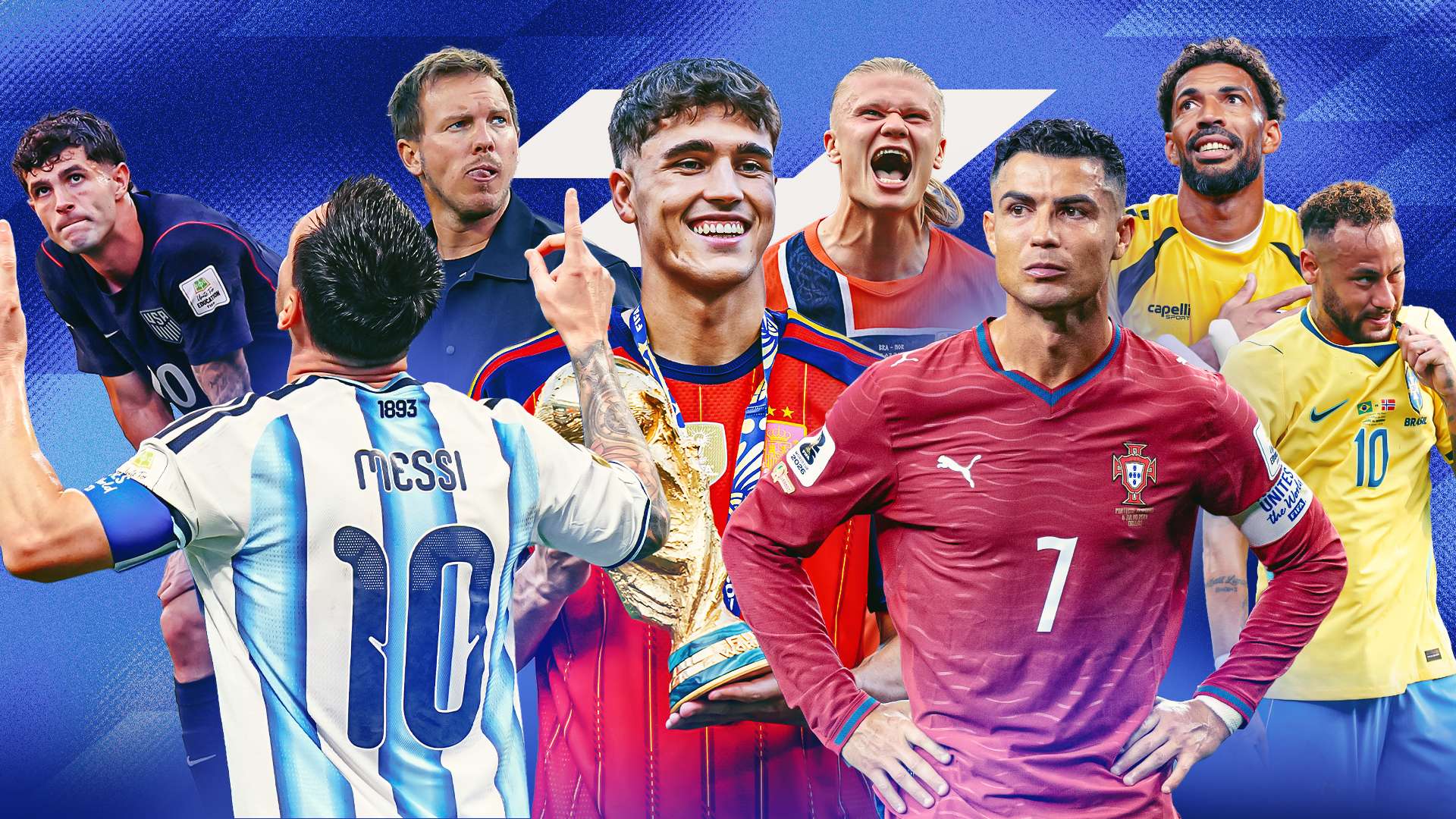
2026 World Cup Winners and Losers: Messi and Mbappe Shine, Spain’s Rock-Solid Defence Triumphs, While Ronaldo, Neymar and Pulisic End in Heartbreak
-
4 Chinese zodiac signs poised for prosperity in the sixth lunar month

-
Trump refuses to leave stage during Spain’s trophy lift
-
Why does breathing become difficult as soon as the weather changes? Know the reason, which people should be more cautious

-
Luck Finally Arrives For 3 Zodiac Signs On Tuesday, July 21, 2026