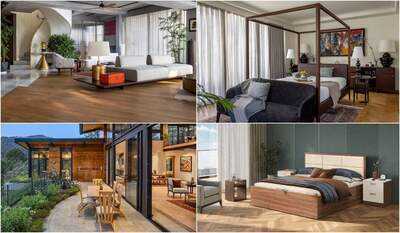
Remember the feeling of stepping into a luxury hotel room—the soft lighting, plush interiors and instant sense of calm? Increasingly, homeowners are looking to recreate that same experience in their own homes. From spa-inspired bathrooms and ambient lighting to wellness-focused spaces and smart technology, hospitality-led design is reshaping modern residential interiors.
According to experts, the shift reflects a growing preference for experience-driven living. “Homeowners today seek the same sense of comfort, sophistication, and functionality that they enjoy during premium hotel stays,” says Vaishali Shah, design lead of home storage at Godrej Interio , adding, “This has led to greater emphasis on layouts, curated material palettes, layered lighting, and spaces that promote relaxation and well-being.”
As the boundaries between luxury hotels and residential design continue to blur, hotel-inspired features are emerging as a defining element of contemporary luxury living.
‘Creating homes that offer an experience’
Homeowners are increasingly looking for spaces that simplify everyday living, blending thoughtful design with comfort and convenience. Designers say the emphasis is shifting from recreating the look of a luxury hotel to capturing the experience it offers. “I think the real aspiration is not to make homes look like hotels but to create living spaces that offer the same sense of comfort, ease, and considered experience while still feeling deeply inspired by the people living in them,” says Vandana Dhawan Saxena, founder and design principal at Studio IV Designs. She adds, “While homes continue to borrow from hospitality, luxury hotels are also becoming warmer and more residential in character, creating a two-way exchange of ideas centred on comfort and user experience.”
"The modern luxury homeowner expects a residence to function with the seamless, friction-free operation of a five-star resort. True luxury today is measured by a home that actively fosters well-being and offers complete sensory relief from urban chaos" - Heena Bhargava, Architect, Architecture Discipline
Features homeowners are looking for
What does it take to bring the luxury hotel experience home? According to experts, homeowners are increasingly investing in features that combine comfort with sophistication—from spa-like bathrooms , walk-in wardrobes, and layered lighting to clean air, optimal temperature control, and integrated smart-home technology. “Customers are also drawn to plush seating, statement headboards, ambient lighting, and the use of rich textures and natural materials. These elements translate well into homes because they elevate comfort while creating a refined and timeless aesthetic,” explains Shah.
"A home is deeply personal, while hotels are designed for a broad range of users. Yet both will continue to influence each other, with homes borrowing hospitality's comfort and hotels becoming warmer, more personal and more lived-in"
- Vandana Dhawan Saxena, founder and design principal
How hotels create a sense of luxury
Lighting shapes the mood: It is one of the most important elements because it sets the tone of a space and highlights the beauty of materials
Layered lighting creates comfort: Hotels often use warm, layered, and dimmable lighting instead of harsh overhead lights to create a cosy feel
Natural materials add warmth: Wood, stone, linen, and leather bring warmth and comfort.
Textures bring depth: A mix of textures brings depth and character to a space. “When lighting, materials, and textures work together, a home feels welcoming, calming, and truly luxurious,” says Rustom Cooper, co-founder of Empire Living
Where hotel-inspired design goes wrong
While bringing the charm of a luxury hotel into your home may sound appealing, designers say the secret lies in taking inspiration—not creating a replica. The most common mistake, they note, is prioritising visual impact over everyday comfort and functionality.
“A common mistake is focusing only on creating a strong first impression instead of designing for everyday living. While hotels are meant to impress for a short stay, homes need to feel comfortable for years,” says Shonali Mahajan Cooper, co-founder of Empire Living. She points to features such as oversized lobby-style seating or sleek but low sofas that look striking in photographs but often prove uncomfortable for long evenings with family.
Echoing this, Heena Bhargava, architect at Architecture Discipline, explains, “The biggest misstep homeowners make is focusing entirely on material opulence while ignoring the fundamentals of height, light, air, and space. A luxury hotel feels spectacular because it is designed spatially first.”
She says she has seen homeowners invest heavily in expensive marble finishes and statement lighting, only to end up with dark, poorly ventilated rooms that feel less comfortable than intended. She adds, “Homeowners often treat design as a checklist of objects rather than focusing on building an airy, light-filled home tailored to their own rhythm of daily life.”
"As homes increasingly serve as spaces for work, relaxation, and entertainment, homeowners are prioritising environments that feel calm, luxurious, and restorative. While aesthetics remain important, the focus is on enhancing everyday living through thoughtful design, convenience, and a sense of retreat"
- Vaishali Shah, a design lead in a home interior brand
-
PNB Recruitment: PNB announces recruitment for 545 officer posts for graduates; here are the salary details..

-
UP SI Score Card 2026: UP Police SI recruitment scorecard released; download available from 10 AM today..

-
UGC NET Answer Key: NTA will release the answer key and response sheet on ugcnet.nta.nic.in, allowing candidates to estimate their results.
-
Admit Card: CBSE Class 12 Supplementary Admit Card Released; Download Now..

-
UPSSSC PET 2026: UP PET applications expected to start from this date; check eligibility, fees, and other details..