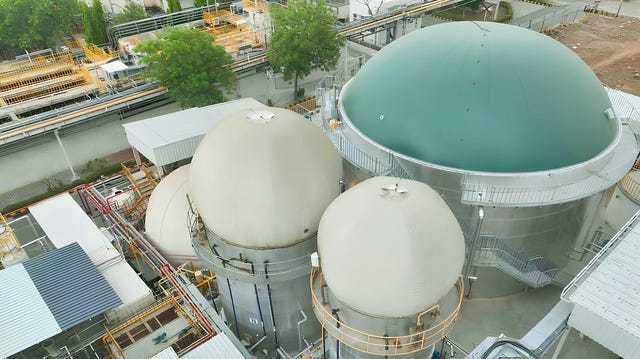
India’s pursuit of stronger energy independence is taking a creative route—starting with one of its most plentiful natural resources: cow dung. Rather than allowing livestock waste to decay, a Suzuki-supported initiative is converting it into compressed natural gas (CNG) to power everything from passenger cars to auto-rickshaws. As reported by Bloomberg, this project stands as one of the clearest indicators of India’s ambition to cut down fuel imports while utilising agricultural waste more effectively.
Located in Gujarat, the Banas Suzuki Bio-CNG plant handles about 88 tonnes of cattle waste daily, generating renewable compressed natural gas that retails at approximately ₹80 (US$0.93) per kilogram. This price is over ₹20 cheaper than petrol in several Indian regions, making it a cost-effective alternative for motorists—particularly those who already drive CNG-powered vehicles.
The initiative is a collaboration between Suzuki and Banas Dairy, one of Asia’s largest dairy cooperatives. Farmers across 16 villages contribute cattle waste and receive about ₹1 per kilogram in return. The gas produced from this waste fuels an estimated 600 to 700 vehicles daily. Moreover, the remaining byproduct is turned into organic fertiliser, which is then supplied back to the farms, ensuring a circular and sustainable system.
This momentum comes as India works to diversify its energy portfolio amid the supply disruptions caused by ongoing tensions in the Middle East. Earlier this month, Japan and India signed a strategic agreement to establish 1000 new biogas facilities. Additionally, Indian policymakers are considering increasing payments for biogas producers to encourage further private investment in the sector.
For Suzuki, the project represents more than just an environmental commitment. Instead of waiting for traditional fuel companies to expand CNG production, the automaker is taking proactive steps to develop the infrastructure itself. It’s a strategy reminiscent of Tesla’s approach with its Supercharger network—a move that has been instrumental in supporting the electric vehicle pioneer’s success.
However, scaling this initiative to the targeted 1000 facilities presents significant challenges. Current biogas production accounts for only a small portion of total fuel demand, and establishing the necessary collection systems, processing units, and distribution networks will require multi-billion-rupee investments. Nonetheless, if India manages to overcome these logistical hurdles, one of its oldest agricultural byproducts could emerge as a vital contributor to the nation’s transportation and energy future.
-
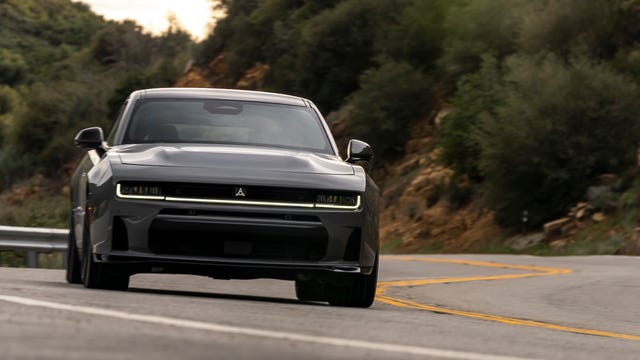
Dodge to Reveal Its Most Powerful Inline-Six Charger at RoadKill Nights 2026
-
Volvo May Launch a New Electric Estate Car in the U.S. by 2028, Says Report

-
2027 Genesis GV60 Magma: Turning Up the Heat on Electric Performance

-
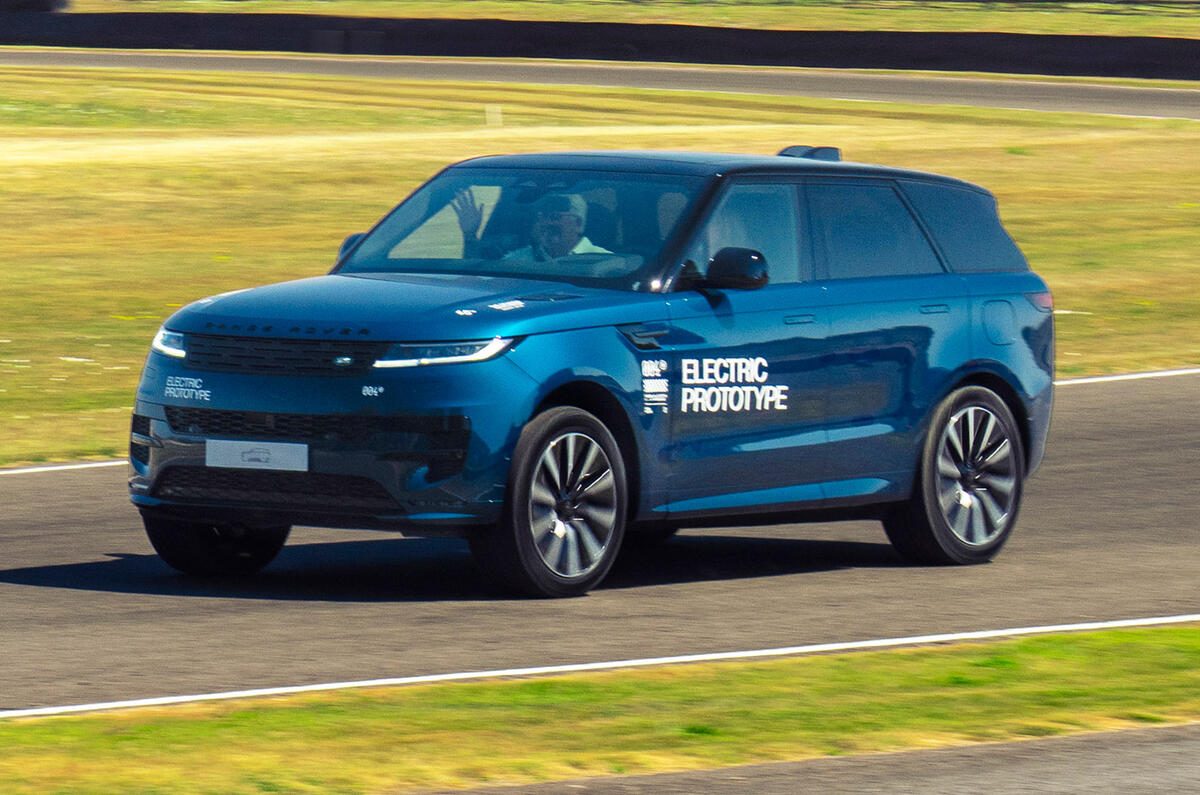
Range Rover Sport Electric: First Drive Review of the Luxury EV SUV
-
Raksha Bandhan Eye Makeup: Get festive glam with these 4 eye makeup looks on Rakshabandhan, everyone will praise