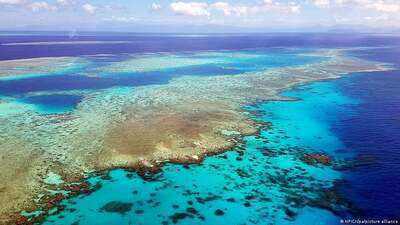
When the world thinks of the threats facing the Great Barrier Reef, the image that often comes to mind is that of ghostly white corals scorched by rising ocean temperatures. But beneath the waves, another danger is quietly spreading — one that Australia can directly tackle.
The world’s largest coral reef system is battling a growing crisis of poor water quality, as sediments, fertilisers and pesticides washed from farms, cities and cleared land make their way into rivers and drift towards fragile marine ecosystems. Carried kilometres offshore, these pollutants can smother coral reefs, choke seagrass meadows and disrupt the delicate balance of life that has flourished for centuries.
Unlike the global challenge of climate change, which demands international action, water pollution is a crisis within Australia’s reach. The issue has repeatedly drawn attention from UNESCO, the United Nations body responsible for safeguarding World Heritage sites. In its latest draft decision — the fourth since 2023 — UNESCO has again placed water quality alongside climate change as one of the reef’s most pressing threats.
The draft decision raises concerns over declining hard coral cover and calls on Australia to report on the impact of recent bleaching events, deteriorating water quality, unsustainable fishing practices and poorly managed coastal development. It also seeks greater scrutiny of the effects of sediment dumping from dredging activities in coastal waters.
In April, federal and Queensland governments unveiled a revised strategy aimed at restoring the reef’s water quality. But critics warn that, like previous plans, the new roadmap risks falling short without clear responsibilities, sufficient funding and measurable action.
Pollution from the land, damage beneath the waves
For years, runoff from land has remained one of the reef’s greatest local threats.
Seagrass meadows — vital underwater nurseries for fish and a key food source for turtles and dugongs — depend on sunlight to survive. Excess sediment blocks that light and settles on plant surfaces, weakening these ecosystems. Coral reefs face a similar struggle, particularly when sediment carries traces of pesticides and other contaminants.
The problem intensifies after storms and cyclones, which stir up ocean floors and spread polluted sediments through marine habitats.
Reducing the damage requires changes both on land and along waterways. Farmers must limit soil erosion and reduce excessive fertiliser and pesticide use, while industries, towns and cities must also address the pollutants flowing from urban areas.
Although some progress has been made in reducing fertiliser overuse, Australia has repeatedly missed its own targets for cutting sediment, pesticide and nutrient pollution entering reef waters.
Tamil Nadu farmers demand equal water release for Bhavanisagar canal systemsA strategy facing difficult questions
The latest water quality plan draws on scientific research, decades of monitoring and recommendations from experts. It outlines measures such as improved land management, restoration of mangroves, wetlands and seagrass habitats, and updated pollution reduction targets.
Yet concerns remain over whether the strategy can deliver meaningful change.
A key challenge is implementation. Previous plans have struggled because of limited funding and weak execution. Analysts estimate that governments have invested less than a quarter of the funds required to meet water quality targets since 2003, while the latest strategy comes without clear cost estimates.
Coordination between government priorities is another hurdle. While land clearing can support agricultural expansion, it can also accelerate erosion and increase sediment flowing into waterways. Between 2018 and 2022, more than 680,000 hectares of land were cleared across the reef’s river catchments, with most linked to livestock grazing.
Concerns also remain over voluntary farming programmes, which have received significant funding despite questions over their effectiveness. Inspections have found that nearly half of sugarcane and banana farms failed to comply with regulations designed to protect the reef.
A fragile future for a natural masterpiece
As climate change intensifies and pollution pressures continue, fears are growing over the long-term survival of the Great Barrier Reef.
The International Union for Conservation of Nature has classified its condition as “critical”, while the Great Barrier Reef Marine Park Authority’s latest outlook report describes its future as extremely concerning, with efforts to improve water quality showing only limited success.
The reef’s fate will depend on whether governments move beyond promises and deliver sustained action — from protecting river catchments and restoring coastal vegetation to improving farming methods, managing stormwater and reducing marine pollution.
Later this month, UNESCO’s World Heritage Committee will examine the latest assessment. The decision will once again place the spotlight on Australia’s responsibility to protect one of Earth’s most extraordinary natural treasures.
For the Great Barrier Reef, the warning signs are clear. The next chapter will depend not on commitments made, but on actions taken.
With The Conversation inputs
-
ICC Announces Biggest ODI, T20 World Cup Format Changes In Years - Check Details

-
Supriya Sule Rejects Delimitation Bill Support, Denies NDA Joining Speculation

-
Yan Diomande reportedly open to multiple offers as Liverpool, PSG, Man City and Man United pursue RB Leipzig star

-
Kylian Mbappe points out France’s key tactical error in ‘sloppy’ World Cup semi-final loss to Spain

-
FIFA World Cup 2026: Assam Extends Guwahati Restaurant Hours Till 3:30 AM For Semifinals & Final