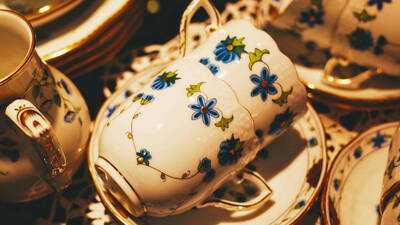
Light, pristine, dainty and visually appealing, Bone China is the dream of every crockery lover. Bone China has long been associated with sophistication, from a delicately painted teacup passed down the generations to an elegant dinner set kept for special occasions or a lavish wedding gift. Its translucent glow, its feather-light weight and its remarkable strength have earned it a place in homes, royal collections and fine-dining restaurants the world over. But beyond its shiny veneer lurks a question that catches many first-time buyers off guard: Is Bone China really made of animal bones? Specifically, is it true that Bone China crockery contains 50 percent animal bones?
And the answer is- yes, but to a certain degree. Traditional Bone China does contain bone ash from animal bones, but the percentage can vary by manufacturer. Many traditional formulations have between 30% and 50% bone ash, but there is no hard-and-fast rule that every Bone China product must have exactly 50%. Here’s all you need to know about one of the planet’s most intriguing ceramic materials.
What is Bone China exactly?
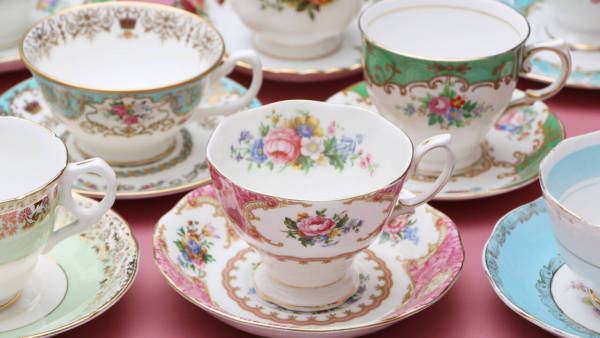
According to experts, Bone China is a type of porcelain that differs from traditional porcelain because it contains bone ash in addition to clay minerals. A traditional Bone China body generally comprises three main ingredients: bone ash, China clay ( Kaolin ), and feldspar.
The main ingredient is bone ash, which is made by heating animal bones to a very high temperature until all organic material has burned off, leaving a white mineral powder that is mostly calcium phosphate.
This bone ash gives Bone China its famous combination of whiteness, translucency and exceptional strength, as stated by the International Ceramics Studio and ceramic manufacturing references.
Is it really made from animal bones?
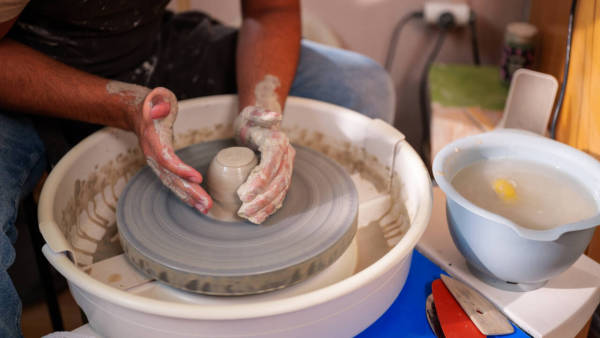
The fact is: Yes. Traditional Bone China contains calcined bone ash, usually derived from cattle bones as a by-product of the meat industry. However, the claim that Bone China always contains 50% animal bones is not true. Traditional recipes generally require 30-50% bone ash by weight. Many premium manufacturers use around 40-45% bone ash in their formulation. The rest is china clay and feldspar. It is also important to understand that bone ash is not raw bone. In production, the bones are cleaned and fired at temperatures often over 1,000°C destroying organic material and leaving only mineral compounds. Then these minerals are ground very fine and mixed into the ceramic.
Why do they use bones at all?
According to legends, bone ash has been around since 18th-century England. Back then, potters wanted a ceramic that was as beautiful as the porcelain imported from China but also more durable. Adding bone ash yielded extraordinary results.
It is said that bone ash helps attain an unprecedentedly white, warm ivory shade, and also provides superior translucency, improved chip resistance and enhanced mechanical strength. This makes Bone China both elegant and practical.
The lesser-known tale of bone china
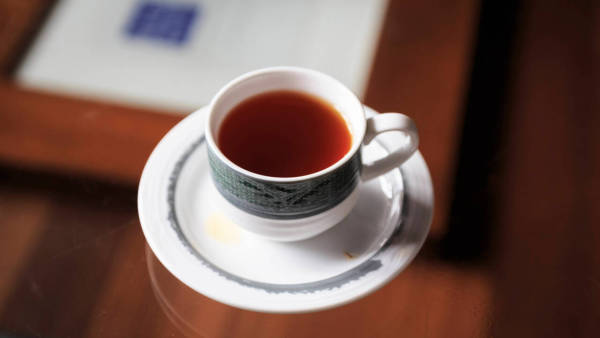
For the uninitiated, bone China was developed in England in the latter part of the 18th century. In the early days, potters experimented with adding calcined animal bone to porcelain recipes and eventually developed a substance that was stronger and more translucent than many other ceramics. By the nineteenth century, Bone China was a hallmark of British craftsmanship. Tableware was supplied to aristocratic households, luxury hotels and royal families by prestigious manufacturers.
Bone China is still made in a number of countries today, although the techniques of manufacture have changed considerably.
Bone China vs Porcelain : What’s the difference?
For the uninitiated, they both belong to the ceramic family but there are obvious differences. Bone China is made from bone ash, usually from calcined cattle bones, mixed with kaolin and feldspar, which gives it a warm ivory colour, excellent translucency and a thin but incredibly strong composition. Traditional porcelain, however, is made without bone ash, using kaolin, feldspar and quartz. It tends to be a cooler, whiter colour and feels a little heavier to the touch. They both are very durable and apt for everyday use, but Bone China is often regarded as more luxurious due to its delicate appearance, improved chip resistance, and classy finish.
Why Bone China feels so light
The answer lies in its microstructure. It is said that during firing the bone ash and the feldspar react together to give the ceramic a dense but light body. Therefore, thinner material can be used without sacrificing strength. That is why, many of the Bone China cups look almost transparent when held to the light.
Religious and ethical considerations
For years, religious groups and vegetarians/vegans have expressed concern about the inclusion of bone ash from animals. Many people who avoid animal products for ethical, cultural or religious reasons may prefer not to use traditional Bone China. In response, several manufacturers are now making:
Vegan China, Fine porcelain, Bone-ash-free ceramics, and even New-generation synthetic Bone China. These substitutes attempt to replicate Bone China's appearance without animal products.
Is it safe to eat on bone china?
According to experts, it is certainly safe to eat on bone china. After firing the bone ash is incorporated into a stable ceramic matrix. Food safety experts say that properly made Bone China is safe for serving food and drinks. The raw ingredients are then fired into an inert ceramic. As with any tableware, the manufacturing standards and glazes matter more than the presence of bone ash. Consumers should select products that meet recognised food-contact safety regulations.
Why Bone China is still a luxury material
Despite the advances in ceramic technology, Bone China remains the premium end of the market. Its attraction stems from several factors, including quality workmanship, several firing stages, high-quality raw materials, unique translucency, and last but not least, fine decoration. Luxury brands still prefer Bone China for its combination of beauty and durability for tea sets, dinnerware and collectibles.
Myths and facts about Bone China
Myth: Bone China always has exactly 50% animal bones.
Fact: Traditional formulas typically contain 30-50% bone ash. Many manufacturers use approximately 40-45%.
Myth: Bone China has pieces of bone in it.
Fact: It contains bone ash— a purified mineral made by heating bones to high temperatures.
Myth: Bone China is fragile.
Fact: It may appear delicate but it is often stronger and more chip-resistant than many traditional porcelains.
Myth: All fine china is Bone China.
Fact: Fine china, porcelain and Bone China are different ceramic types with different compositions.
Is Bone China worth buying?
Well, it is very subjective and it all depends on what you want. If you are someone who appreciates elegance, durability and timeless craftsmanship Bone China remains one of the finest choices available. And if you are vegetarian, vegan or have a faith-based lifestyle that precludes animal-derived materials, you may prefer modern bone-free porcelain or vegan ceramic alternatives, as many of them closely resemble traditional Bone China in appearance. So, whether you love it for its craftsmanship, or choose the modern, bone-free alternatives, one thing’s for sure: the story of Bone China is as interesting as the delicate cups and plates that have graced dining tables across the globe for generations.
Images Courtesy: istock
-
Dombivli doctors' assault: Shinde Sena corporator gets bail

-
Kerala Tragedy: 3-Year-Old Boy Dies After Choking on Peanut in Malappuram
-
Revenue Inspector Caught Taking Rs 25K Bribe By Odisha Vigilance

-
Final Report on Ayodhya Temple Donation Investigation Expected Soon

-
Supreme Court Questions Implementation of NEP 2020's Three-Language Policy