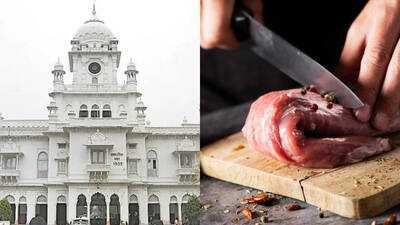
When it comes to non-vegetarian food, hygiene and cleanliness call for extra care,as they are more likely than most plant-based foods to harbor harmful bacteria, viruses, and parasites if they are not handled, stored, or cooked properly. It is proven time and again that raw animal products can naturally contain microorganisms like Salmonella, Campylobacter, Escherichia coli (E. coli), and Listeria, which can cause foodborne illnesses ranging from mild stomach upset to severe infections. Keeping this in view, King George's Medical University (KGMU) in Lucknow has banned the cooking and serving of non-vegetarian food in all hostel messes and canteens with immediate effect. Scroll down to read the details.
Why did KGMU ban non-veg food
According to reports, the university has banned the cooking and serving of non-vegetarian food in all hostel messes and canteens with immediate effect following Uttar Pradesh Governor Anandiben Patel's recent inspection of the campus. The university administration has said that students will still be allowed to order non-vegetarian food from outside or cook it themselves.
The report states that the decision was taken after Patel, who is also the Chancellor of universities in Uttar Pradesh, expressed concern over hygiene standards at facilities where non-vegetarian food was being prepared. The order banning non-vegetarian food in hostel messes was issued with the approval of the Dean of Student Welfare and the Chief Proctor, the report mentions.
What did Governor say
Speaking at KGMU's convocation ceremony, the Governor said non-vegetarian food was being cooked in three hostels during her inspection. However, she clarified that she had not directed the university to impose a ban on non-vegetarian food.
Instead, Patel, who also served as the Gujarat CM between 2014 and 2016, highlighted serious lapses in food safety, saying expired spices were found being used in two hostel messes catering to more than 500 students. She termed the use of expired ingredients serious negligence and directed the university administration to improve food quality and strengthen monitoring of hostel messes.
She also instructed the administration to ensure better-quality paneer is served to students. According to university officials, corrective measures to address the deficiencies identified during the inspection have already been initiated.
5 important measures to maintain hygiene while handling non-veg food
Wash your hands thoroughly: According to experts, one should always wash hands with soap and water for at least 20 seconds before and after handling raw meat, poultry, seafood, or eggs. This helps prevent the spread of harmful bacteria to other foods, utensils, and kitchen surfaces.
Prevent cross-contamination: Also keep raw meat, poultry, seafood and eggs separate from fruits, vegetables, cooked foods and ready-to-eat items. FSSAI also recommends using different coloured cutting boards and knives for raw and cooked meat to prevent the transfer of harmful microorganisms.
Store food at a safe temperature: FSSAI recommends that raw non-vegetarian foods should be stored in the refrigerator at 4°C (40°F) or below and in the freezer if not used within a few days. In addition, you should not leave perishable foods at room temperature for more than two hours (or one hour in very hot weather) as bacteria multiply rapidly in the “danger zone” between 4°C and 60°C.
Cook food thoroughly: Use a food thermometer, when possible, to make sure meat, poultry, seafood and egg dishes reach safe internal temperatures. Cooking meat completely kills most of the harmful bacteria, viruses and parasites that may be present in raw animal products.
Clean and sanitize kitchen surfaces: Wash countertops, cutting boards, knives and utensils with hot, soapy water after the non-veg food is cooked and it is important to clean and sanitize the kitchen surfaces. It’s also important to regularly sanitize kitchen surfaces you touch and use clean dishcloths or paper towels to prevent bacterial contamination.
-
Dombivli doctors' assault: Shinde Sena corporator gets bail

-
Kerala Tragedy: 3-Year-Old Boy Dies After Choking on Peanut in Malappuram
-
Revenue Inspector Caught Taking Rs 25K Bribe By Odisha Vigilance

-
Final Report on Ayodhya Temple Donation Investigation Expected Soon

-
Supreme Court Questions Implementation of NEP 2020's Three-Language Policy