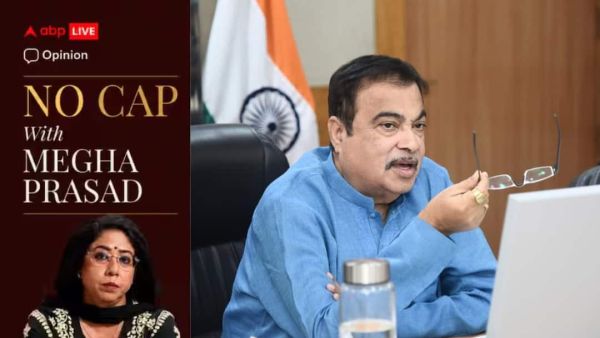
The nationwide debate over E20 petrol has intensified as more vehicle owners raise questions about mileage, engine performance and fuel compatibility. In an exclusive interview with ABP News Political Editor Megha Prasad, Union Road Transport and Highways Minister Nitin Gadkari addressed many of these concerns in a detailed 30-minute discussion focused on ethanol blending and E20 fuel.
The conversation centred on some of the most common questions consumers have been asking whether E20 reduces mileage, whether it can affect older vehicles, who is responsible if a vehicle develops a fault, why the rollout was accelerated and why petrol prices have not fallen despite ethanol blending.
Among the issues raised: Does E20 lower fuel mileage? Could it cause damage to older vehicles? Who bears responsibility if a car develops an issue after using it? What prompted the government to speed up the E20 rollout? If blending ethanol is meant to cut costs, why hasn't petrol gotten cheaper? What should be made of the ARAI report circulating on social media? And, most practically, where should a consumer turn if they suspect E20 has harmed their vehicle? Here are the biggest takeaways from the interview.
Responding to concerns over fuel efficiency, Gadkari explained that ethanol has a lower calorific value than petrol, meaning it contains less energy per litre. He acknowledged that this can lead to some difference in mileage under certain driving conditions. However, he stressed that fuel efficiency depends on multiple factors, including whether a vehicle is driven in city traffic or on highways, the vehicle's technology, driving habits and its mechanical condition.
The minister indicated that while concerns over mileage are valid, not every reduction in fuel efficiency should automatically be attributed to E20 fuel without proper technical evaluation.
One of the most practical parts of the discussion focused on what consumers should do if they believe E20 has affected their vehicle.
According to Gadkari, the first step should be to visit an authorised dealer, register the complaint officially and have the vehicle inspected technically. Creating a documented record of the issue is essential before any conclusion can be drawn.
He also said complaints registered through the proper process can be brought before the ministry for examination, while vehicles under warranty should be handled under the manufacturer's warranty framework.
During the interview, Gadkari reiterated that the government's push for ethanol blending is driven by three broad objectives: Reducing dependence on imported crude oil, lowering pollution levels and creating new economic opportunities for farmers through increased demand for agricultural produce.
From the government's perspective, ethanol blending is part of India's long-term energy security strategy rather than simply a change in the composition of fuel sold at petrol pumps.
Gadkari also clarified that not every question related to ethanol falls within the jurisdiction of the Ministry of Road Transport and Highways.
Issues relating to vehicle standards, engine compatibility and technical specifications come under his ministry's domain. However, questions such as why petrol prices have not declined despite increased ethanol blending involve the Petroleum Ministry, oil marketing companies and other stakeholders.
Another key issue raised during the interview was public awareness.
While government notifications and media coverage accompanied the rollout of E20 fuel, many consumers continue to seek clarity about vehicle compatibility, repair costs and warranty implications.
The interview suggested that better communication could help bridge the information gap as E20 becomes increasingly common across the country.
What Vehicle Owners Should Remember
The discussion concluded with several practical points for motorists:
Ethanol's lower calorific value means mileage can vary under certain conditions. Vehicle problems should not automatically be blamed on E20 without proper diagnosis. Consumers who suspect an issue should register an official complaint with an authorised dealer and obtain a technical inspection. Vehicle owners should verify their model's E20 compatibility, check manufacturer guidelines and understand applicable warranty conditions before drawing conclusions.
Rather than offering a verdict for or against ethanol blending, the interview focused on answering questions that many consumers have been raising. As E20 fuel becomes part of daily life for millions of motorists, the conversation is likely to shift from speculation to documented complaints, technical assessments and manufacturer responses.
-
UPSSSC Opens Applications for Auditor and Assistant Accountant Positions

-
Exclusive: D2C Grocery Startup Anmasa Bags ₹30 Cr To Expand Into New Markets

-
Law student arrested for verbally abusing CJI Surya Kant, throwing papers in courtroom

-
IND vs ENG 1st ODI: Axar Patel, Shubman Gill Star as India Beat England by 6 Wickets

-
Gullak Vastu Tips: Troubled by a lack of money? Keep your piggy bank in this direction at home..