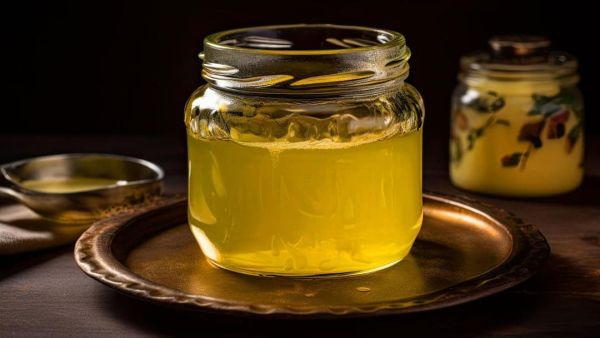
For ages, Indian diets have included ghee, which is valued for its flavour, adaptability and use in traditional cookery. Despite shifting eating habits, it is still a mainstay in family kitchens and is rich in fat-soluble vitamins. However, a recent survey indicates that there may be a decline in customer trust in one of India's most reliable food products. The results show that most urban customers are unsure about the purity of the ghee they buy, which raises new questions regarding food adulteration and the necessity of increased openness throughout the dairy supply chain.
Why Food Purity Matters
According to the survey, which collected responses from more than 91,000 consumers across 293 districts, only 38 per cent said they had complete confidence in the purity of the ghee they purchased. Nearly six in ten urban consumers expressed concerns about the authenticity of the ghee reaching their homes, with 41 per cent saying they were only somewhat confident and 19 per cent stating they were not confident at all.
The Food Safety and Standards Authority of India (FSSAI) states that before being sold to customers, authentic ghee must be made entirely of milk fat and adhere to stringent quality criteria. In order to lower production costs, adulteration may entail using less expensive vegetable oils, vanaspati or other fats, which could have an impact on both nutritional content and quality.
Food safety experts caution that consuming low-quality fats over extended periods of time may contribute to worse nutritional quality and increase exposure to undesirable substances that consumers never intended to eat, even if not all contaminated products cause immediate sickness.
Consumers Are Becoming More Selective
According to the poll, consumers are altering their ghee shopping habits. Many respondents stated that before making a purchase, they now pay more attention to FSSAI license, ingredient details, packaging and brand reputation. A growing preference for traceable food goods is reflected in the fact that branded products continue to inspire greater confidence than loose or unpackaged types. Experts believe this shift is encouraging because informed purchasing decisions are becoming an important part of food safety.
Looking Beyond Traditional Home Tests
Many homes still use antiquated techniques to assess the quality of ghee by looking at its texture, aroma or solidification process. Food specialists warn that adulteration cannot be accurately detected by home tests. The most reliable method for determining if a product satisfies regulatory requirements is still laboratory analysis.
As a result, customers are advised to buy from authorised merchants, thoroughly inspect packaging and steer clear of goods offered at prices that seem abnormally cheap in relation to the market average.
Balancing Tradition With Food Safety
When consumed in moderation, ghee can contribute to a balanced diet, according to nutrition experts, including those from the ICMR-National Institute of Nutrition (NIN). It offers energy and includes fat-soluble vitamins, but like all fats, it should be consumed within suggested dietary bounds.
The latest survey focuses more on boosting trust in the food supply than it does on reducing ghee usage. Improving product traceability, upholding food safety regulations, and promoting educated consumer choices, according to experts, will be crucial to safeguarding public health and confidence in one of India's most beloved culinary items as awareness rises.
-
[Watch] KL Rahul pulls off sensational one-handed catch to dismiss Will Jacks in 1st ODI vs England

-
Over 1,050 kids join RAK's summer etiquette camp teaching Emirati traditions

-
Dramatic Turn in Bankipur By-Election as Candidate's Nomination Rejected

-
Uttarakhand CM Pushkar Singh Dhami Inaugurates Shri Dhanvantari Dham Herbal World Himalaya, A New Global Hub For Ayurveda And Biodiversity

-
Australia Establishes Office of AI to Regulate Artificial Intelligence Development