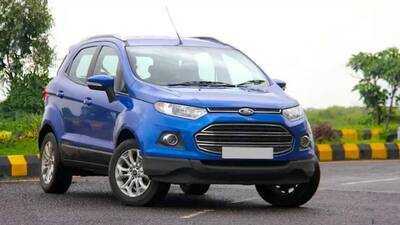
When a popular automaker exits a market, one of the first questions buyers begin asking is whether it still makes sense to consider one of its used models. A compact SUV that had built a strong reputation over the years suddenly faces uncertainty the moment production stops. Searches around reliability and known problems increase, not because the car has suddenly changed, but because buyers want reassurance about long-term ownership. This reaction is common whenever a well-known model is discontinued. The vehicle itself remains the same, but perception shifts, and that shift can influence buying decisions more than mechanical reality.
Evaluating a discontinued car in the used market is therefore less about panic and more about understanding context. Production may stop for strategic or regulatory reasons, yet the car continues to exist on roads, in service centres, and in the hands of owners who rely on it daily. The key is knowing how to separate genuine ownership concerns from temporary market hesitation.
When a model is discontinued, buyers immediately worry about spare parts, resale value, and service support. If the brand exits the country entirely, that concern grows stronger. However, discontinuation does not always signal a flaw in the car itself. It may simply reflect shifting corporate priorities, compliance challenges, or global restructuring.
In the case of the, its discontinuation was tied to broader business decisions rather than widespread reliability failures. Yet once a car leaves showroom floors, buyers naturally question its future support. Understanding the of discontinuation helps bring clarity to the situation and prevents overreaction.
Why discontinuation creates doubt
When a model is discontinued, buyers immediately worry about spare parts, resale value, and service support. If the brand exits the country entirely, that concern grows stronger. However, discontinuation does not always signal a flaw in the car itself. It may simply reflect shifting corporate priorities, compliance challenges, or global restructuring.
In the case of the EcoSport , its discontinuation was tied to broader business decisions rather than widespread reliability failures. Yet once a car leaves showroom floors, buyers naturally question its future support. Understanding the reason behind discontinuation helps bring clarity to the situation and prevents overreaction.
Service network and parts availability
One of the most practical aspects to evaluate is service accessibility. A discontinued car remains a viable option if parts and trained mechanics are still available. Popular models that were sold in large numbers tend to benefit from strong aftermarket ecosystems, as workshops become familiar with their mechanical layout and suppliers continue stocking high-demand components.
The EcoSport, for instance, was widely sold and shared components with other Ford models, which supports parts circulation even after production has stopped. Routine service items such as filters, brake components, and suspension parts generally remain easy to source. The real focus should be on availability of specialised electronics or body panels, which may require slightly more effort to procure.
Before buying any discontinued model, it is worth checking whether parts are readily available in your city and whether experienced mechanics are comfortable working on the car.
Separate perception from actual problems
When production stops, online discussions often shift toward worst-case scenarios. Buyers researching Ford EcoSport problems may come across forums highlighting specific issues. The key is distinguishing between common wear-and-tear items and systemic faults.
Every car model has known weak points. What matters is whether those issues are manageable and affordable to fix. A discontinued badge does not automatically magnify mechanical weaknesses, but it can magnify public concern. Test drives and inspection reports provide more clarity than internet speculation.
Depreciation can work in your favour
One of the biggest advantages of discontinued cars is accelerated depreciation. When confidence dips, prices often soften more quickly.
For buyers in the used market, this can translate into strong value. A discontinued compact SUV like the EcoSport may offer solid build quality, good driving dynamics, and practical features at a lower price compared to currently available competitors. If you plan to keep the vehicle for several years, the initial drop in resale value becomes less relevant. The focus shifts to reliability and ownership cost rather than brand perception.
Evaluate the car, not just the brand status
When assessing a discontinued model, the condition of the specific car matters more than the status of the manufacturer. Service history, accident records, mileage consistency, and ownership pattern are far more important indicators of long-term reliability. A well-maintained EcoSport with documented servicing can offer greater peace of mind than a poorly maintained car from an active brand. Inspection should include suspension noise, clutch condition, gearbox smoothness, electrical functionality, and cooling system performance. These checks matter more than headlines about discontinuation.
Long-term ownership considerations
Buying a discontinued model requires slightly more awareness, but not necessarily more risk. It is wise to budget realistically for maintenance and understand that certain parts may require sourcing time. However, many discontinued vehicles continue operating reliably for years because engineering durability does not vanish when production ends.
Insurance coverage typically remains available for widely sold models, and resale demand often stabilises once the initial uncertainty fades. As the market adjusts, the model finds its equilibrium based on condition and demand rather than fear.
Final thoughts
The story of the EcoSport in India shows how quickly perception can shift after a brand exit. Yet thousands of these cars continue to run reliably on Indian roads.
Buying a discontinued car is not about ignoring risk. It is about evaluating the right variables. Researching known issues, verifying service support, inspecting the vehicle thoroughly, and understanding depreciation trends allow buyers to move beyond fear.
In the used market, value often lies where uncertainty once existed. A discontinued model, when chosen carefully, can still deliver dependable ownership long after it leaves the showroom.
-
Midfield makeover: English clubs splash record sums on central talent

-
Why Manchester United Are Confident About Signing Aston Villa Midfielder Youri Tielemans

-
How many finals have England reached in their football history?

-
Explained: The reasons behind Andrey Santos leaving Chelsea for a £50m switch to Manchester United

-
Celebrating 15 Years of Zindagi Na Milegi Dobara: Life Lessons from the Iconic Film