Breakfast in India rarely behaves like a formal meal. It is usually rushed, noisy, and familiar. Someone wants idli with extra sambar. Someone asks for a dosa parcel because the cab has arrived. Someone else just wants strong filter coffee and silence for five minutes. That is why traditional breakfast has never really needed to chase attention. It belongs to the everyday. The larger food market is growing fast, but the more interesting story is not just how often people are eating out. It is what they keep returning to. Kearney and Swiggy estimate India’s food services market could touch nearly ₹11.9 lakh crore by 2030, while Mordor Intelligence places the QSR market at around ₹2.89 lakh crore in 2026. Still, at the counter, the question remains very simple: what will people happily eat again tomorrow morning?
For many Indians, the answer is coming back to familiar food. Sri Harsha, Founder of Madhuram Tiffins shares why the lure of simple, comfort food is making a comeback.
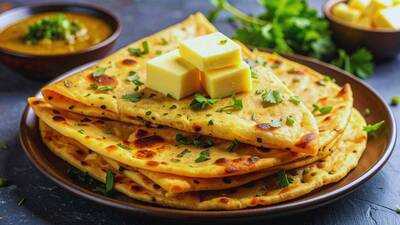
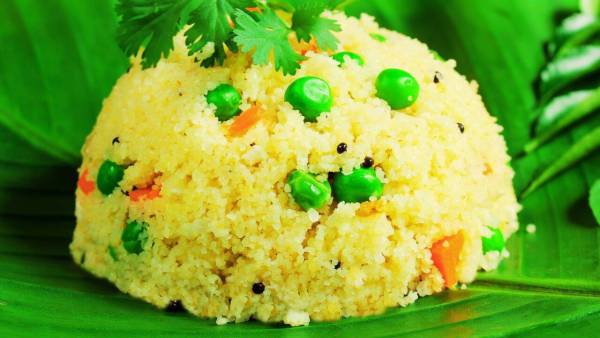
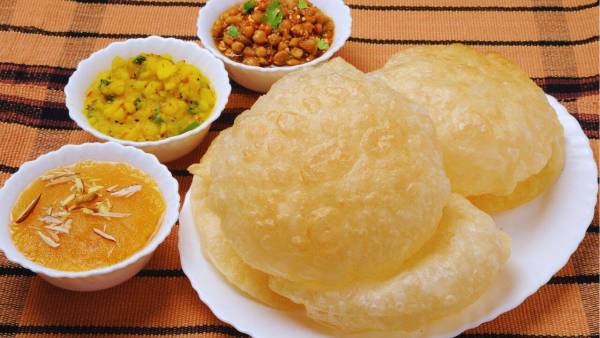
1. The comfort of known food: Not every morning needs a new trend. Some mornings just need something that feels right before the day becomes too loud. Traditional breakfasts have that advantage. Idli, dosa, upma, pongal, chilla, paratha, pesarattu, appam, dibba rotti. These are foods people have grown up seeing in homes, hostels, office canteens, railway stations and neighbourhood tiffin shops. That familiarity matters. A plate of idli does not need a pitch. Dosa does not need explaining. People know these foods, and that makes the choice easy.
2. Light, but still satisfying: Many people are more careful about breakfast now. Not always in a strict diet way. More in a practical way. Will this feel heavy? Will it keep me full? Will I feel sleepy after eating? That is where traditional breakfasts work well. Idli is steamed. Dosa is made fresh. Upma, when made properly, is soft, warm and filling. Pesarattu has protein from moong dal. Of course, no food becomes healthy just because it is old. Too much oil, too much ghee, poor ingredients or careless cooking can spoil anything. But when these dishes are made cleanly and served in sensible portions, they give people what breakfast should give: energy without heaviness.
3. Speed without that junk-food feeling: Indian mornings do not leave much room for drama. School buses, office calls, traffic, packed lunches, forgotten chargers, everyone knows the scene. Breakfast has to be quick. But quick food does not always have to feel careless. That is why tiffin food has stayed relevant. Idlis can be served fast. Dosa feels fresh even when the kitchen is busy. A tiffin breakfast can be eaten at home, at work, in a hostel room, or from a parcel box between two meetings. The real strength of these foods is repeat value. People may crave a burger once in a while. Breakfast is different. Breakfast has to earn its place again and again.
4. Regional food has become city food
Food travels with people. Students move for college. Professionals move for work. Families settle in new cities. Slowly, their plates change. A person from North India who moves to Bengaluru may first eat dosa because it is nearby and convenient. A few months later, it became routine. Someone in Delhi may choose poha before office because it feels light and familiar. This is how regional food spreads in India. Not through a big announcement. Through small morning choices. South Indian tiffins, parathas, pongal and other regional staples have crossed state borders because they are useful. Taste brings people in. Habit keeps them there.
5. Taste now needs discipline behind it
A customer may come for taste, but returning depends on consistency. The idli has to be soft every time. The dosa batter cannot behave differently every morning. Chutney must taste fresh. Sambar must have balance. Podi should have flavour, not just heat. People also notice hygiene more than before. A clean counter, proper handling, fresh ingredients and the same taste across visits now matter as much as the dish itself. This is the difficult part of traditional breakfast. Simple food exposes shortcuts quickly. One good plate is not enough. Hundreds of plates, every morning, need recipes, training, sourcing, stock movement, kitchen discipline and quality checks. That may be the real reason traditional breakfast is returning in a stronger form. It is not becoming fashionable by becoming complicated. It is becoming relevant again because it is dependable. A good breakfast does not have to impress people every day. It has to feel right.
-
ICC Announces Biggest ODI, T20 World Cup Format Changes In Years - Check Details

-
Supriya Sule Rejects Delimitation Bill Support, Denies NDA Joining Speculation
-
Yan Diomande reportedly open to multiple offers as Liverpool, PSG, Man City and Man United pursue RB Leipzig star

-
Kylian Mbappe points out France’s key tactical error in ‘sloppy’ World Cup semi-final loss to Spain

-
FIFA World Cup 2026: Assam Extends Guwahati Restaurant Hours Till 3:30 AM For Semifinals & Final