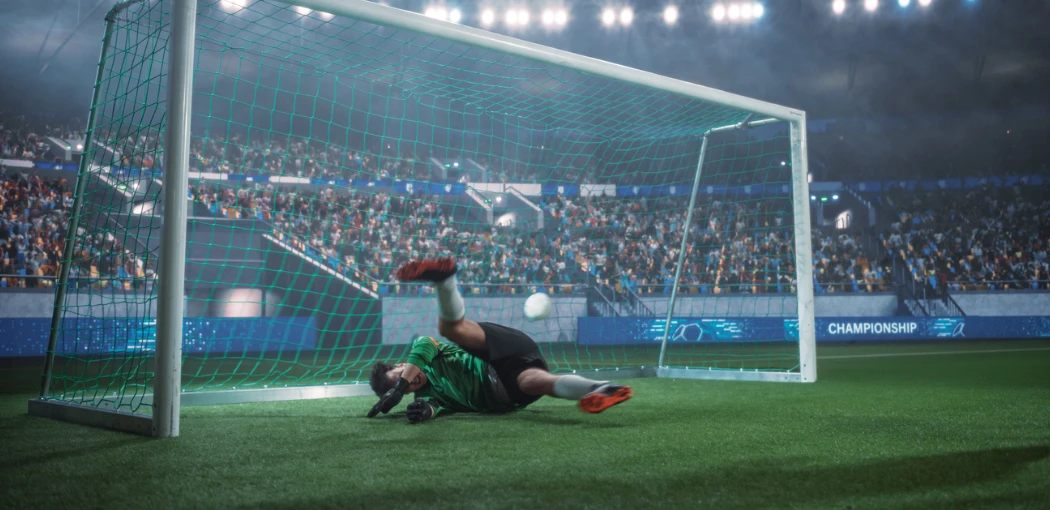
The concept of Messidependencia — the over-reliance on Lionel Messi — was first coined to describe a Barcelona side overflowing with world-class talent. Yet, as Messi enters his 40th year, that dependency has perhaps never been more evident.
As Argentina aim to defend their World Cup 2026 crown, the ongoing debate is no longer about whether Messi is too old, but whether the rest of the team can provide sufficient support. The pressure now rests heavily on the other 10 players — or, given the expanded squad sizes, the other 25.
The quarter-final that was expected to deliver a final showdown between Messi and Cristiano Ronaldo instead features Switzerland. Yet the parallel between the two icons reveals a reversal of fortunes: Portugal’s supporting cast might have been capable of winning the World Cup, but Ronaldo could not lift them. Building around an ageing superstar without compensating for his reduced mobility ultimately proved costly.
For Argentina, however, the troubling data isn’t about Messi’s running distance. To date, he has scored eight of Argentina’s 14 goals, with two others netted before he came on as a substitute in a dead rubber against Jordan.
Messi has also assisted one of the remaining four — Cristian Romero’s header that began the comeback against Egypt. In another instance, he indirectly created the winner versus Cape Verde; initially credited to Romero, it was later ruled a Diney Borges own goal — originating from Messi’s corner.
As that was not officially Romero’s goal, only one other Argentine player has scored more than once in this tournament. “It’s not something that worries us,” manager Lionel Scaloni said last week. “I would prefer the goals to be shared among the team.”
Despite Scaloni’s calm, Messi continues to bear a heavy load in this campaign. Beyond goals and assists lies an intangible — inspiration — something that cannot be measured. Messi led the charge in the fightback against Egypt. Though rested against Jordan, Argentina’s reliance on their veteran captain meant he played 120 minutes against Cape Verde and nearly 100 against Egypt.
All signs point to Messi remaining indispensable. Comparisons with his eternal rival are inevitable. In the 2022 World Cup, Messi had a direct hand in 10 goals — seven scored and three assisted. He could well repeat or surpass that tally in Kansas City against Switzerland in 2026.
Four decades earlier, Diego Maradona came closest to winning a World Cup almost single-handedly, scoring five and assisting five more in 1986. Back then, in a smaller tournament, the likes of Jordan and Algeria were not even present. Yet while Argentina would not have triumphed without Maradona, the rest of the squad proved capable alongside him — with goals in the final coming from Jose Luis Brown, Jorge Valdano, and Jorge Burruchaga, the latter assisted by Maradona himself.
When asked whether this current Argentina side is good enough, the immediate response is that they were in 2022. Continuity has been a hallmark — 16 of the players remain from the previous World Cup, and as many as eight or nine from that starting XI could still feature now.
However, one glaring absence is Angel Di Maria, the other scorer in the 2022 final, whose influence has not been replaced. Argentina’s recent matches have been tight affairs, with penalty shootouts needed against the Netherlands and France in Qatar. This time, though, they have struggled even against less illustrious teams like Cape Verde and Egypt, exposing underlying weaknesses.
Argentina appear slower and more vulnerable physically, often overpowered by opponents. Their narrow shape, designed to revolve around Messi, leaves open spaces on the wings, making them susceptible to counter-attacks.
Individually, there are concerns too. Centre-backs Cristian Romero and Lisandro Martinez have contributed crucial goals in the knockout phase, with the Manchester United defender also providing a brilliant assist against Cape Verde. Defensively, though, both have shown lapses — Martinez, in particular, could have done better on both of Egypt’s goals. On the flanks, Argentina lack world-class full-backs.
For a nation renowned for its conveyor belt of footballing talent, Messi’s brilliance may be masking a relative decline in depth. In terms of silverware, Lionel Scaloni’s side could yet add another World Cup to their back-to-back Copa America triumphs, but beyond Messi, few rank among the world’s elite in their positions.
Julian Alvarez and Lautaro Martinez might come closest, yet neither matches the level of Harry Kane, Erling Haaland, or Kylian Mbappe. The 2006 squad, which featured a teenage Messi, arguably had greater overall quality, as did the 2002 team that exited early.
This current side has enjoyed more success — powered largely by Messi’s genius. However, with each passing match, his share of responsibility only grows heavier. For Argentina to retain their title, the supporting cast must step up and share the workload. Perhaps, given his recent penalty struggles, they could begin by relieving him of spot-kick duties.
-
Manchester United Hold Éderson’s Transfer as Detailed Medical Evaluation Continues

-
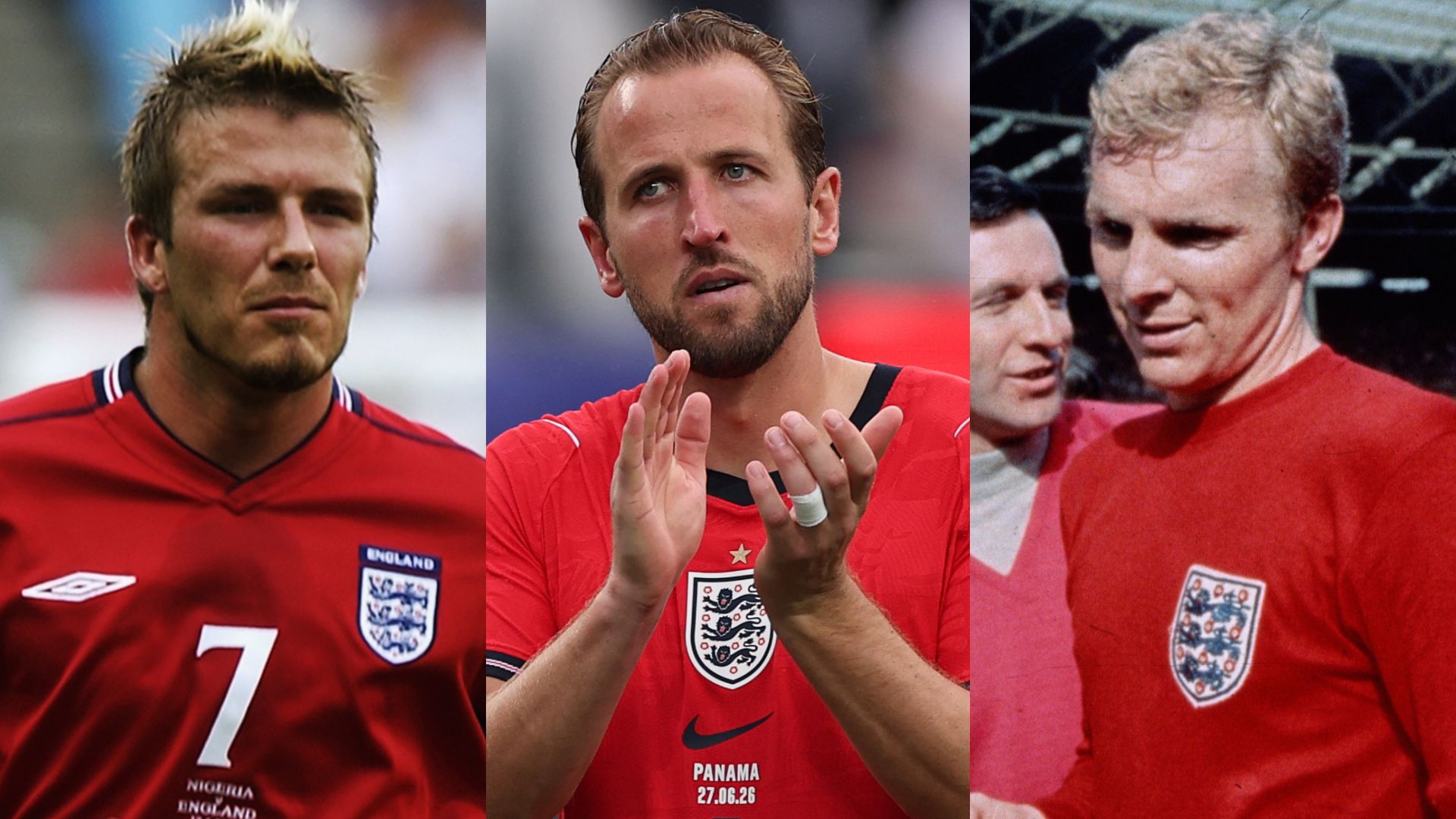
‘Recency bias’ shapes Harry Kane and England’s GOAT debate as ex-Three Lions striker places record scorer among the greats rather than at the summit
-
Hair dryer can become the enemy of hair in monsoon! Know the right way to dry wet hair

-
Styling tips for transparent outfits in rainy season
-
Is the government going to fall in Bihar? Tej Pratap Yadav’s big claim, said this big thing at NDA meeting