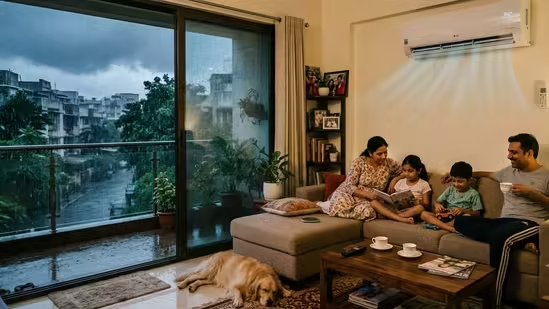
The arrival of the monsoon brings welcome relief from the summer heat, but it also means many people spend long hours indoors with the air conditioner running. While ACs help reduce humidity and keep indoor spaces comfortable, excessive use—especially without proper maintenance—can contribute to several health problems.
Experts say that using an air conditioner correctly is just as important as using one regularly. Poorly maintained units, extremely low temperatures, and inadequate ventilation can affect your respiratory health, skin, and overall well-being.
Common Health Problems Linked to Prolonged AC Use
1. Increased Risk of Respiratory Infections
Cold, dry air can irritate the nose and throat, making them more vulnerable to viral infections. If AC filters are dirty, they may circulate dust, mould spores, and bacteria throughout the room, increasing the risk of illness.
2. Allergies May Get Worse
Air conditioner filters can collect:
- Dust
- Pollen
- Dust mites
- Mould spores
If not cleaned regularly, these allergens are recirculated indoors and may trigger:
- Sneezing
- Runny or blocked nose
- Itchy eyes
- Persistent coughing
3. Asthma and COPD Flare-Ups
Very cold air can trigger breathing difficulties in people with asthma or chronic obstructive pulmonary disease (COPD), leading to:
- Wheezing
- Breathlessness
- Chest tightness
- Persistent cough
4. Dry Eyes and Skin
Air conditioners reduce indoor humidity, which can cause:
- Dry eyes
- Irritated skin
- Chapped lips
- Dry nasal passages
People who wear contact lenses may notice these symptoms more frequently.
5. Sinus Congestion
Cold, dry air may irritate the nasal passages. If the AC isn’t maintained properly, mould growth can further aggravate sinus problems and nasal congestion.
6. Muscle and Joint Stiffness
Sitting in a cold room for extended periods may lead to:
- Muscle stiffness
- Neck pain
- Joint discomfort
This can be especially troublesome for people with arthritis or existing musculoskeletal conditions.
7. Headaches and Fatigue
Poor ventilation and prolonged exposure to air-conditioned environments may contribute to headaches, tiredness, and difficulty concentrating.
How to Use Your AC Safely During the Monsoon
Keep the Temperature Comfortable
Experts recommend maintaining your AC between 24°C and 26°C.
This temperature is comfortable while reducing the risk of throat irritation and sudden temperature changes.
Clean the Filters Regularly
Dirty filters reduce air quality.
Follow the manufacturer’s maintenance schedule and clean or replace filters regularly to prevent the buildup of dust, mould, and allergens.
Improve Ventilation
Don’t keep your room sealed all day.
Open windows periodically to allow fresh air to circulate and improve indoor air quality.
Stay Hydrated
Air-conditioned environments can cause mild dehydration.
Drink plenty of water throughout the day to help prevent:
- Dry throat
- Dry skin
- Dry eyes
- Fatigue
Avoid Direct Cold Air
Do not let cold air blow directly onto your face or body for prolonged periods, particularly while sleeping.
Who Should Be Extra Careful?
Extra precautions are recommended for:
- Children
- Older adults
- People with asthma
- Individuals with COPD
- Allergy sufferers
- People with sinus problems
Final Thoughts
Air conditioners can make the monsoon season far more comfortable by reducing humidity and improving indoor conditions. However, prolonged use without proper maintenance or sensible temperature settings may increase the risk of respiratory irritation, allergies, dry skin, headaches, and muscle stiffness. Keeping the AC at 24–26°C, cleaning filters regularly, ensuring good ventilation, and staying hydrated can help you enjoy the benefits of air conditioning while protecting your health.
Disclaimer: This article is for informational purposes only and should not be considered medical advice. If you experience persistent respiratory symptoms or other health concerns, consult a qualified healthcare professional.
-
Enhanced Security Measures for Jagannath Rath Yatra Amid Heavy Rain Alerts

-
Exclusive: AI Sales Intelligence Startup Reo.Dev Raises $11.3 Mn To Expand In US

-
Dehydration Warning Signs: 8 Symptoms That May Indicate Your Body Needs More Water

-
Northeast Frontier Railway Announces 6,777 Apprentice Vacancies for ITI Graduates

-
Defending champion Argentina reaches World Cup final by beating England 2-1