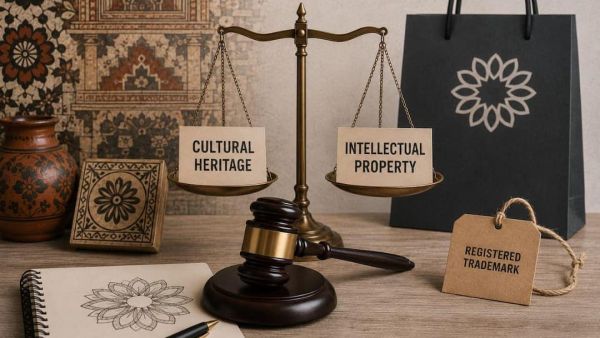
A trademark dispute between Chinese tea chain Molly Tea and French luxury fashion house Louis Vuitton has reignited debate over where the line should be drawn between brand protection and cultural heritage. The dispute revolves around Molly Tea's stylised four-petal floral logo, which Louis Vuitton claimed closely resembled one of its registered flower trademarks. The Suzhou Intermediate People's Court concurred, finding that Molly Tea's design was likely to confuse people with the famous Louis Vuitton mark.
The quickly growing beverage chain was ordered by the court to cease using the contested emblem, apologise publicly and pay 10.3 million yuan (about Rs 14 crore) in penalties. Since then, Molly Tea has declared that it will challenge the ruling.
Case That Quickly Moved Beyond Trademark Law
Despite the lawsuit's focus on intellectual property rights, the Chinese public's response has been far broader. The case's central floral motif is reminiscent of ornamental motifs that have been present in Chinese art, architecture and textiles for ages, according to numerous historians and cultural observers.
The decision has sparked an online discussion on whether traditional cultural symbols should stay in the public domain or, after being registered as a trademark, they can be strongly linked to a commercial brand. The debate regarding the connection between cultural legacy and contemporary intellectual property protection has spread far beyond legal circles, attracting remarks from scholars, designers and social media users.
Why The Court Ruled In Louis Vuitton's Favour
Legal experts point out that the ruling concerned whether Molly Tea's design was likely to confuse customers due to its resemblance to Louis Vuitton's protected trademarks rather than who originally devised the flower pattern.
If there is a chance that customers will confuse one company with another, previously registered and well-known trademarks may be given more legal protection under China's trademark system even across industries. The court determined that Louis Vuitton's trademark rights went beyond luxury fashion into other commercial situations where misunderstanding can occur because the brand's monogram is widely recognised.
Can Traditional Designs Be Owned?
The case has also brought attention to an increasingly pressing issue in international intellectual property law. Folk art, traditional themes and ancient decorative patterns typically belong to the public cultural domain rather than to specific artists. However, when businesses integrate these components into unique commercial identities and obtain trademark registration, the trademark becomes a brand identifier, rather than the underlying historical design itself.
According to experts in intellectual property, this distinction is frequently misinterpreted. Businesses can safeguard how a specific design serves as a recognised commercial mark, even though they cannot claim ownership of an entire artistic history.
Balancing Brand Protection And Cultural Heritage
Conflicts over traditional artistic components are becoming more frequent as global corporations take inspiration from a wider range of cultures, because their trademarks and visual identities represent years of brand familiarity and commercial worth. Luxury corporations make significant investments in their protection. However, local companies and cultural specialists contend that rather than being linked to a single company, historic motifs ought to stay a part of the common cultural legacy.
The Molly Tea case serves as a reminder of the fine line that judges must draw between promoting creativity, protecting intellectual property and honouring cultural customs.
The case has already demonstrated that trademark conflicts today go beyond commercial rights to more general issues of history, identity and the ownership of cultural symbols, even though the company's appeal may decide the next legal chapter.
-
Jordan Henderson Shares Hospital Update Following Unusual Injury During England’s World Cup Campaign
-
Hyderabad: Extramarital affair couple drinks poison on train

-
Police arrest habitual phone, bike thief in Rajendranagar

-
Canada invites Telangana CM to visit for trade, investment ties
-
Rahul Gandhi Alleges UGC-NET Paper Leak, Claims Sociology Exam Was Sold