How to grow indoor plants without direct sunlight: Easy tips to keep your houseplants healthy
ETimes | July 5, 2026 6:39 PM CST
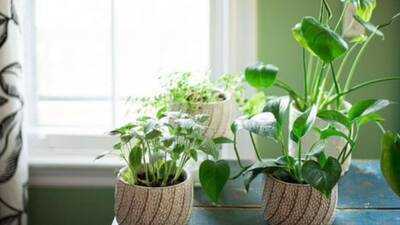
The presence of plants indoors can make your life better by beautifying the space, improving the air quality, and providing you with a serene environment. Even though many plants require adequate sunlight for their survival, there are many common indoor plants which can survive with minimal or even no sunlight at all.
As per the Royal Horticultural Society and the University of Minnesota Extension, most indoor plants are found growing under the canopies of forests, and thus are capable of surviving in low-light environments. However, low light does not imply no light.
Among the best indoor plants that will thrive in low-light conditions are:
* Snake plant
* ZZ plant
* Peace lily
* Pothos
* Chinese evergreen
* Cast iron plant
This type of plants is capable of surviving on lower lighting compared to sun-loving plants, but the growth rate of the former will be slower indoors.
Put your plants in indirect lighting area
Do not put your plants under the direct sun but rather choose an area where the filtered sunlight will reach them. You can use north or east-facing windows for that matter. If there are no windows available, you should provide 10-14 hours of LED grow light per day.
Don't over-water
Probably one of the most common mistakes people make when caring for low-light plants is to over-water them. As such plants grow slowly, their need for water decreases accordingly.
Before watering your plant, always verify whether the top 1-2 inches of soil are dry. Moreover, it is advisable to choose pots that have drainages holes so that extra water could easily escape. This reduces the chance of developing root rot.
Select appropriate potting soil
It is important to use good quality potting soil that is suitable for indoor plants. The soil should be loose enough to ensure that roots get sufficient oxygen and water doesn't remain in the soil for too long. It is recommended to repot the plant once every few years or when it gets root-bound.
Maintain appropriate temperature and humidity
Typically, houseplants feel comfortable in temperatures from 18° to 27° C. Try not to put them near air conditioners or heaters or drafty windows because any abrupt temperature change can hurt the plant.
Fertilise your plants periodically
Plants grown indoors do not need regular fertilisation. You should apply balanced liquid fertiliser to your plants once every four-six weeks when you see that they are growing (usually in spring and summer). Do not fertilise them when it is winter, since the growth period is naturally over.
Identify the problem by symptoms
If you notice that leaves turn yellow, then this is the case of over-watering. The brown and crispy leaf edges may indicate either underwatering or excessively dry air. If your plants start growing leggy and lean towards the window, this means that they lack light.
Is it possible for plants to live without any sunlight?
While some plants may not survive in total darkness, since they need light for photosynthesis, many indoor plants do not really need sunlight to live.
As per the Royal Horticultural Society and the University of Minnesota Extension, most indoor plants are found growing under the canopies of forests, and thus are capable of surviving in low-light environments. However, low light does not imply no light.
Among the best indoor plants that will thrive in low-light conditions are:
* Snake plant
* ZZ plant
* Peace lily
* Pothos
* Chinese evergreen
* Cast iron plant
This type of plants is capable of surviving on lower lighting compared to sun-loving plants, but the growth rate of the former will be slower indoors.
Put your plants in indirect lighting area
Do not put your plants under the direct sun but rather choose an area where the filtered sunlight will reach them. You can use north or east-facing windows for that matter. If there are no windows available, you should provide 10-14 hours of LED grow light per day.
Don't over-water
Probably one of the most common mistakes people make when caring for low-light plants is to over-water them. As such plants grow slowly, their need for water decreases accordingly.
Before watering your plant, always verify whether the top 1-2 inches of soil are dry. Moreover, it is advisable to choose pots that have drainages holes so that extra water could easily escape. This reduces the chance of developing root rot.
Select appropriate potting soil
It is important to use good quality potting soil that is suitable for indoor plants. The soil should be loose enough to ensure that roots get sufficient oxygen and water doesn't remain in the soil for too long. It is recommended to repot the plant once every few years or when it gets root-bound.
Maintain appropriate temperature and humidity
Typically, houseplants feel comfortable in temperatures from 18° to 27° C. Try not to put them near air conditioners or heaters or drafty windows because any abrupt temperature change can hurt the plant.
Fertilise your plants periodically
Plants grown indoors do not need regular fertilisation. You should apply balanced liquid fertiliser to your plants once every four-six weeks when you see that they are growing (usually in spring and summer). Do not fertilise them when it is winter, since the growth period is naturally over.
Identify the problem by symptoms
If you notice that leaves turn yellow, then this is the case of over-watering. The brown and crispy leaf edges may indicate either underwatering or excessively dry air. If your plants start growing leggy and lean towards the window, this means that they lack light.
Is it possible for plants to live without any sunlight?
While some plants may not survive in total darkness, since they need light for photosynthesis, many indoor plants do not really need sunlight to live.
READ NEXT
-
Ram Temple Trust To Hold Meet Amid Donation Row; Champat Rai Resignations In Focus

-
7 Fishermen Missing Off Visakhapatnam Coast; Navy, Coast Guard Launch Massive Search

-
6 Dead In Mankhurd House Collapse Amid Heavy Downpour; More Casualties Feared

-
Ashley Cole Reflects on His Euro 2012 Penalty Miss and the Pain That Followed Weeks After Champions League Glory

-
Carlo Ancelotti’s Mission: Ending Brazil’s 23-Year Struggle Against Europe at the World Cup