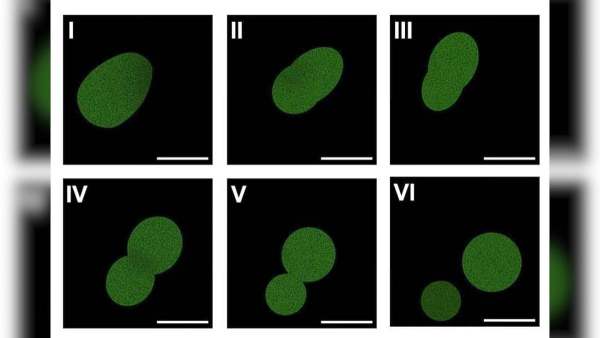
Scientists at the University of Minnesota have created synthetic cells that mimic essential behaviours of living cells, including growth and replication. The SpudCell project demonstrates that core life processes can be engineered chemically, opening possibilities for future applications in medicine, industry and environmental cleanup.
Researchers at the University of Minnesota announced a major breakthrough in biological engineering, claiming to have created the world’s first synthetic cells capable of feeding, growing and replicating in a manner similar to natural living cells.
Developed under a project named 'SpudCell,' the research is being described as a key step towards one of science’s biggest ambitions, creating life-like organisms entirely from non-living materials.
Synthetic Cells Mimic Life
The research team said the synthetic cells successfully demonstrated key biological behaviours usually associated only with living organisms. According to Kate Adamala, who led the project, the development proves that essential functions of life can be recreated through chemistry rather than relying on what was once considered a unique biological process.
-
Tottenham signs Portugal midfielder Mateus Fernandes from West Ham for a club-record £85 million.

-
India Tour of Sri Lanka 2026 Schedule Announced: Check Full Fixtures, Dates, Venues And Match Timings

-
Congress Reshuffle Sidelines Manish Tewari; He Replies, ‘Que Sera, Sera, Whatever Will Be, Will Be…’

-
Planned, rehearsed, executed? Police takes Siya Goyal to ground allegedly used for rehearing Ketan Agarwal’s murder

-
Before Alpha, Soni Razdan shares powerful survival story that’s gripping the internet