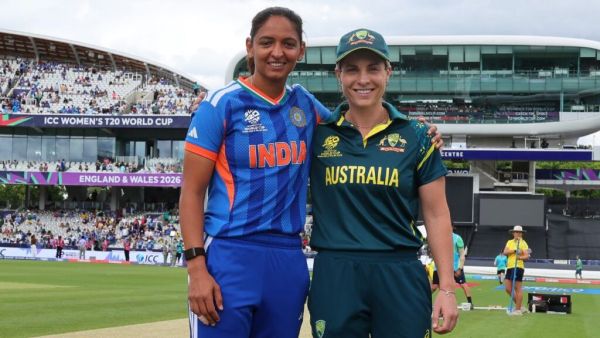
Back at it again, the Indian women’s cricket team saw history repeat itself in 2026. Much like two years prior, they watched the semifinal stage from afar. Doing things the same way brought familiar disappointment. The T20 World Cup once more slipped through their hands. Still wearing blue, still left waiting. Hope had flickered, yet progress stalled.
Not a sudden collapse, but a long stumble into silence. Beaten clearly by Australia, then South Africa – those two powerhouses who sailed through Group A. Instead of pointing fingers at known names on the lineup, something deeper pulled India down. Injuries struck hard and often, plans stayed frozen when they needed to change, and hesitation crept in where boldness was required.
The Walking Hospital: A Bowled-Over Attack of India Women
Fate wasn’t gentle when the first injury hit – before the opening match had even begun. To grasp what India faced, step into that medical room where recovery plans replaced warm-up drills.
Out of luck before the first match even started. Pooja Vastrakar, one of the key fast bowlers, won’t be playing at all. Then came news that Amanjot Kaur, relied on for both bat and ball, is also missing. Kashvee Gautam, another crucial name in the mix, joins them on the sidelines.
Midway through the tournament, Shreyanka Patil, a fast-emerging spinner, picked up an injury that slowed her run. Meanwhile, Yastika Bhatia kept stepping onto the field despite clear signs of discomfort holding her back.
Four key bowlers gone – one after another, each adding vital runs down the order – sets a steep climb for most squads. Yet high-level competition shows no leniency. Others faced blows, adjusted their course, and kept moving; India faltered when tested by top rivals.
Shoddy Fielding: Granting Lives to Giants
It is often said in cricket that holding on to catches brings victory. In India’s case, dropped chances meant an early exit from the competition.
That match versus Australia had no missed grabs on paper. Still, here lies the catch – just four opportunities came their way through the whole contest. Trouble really struck when they faced South Africa, though.
Three drops by India handed South Africa extra chances. Not once, but twice did Marizanne Kapp escape – both times off Radha Yadav’s grasp. Fielding in discomfort, hands bound tight with tape, she let go when Kapp stood at 25. Then again, later, at 65. Each missed the game. With calm precision, Kapp built on those gifts. Her 81 steadied everything. A knock that turned small mercies into full control.
India missed ten chances during five games. Though England lost twelve, so did New Zealand – yet both kept finding ways through. Without strong bowlers feeding opportunities, India had no room to absorb such errors.
A Musical Chairs Bowling Attack
Nowhere near settled, the bowlers’ struggles sent alarms through the camp. Rather than stand by them, coaches swapped names as if guessing right would fix things – each match brought another guess, another change, another hope tossed into the air.
Arundhati Reddy opened play only to vanish after two appearances. Then came Nandani Sharma – picked thrice yet kept short on deliveries each time. When the Aussies crushed their way through, they handed Kranti Gaud the ball once; one over told it all before she disappeared into silence.
Out there, the problem stared everyone in the face – runs piled up fast. Not like the top teams did it; India kept giving them away much too easily
| team |
Tournament Economy Rate (League Stage)
|
| Australia | 6.21 |
| South Africa | 6.93 |
| England | 7.23 |
| West Indies | 7.36 |
| India | 7.43 |
“If I have to pinpoint certain things in the entire tournament, I think we really need to think about our bowling and our fielding. If you look at our bowling attack, it’s been very inexperienced as far as international cricket is concerned.” – Amol Muzumdar, India Head Coach
The Tactical Decision: Mismanaging Yastika Bhatia
What stood out most in India’s performance wasn’t just a flaw – it was the shaky decision-making that kept surfacing, like when they managed Yastika Bhatia without any clear pattern or reason.
Sluggish on her feet, clearly hurt, the left-hander struggled each time the ball came near – fielding lapses stood out fast. Opposition hitters noticed straight away, aiming right where she moved slowly. Odder still, how they used her with the bat. Powerplay is her zone, swinging best when the new ball skims through. But decisions from above dropped her down too late – one match at five against the Netherlands, then suddenly up front again, facing South Africa and Bangladesh.
Just before the must-win game versus Australia, coaches finally noticed she couldn’t shift momentum during mid-innings lulls. Instead of fixing it, Deepti Sharma came out early, leaving Bhatia stranded on the bench. She ended the event with only 41 runs, striking at 117.14.
One wrong move at a time, slotting Bhatia where she didn’t fit, thinned out India’s options. Bharti Fulmali, quick off the mark and sharp under pressure, played once against Pakistan – then vanished. With more faith in Fulmali, Jemimah Rodrigues might have settled the core, leaving Richa Ghosh or even Fulmali herself to ignite the closing overs, something India never quite managed.
Played out of Fear
What really brought India down had little to do with missed chances or shifting positions in the lineup. It came from how they saw the game. Throughout the 2026 World Cup, their steps were guided by fear of losing instead of hunger to win. Hesitation shaped each decision, avoiding bold moves whenever possible.
It stood out most when captain Harmanpreet Kaur held Sree Charani back during the match against Australia. Rather than pushing a strong bowler forward, she slipped in softer spells using players such as Shafali Varma and Radha Yadav, who rarely bowl. Beating a team that keeps scoring deep into their lineup means taking risks – playing safe with occasional spin won’t cut it.
Bad luck did not cost them the tournament. Mistakes piled up, courage went missing, and trust in substitutes never came. So long as decisions are shaped by fear instead of daring, outcomes for the Women in Blue seem bound to repeat. What changes? Little so far.
-
England’s Right-Back Crisis: From a Position of Strength to a World Cup Weakness — and How Thomas Tuchel’s Choices Sparked the Problem

-
4 Zodiac Signs Attract Lasting Abundance & Luck On Tuesday, June 30, 2026

-
How To Get To Titania In Nintendo Star Fox

-
Cursor now has a mobile app for guiding your coding agent on the go

-
Due to these 5 mistakes of yours, your phone’s battery is deteriorating rapidly, know the correct way of charging Gujarati