
From chamomile to lemongrass, caffeine-free herbal infusions are moving beyond home remedies to café menus and craft mocktails, driven by wellness, flavour innovation, and changing tea habits
At some point of time, we would have reached beyond the regular tea for a sip of a cool glass of water infused with cucumber slices, lemon and mint. Tulsi, chamomile, mint, ginger, or lemongrass, and roots, spices, flowers, berries, herbs or any botanical part other than tea plant are steeped in hot or cold water. These brews are called herbal teas albeit they are not tea in the technical sense.
Greeks prepared a curative brew from pearl barley called ptisane which transformed to become the French tisane using fruits and herbs. It is said that early Egyptians offered chamomile-steeped drink to gods. Liang cha was the Chinese variety for herbal infusions through which they dispensed therapeutic herbs. The Khoi people of Africa developed Rooibos tea (red bush tea from a South African shrub).
Tea vs tisane
White, black, green, oolong – any and every variety of tea is derived exclusively from the camellia sinensis plant, and contains caffeine. To retain the greenness of freshly plucked tea leaves, they undergo ‘kill-green’ or ‘de-enzyming’ process, to stop oxidation. Whereas, herbal teas are dried/fresh herbal infusions or decoctions. Tisanes are devoid of caffeine besides making each concoction come alive with its distinctive taste and goodness. Many cafes now incorporate fruit-forward infusions like berry, citrus, or apple-cinnamon, and some elevate the experience with fresh ingredients like mint leaves, sliced ginger, or orange peel served in a more artisanal style.
-
Ways to keep wooden furniture safe in rain

-
These special trains will run in July, their duration has also increased, passengers of these states including MP-UP will get benefits, see route schedule

-
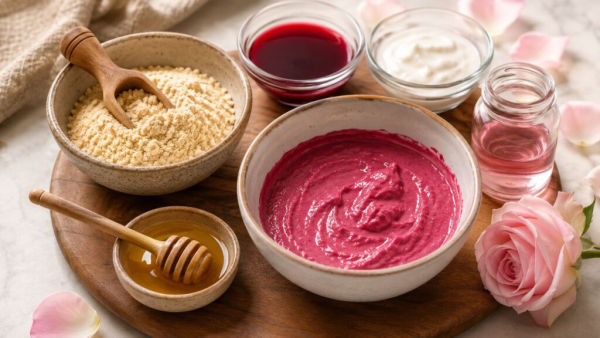
Glowing Skin Tips: Say bye to expensive facials, apply these 2 things mixed with gram flour, get a pink glow on your face.
-
AC Side Effects on Health: People who stay in AC all day long should be careful, know from the doctor about 5 major disadvantages of staying in AC for 24 hours

-
Eva Green hospitalised after injury on Wednesday set