
Messaging platform Telegram is back in the spotlight over security concerns. Days after it was temporarily banned in India over its alleged role in the NEET-UG 2026 paper leak, the Narcotics Control Bureau (NCB) has flagged the platform as a key channel for drug-related advertising.
According to the NCB’s annual report for 2025, released by Union home minister Amit Shah yesterday, Telegram has emerged as the most prominent encrypted messaging platform used to advertise illegal drugs through public channels offering product listings, pricing and delivery details.
The report noted that while encrypted messaging platforms such as Telegram, WhatsApp and Signal have become significant channels for drug distribution globally, Telegram stands out because of its public channels and ease of access, making it easier for traffickers to reach a wider audience.
“Unlike darknet markets, which require specialised access, these platforms are widely accessible via smartphones, lowering entry barriers and enabling broader reach… Enforcement on these platforms is challenging because of jurisdictional issues in securing platform cooperation, the ephemeral nature of content, including auto-deletion of messages, and the use of multiple accounts, layered communication methods and cryptocurrency payments by vendors to maintain anonymity,” the report said.
The NCB also warned that technology is rapidly reshaping the global narcotics trade. It said darknet marketplaces continue to operate like ecommerce platforms for illegal drugs.
The report added that traffickers are increasingly moving away from Bitcoin to privacy-focused cryptocurrencies such as Monero and Zcash, alongside decentralised finance (DeFi) protocols, making financial transactions harder to trace.
The report also identified international postal networks as a major enforcement blind spot, with small parcels containing synthetic drugs often escaping detection.
The development comes days after the Delhi High Court dismissed Telegram’s challenge to the Centre’s decision to temporarily restrict public access to the platform until June 22. While access has since been restored, Telegram’s message-editing feature will remain disabled in India until June 30.
During the hearing in the HC, the Centre described Telegram as the “new dark web”, arguing that criminals increasingly use the platform to connect through public channels and deep web links while concealing their identities.
The government alleged that Telegram’s cloud-based architecture, public channels, bots, large groups and username-based identities had enabled activities ranging from cyber fraud and financial scams to drug trafficking, child exploitation, piracy and terrorism.
It also cited a Telegram channel named“NEET Mafia”, with around 18,617 subscribers, which allegedly circulated content related to paper leaks, advance booking arrangements and payment mechanisms for the examination.
Mounting Global Scrutiny Of TelegramThe NCB’s findings add to growing international scrutiny of Telegram over its alleged role in facilitating illicit trade, particularly narcotics.
The platform’s combination of encrypted chats, large public channels, bots, and relatively limited moderation has made it an attractive marketplace for drug traffickers, according to law enforcement agencies and researchers.
Dealers often advertise products in public channels using coded language before moving buyers to private conversations, with cryptocurrency increasingly used to settle transactions.
Telegram’s role in criminal networks drew global attention in 2024 when founder Pavel Durov was arrested in France and later indicted on charges of complicity in drug trafficking, money laundering, and failure to cooperate with law enforcement.
French prosecutors did not accuse Durov of personally participating in the crimes but argued that Telegram’s moderation practices enabled organised criminal activity.
Investigations in the US and across Europe, Asia and Latin America have similarly linked Telegram to cross-border drug trafficking networks.
The NCB said traffickers are increasingly combining encrypted messaging platforms with darknet marketplaces, privacy-focused cryptocurrencies and DeFi platforms, creating a digital ecosystem that is becoming progressively harder for law enforcement agencies to monitor and disrupt.
The post After NEET Row, NCB Flags Telegram As Top Platform For Drug Advertising appeared first on Inc42 Media.
-
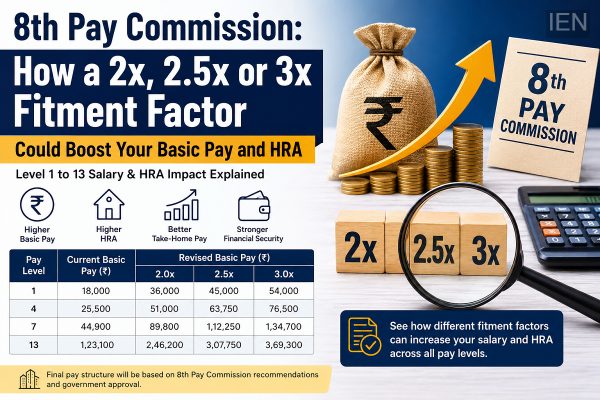
8th Pay Commission: How a 2x, 2.5x or 3x Fitment Factor Could Boost Basic Pay and HRA Across Pay Levels
-
PPF Loan Explained: How to Borrow Against Your Public Provident Fund at Lower Interest Than a Personal Loa

-
This fund turned a monthly investment of ₹10,000 into ₹33.87 lakh over 10 years

-
Too Many Mutual Funds in Your Portfolio? Here's Why More Schemes Don't Always Mean Better Diversification

-
Union Minister Kiren Rijiju Experiences Marine Beauty At Swaraj Dweep’s Temple Garden Of Andaman & Nicobar Islands; Take A Look!