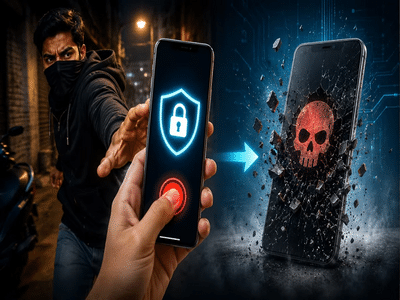
Smartphone theft continues to be a major concern worldwide, with stolen devices often finding their way into illegal resale markets. As premium smartphones become more expensive and store inventories grow in value, criminals increasingly target mobile phone retailers and distribution channels.
To address this challenge, major telecommunications providers are exploring advanced anti-theft solutions. One such innovation is the "Kill Switch" system, a security technology designed to remotely disable stolen smartphones, rendering them unusable and significantly reducing their resale value.
The initiative aims to discourage organized theft by ensuring that stolen devices cannot be activated, sold, or used after being identified as stolen.
What Is Kill Switch Technology?Kill Switch is a remote device-disabling system developed to combat smartphone theft at its source. Once activated, the technology can permanently block a stolen handset from functioning, effectively turning it into a useless piece of hardware.
Unlike traditional tracking methods that focus on locating a missing device, the Kill Switch system is designed to prevent criminals from profiting from stolen smartphones.
The technology primarily targets devices stolen before they reach consumers, helping retailers and network operators protect their inventory from organized theft operations.
How the System WorksThe Kill Switch mechanism relies on automated monitoring and device identification systems.
When a smartphone is reported stolen from a retailer, warehouse, or distribution center, the device's details are added to a monitoring database. If the handset is switched on or connected to a network, the system can recognize it and trigger a security response.
The process generally involves several steps:
- A device is reported as stolen from retail inventory.
- The smartphone's identification details are flagged in a centralized database.
- The system detects when the handset attempts to activate or connect.
- Device information is verified with manufacturer records.
- A remote command is issued to disable the smartphone.
- The handset becomes unusable, preventing activation or resale.
By removing the financial incentive associated with stolen devices, telecom providers hope to reduce the number of theft-related incidents targeting mobile phone businesses.
Designed for Unsold Retail DevicesOne important aspect of the Kill Switch system is that it is intended only for devices that remain part of a retailer's inventory and have not yet been sold to consumers.
This means the technology is focused on protecting stock that is legally owned by network operators, manufacturers, or retail stores.
Once a smartphone has been purchased and ownership has transferred to a customer, the device falls outside the scope of this inventory-protection system. Legitimate users retain full control of their phones, and telecom companies cannot arbitrarily disable devices owned by customers.
This distinction is intended to ensure consumer rights and ownership protections remain unaffected.
Why Telecom Companies Are Supporting the InitiativeThe resale of stolen smartphones has long been a profitable criminal activity. Even when devices are blocked from certain networks, many can still be dismantled for parts or sold through unauthorized channels.
Telecommunications providers believe that making stolen devices completely inoperable could dramatically reduce the attractiveness of smartphone theft.
By eliminating resale opportunities, retailers may experience fewer break-ins, lower financial losses, and improved supply chain security.
Industry experts also note that proactive anti-theft measures can help reduce insurance costs and strengthen consumer confidence in mobile device security.
Similar Programs Have Been Used InternationallyThe concept of disabling stolen devices is not entirely new. Various countries and network operators have experimented with anti-theft systems aimed at reducing smartphone-related crime.
Several European markets have previously implemented measures that prevent stolen retail inventory from being activated on mobile networks. These efforts have shown that restricting the usability of stolen devices can help reduce criminal incentives.
The latest Kill Switch initiative builds on those earlier approaches by introducing more advanced automation and real-time detection capabilities.
The Debate Around Universal Kill Switch FeaturesLaw enforcement agencies and technology experts have long discussed the idea of a universal smartphone Kill Switch that could be applied more broadly to combat theft.
Supporters argue that making stolen phones worthless would significantly reduce theft rates and protect consumers. Critics, however, often raise concerns about privacy, ownership rights, and the potential misuse of remote device-control technology.
As smartphone theft continues to evolve, governments, telecom providers, and technology companies are searching for solutions that balance security with user rights.
For now, the latest Kill Switch system represents another step in the ongoing effort to make smartphone theft less profitable and protect valuable mobile devices from criminal networks.
-
Protein Powder Tips: Is your protein powder real or fake? Learn 5 easy ways of identification from a nutritionist

-
Best road trip options to visit in monsoon

-
MP Congress demands CBI investigation into Ram temple offering theft case, warns of nationwide agitation if action is not taken within seven days

-
Heavy rain begins in Mumbai-Thane, IMD issues A to Z alert for all 36 districts of Maharashtra

-
Vietnamese actress Katleen Phan Vo weds a businessman in Malaysia