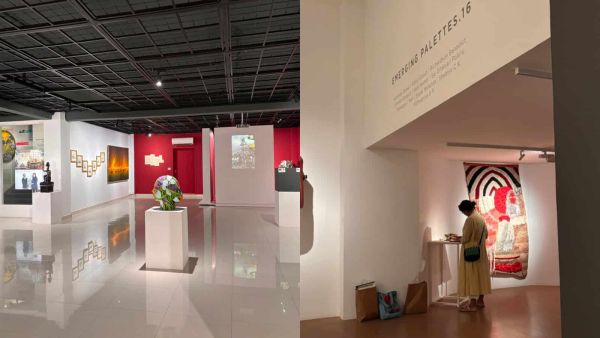
“Art is not always just pleasing to the eye. It has to be something that touches you, touches your heart, or activates something in you. It makes you question,” says Lakshmi Nambiar, director of Srishti Art Gallery.
It is this exact appetite for deeper meaning that is redefining Hyderabad’s creative identity. The city’s audience is rapidly moving past traditional, purely decorative aesthetics. Whether it is curious visitors leaving detailed notebook reviews on a bustling Sunday afternoon or young professionals engaging with experimental installations, Hyderabadis are no longer just looking at art, they are letting it provoke them.
Siasat.com had the opportunity to get a peek into the art world of Hyderabad and interact with pioneers who have witnessed and shaped the cultural evolution firsthand.

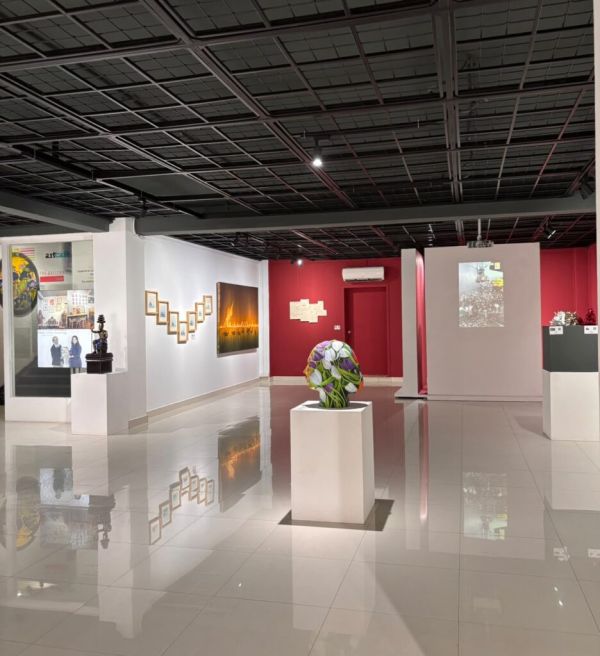
The changing pulse of the Hyderabadi viewer
“The art situation in Hyderabad has drastically changed, and changed for the better,” states Rekha Lahoti, director of Kalakriti Art Gallery, an institution celebrating its landmark silver jubilee next year. According to Lahoti, this transformation is deeply tied to a population that has become exceptionally well-travelled and globally exposed. Local art enthusiasts are regularly returning home from major national hubs like the India Art Fair and Art Mumbai, bringing back a mature perspective that demands high-calibre creative expression right here in the Deccan.
Similarly, Lakshmi Nambiar has tracked this rapid shift from her vantage point at one of the city’s oldest art spaces. “There is a growing awareness among people to buy art, which was not the case before,” Nambiar observes. “The aesthetic sensibilities in the city were very traditional, which is also changing with exposure to art.” She notes that while the base of core collectors is still gradually growing, the general inquisitiveness and curiosity of the audience have fundamentally transformed.
A major driver behind this changing audience pulse is how art is being integrated into modern lifestyle choices. For decades, art in the city was treated as a quiet, secondary element of home design. Today, it has evolved far beyond simple, non-offensive wall filler.
“This shift is mainly driven by interior designers and architects, who believe that to complete a house, there needs to be some artwork required on the wall,” Nambiar explains. “Initially, interior designers needed to bring in homeowners reluctantly. Now, I see that homeowners do believe that filling up the walls is becoming important.”
Is art democratised in Hyderabad?
Historically, fine art spaces carried an unwritten reputation of being intimidating to the general public. Today, both Srishti and Kalakriti are actively dismantling those invisible barriers to make art appreciation accessible to every regular resident. For Kalakriti Art Gallery, this process begins with absolute logistical openness, starting with a strong digital presence. “Our Google timeline gets a lot of inquiries to ask whether it’s open to public,” Rekha Lahoti notes. By ensuring their operational calendar is entirely clear and welcoming visitors seven days a week, the gallery aims to become a natural, hassle-free part of a resident’s weekend routine.
To ensure that these visitors do not feel lost once they step inside, Kalakriti intentionally pairs its exhibitions with educational context. Every show features interactive presentations, preview-day conversations, and structured dialogues between artists and curators. Recognizing that physical distance can often be a barrier to culture, the gallery has also expanded its geographical footprint. By pushing its art appreciation discourses out of Banjara Hills and directly into the corporate and tech corridors of HITEC City, Kalakriti is actively bringing art to where the city’s modern workforce lives and breathes, ensuring that “different parts of the city get to hear art appreciation discourses.”
For Srishti Art Gallery, making art democratic is less about academic instruction and more about fostering a personal culture of continuous exposure. Lakshmi Nambiar points out that a major challenge for the general public is feeling too overwhelmed to enter a creative space. “The challenge is that people feel too overwhelmed, that’s why they won’t do it,” Nambiar explains. Her ultimate antidote to gallery intimidation is simply showing up repeatedly without the pressure of needing to immediately comprehend the work. “But the more and more you see, you don’t need to understand. See it three times, you will develop your own opinion about what you like and what you don’t,” she urges, reminding the public that “the gallery is open to everybody.”
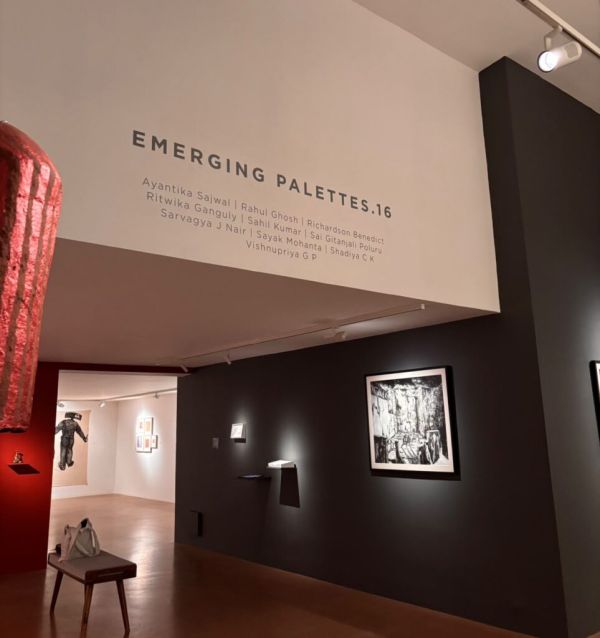
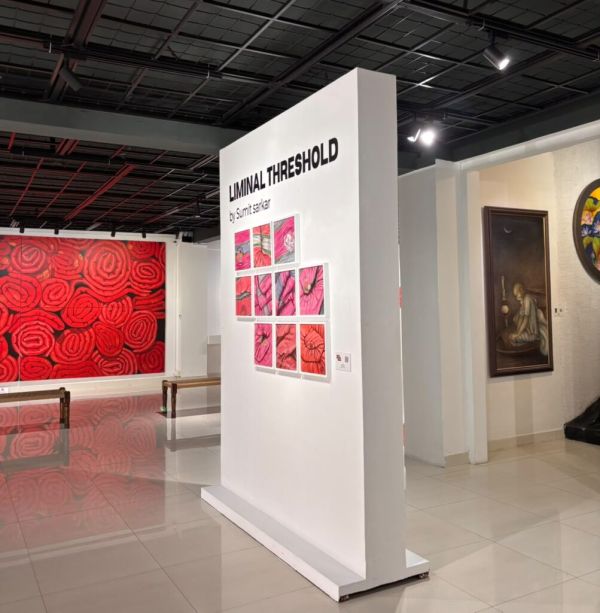
This democratic shift is fully alive on the gallery floors right now. At Srishti, the annual Emerging Palettes showcase features multi-dimensional creations from fresh MFA graduates, which reflect the nation’s complex socio-economic realities. Meanwhile, Kalakriti is offering a massive, multi-layered visual experience under one roof: Sumit Sarkar’s solo presentation Liminal Threshold, a sprawling display of sixteen different artists using everything from wood embroidery to resin in the Viewing Room, and the exclusive, highly appreciated Hyderabad debut of UK sculptor Anne Carrington.
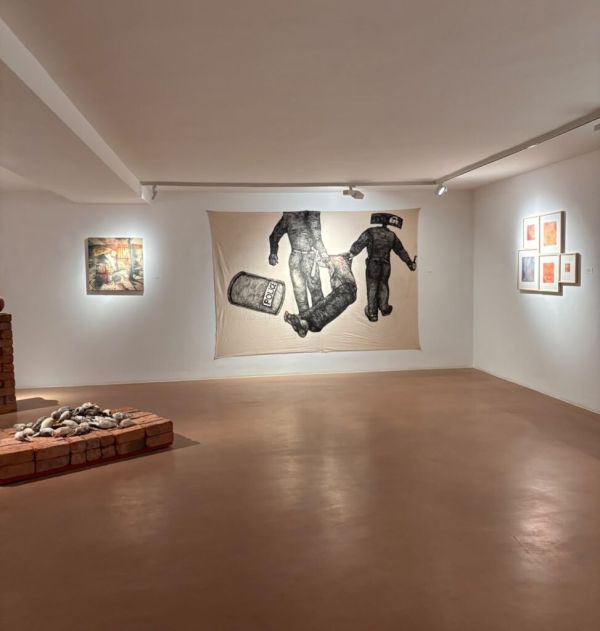
By bringing such experimental, globally relevant art straight to the local public, these pioneers are proving that Hyderabad is actively helping define the contemporary art world.
-
Face Alexander Isak Injury Concern Ahead of World Cup Clash

-
Review: 'Gram Chikitsalay' gets it right in its second season

-
For local democracy to flourish in India, State Election Commissions must be reformed

-
'Welcome to the Jungle' follows in the footsteps of 'Dhurandhar'; makers employ a strategy to boost earnings—bookings open on this date..
-
Samantha-Raj: Samantha is pregnant, Raj is set to become a father; director confirms the news..