

Iran Sentences Singer Parastoo Ahmadi to 74 Lashes After Viral Hijab-Free Performance
Iran has once again come under international scrutiny after a court reportedly sentenced singer Parastoo Ahmadi and several members of her production team to 74 lashes for participating in a live-streamed concert in which she performed without wearing a hijab. The ruling has sparked outrage among human rights organizations, artists, and activists across the world, who view the punishment as another example of the country’s continuing crackdown on artistic freedom and women’s rights.
The case centers on a December 2024 online concert that quickly became a symbol of resistance against Iran’s strict dress regulations and cultural restrictions. The performance, which was streamed on YouTube, attracted millions of viewers and generated widespread discussion both inside and outside Iran. Nearly two years later, the legal consequences have reignited debates about freedom of expression, women’s rights, and state control over cultural activities in the Islamic Republic.
Viral Concert Becomes Symbol of Resistance
Parastoo Ahmadi, a 29-year-old Iranian singer, drew significant attention when she appeared in a live-streamed musical performance without the mandatory hijab required for women in public settings under Iranian law.
During the concert, Ahmadi performed patriotic and emotional songs, including “Az Khoone Javanane Vatan” (From the Blood of the Youth of the Homeland), a piece that resonated deeply with many Iranians. The performance was widely shared on social media platforms and quickly amassed millions of views.
For many supporters, the concert represented more than a musical event. It became a statement about personal freedom, artistic expression, and women’s autonomy. The images of a female singer openly performing without a head covering were viewed by many as a challenge to restrictions that have long governed public life in Iran.
The performance gained international visibility at a time when Iran was already facing criticism over its treatment of women and activists following widespread protests triggered by the death of Mahsa Amini in 2022.
Court Hands Down Harsh Punishment
According to reports cited by rights organizations and legal experts who reviewed court documents, a criminal court in Iran’s Qom province sentenced Ahmadi and eight members of her production team to 74 lashes.
In addition to the corporal punishment, the court reportedly imposed a two-year travel ban preventing the artists from leaving Iran. The ruling also includes a two-year prohibition on engaging in artistic activities.
The charges reportedly involve allegations of violating public morality and publishing content deemed “vulgar” or “immoral” through online platforms.
Although Iranian judicial authorities have not publicly released a detailed statement on the verdict, legal documents reviewed by rights groups indicate that authorities considered the performance a violation of the country’s cultural and religious regulations.
The ruling highlights the risks faced by artists who challenge official restrictions in Iran, particularly women who publicly oppose compulsory hijab rules.
Arrests and Legal Proceedings
Following the viral concert in December 2024, Iranian authorities briefly detained Ahmadi and several musicians associated with the performance.
While they were later released, authorities subsequently initiated formal legal proceedings related to the publication and distribution of the concert footage.
The case remained under review for months before reportedly culminating in the recent sentencing decision.
Human rights observers note that the lengthy legal process reflects a broader pattern in which Iranian authorities use judicial mechanisms to pressure artists, journalists, filmmakers, and activists whose work is perceived as challenging official ideology.
Critics argue that such prosecutions create an atmosphere of fear within Iran’s creative community, discouraging artists from expressing views that diverge from state-approved narratives.
Human Rights Groups Condemn The Sentence
The reported sentence has generated strong criticism from international human rights organizations.
According to activists, the punishment demonstrates that despite occasional government efforts to present a more moderate image internationally, restrictions on fundamental freedoms remain firmly in place.
Rights advocates argue that flogging constitutes cruel, degrading, and inhuman punishment under international human rights standards.
Many organizations have called on Iranian authorities to immediately reverse the ruling and end criminal prosecutions related to peaceful artistic expression.
Human rights campaigners have emphasized that singing, performing music, and appearing in public without a hijab should not be treated as criminal acts.
They contend that punishing artists for such activities violates internationally recognized principles protecting freedom of expression, cultural participation, and personal liberty.
Legal Experts Question Basis Of Conviction
Several legal experts specializing in Iranian law have challenged the legal foundation of the sentence.
According to lawyers familiar with the case, neither singing nor producing music is explicitly criminalized under Iran’s penal code.
Critics argue that authorities have relied on broadly defined morality-related provisions to prosecute artists whose work challenges social norms enforced by the state.
Legal observers contend that the publication of musical performances cannot reasonably be categorized as the production or distribution of obscene content.
The case has therefore raised concerns regarding the interpretation and application of laws governing morality, public decency, and cultural expression.
Experts also argue that corporal punishment such as flogging conflicts with Iran’s obligations under international human rights conventions that prohibit torture and degrading treatment.
Artists Rally Behind Parastoo Ahmadi
The ruling has triggered an outpouring of support from artists and cultural figures both inside Iran and among the Iranian diaspora.
Many have praised Ahmadi for her courage in continuing to perform despite potential legal consequences.
Several Iranian artists living abroad have described the singer as a symbol of resilience and resistance.
Among those expressing support is Iranian-British actress Nazanin Boniadi, who criticized the punishment and argued that it demonstrates the persistence of state repression against women and artists.
Other cultural figures have noted that Ahmadi’s performance inspired many Iranians who continue to advocate for greater personal freedoms.
For supporters, the concert represented hope and defiance in the face of restrictions that have shaped public life for decades.
Women’s Rights Remain A Central Issue
The controversy surrounding Parastoo Ahmadi’s sentence reflects broader tensions surrounding women’s rights in Iran.
Since the nationwide protests that erupted in 2022, Iranian women have increasingly challenged compulsory dress codes and social restrictions.
Many women have appeared in public without hijabs despite the risk of fines, detention, or legal action.
Authorities, meanwhile, have sought to reinforce existing regulations through enforcement campaigns and legal measures.
The confrontation between state authorities and citizens advocating greater freedoms remains one of the most significant social issues facing Iran today.
Women’s participation in cultural, artistic, and public life has become a major focus of this debate, making cases like Ahmadi’s highly symbolic.
Cultural Freedom Under Pressure
The sentencing of Parastoo Ahmadi also highlights ongoing concerns regarding artistic freedom in Iran.
Filmmakers, musicians, actors, writers, and journalists have frequently faced censorship, travel restrictions, professional bans, and criminal prosecutions.
Many artists argue that cultural expression should not be subject to ideological control.
However, Iranian authorities maintain that cultural productions must comply with religious values and public morality standards established by law.
This tension has produced numerous conflicts over music, cinema, literature, and online content.
Observers note that social media and digital platforms have created new opportunities for artists to reach audiences directly, making state regulation increasingly difficult.
At the same time, authorities have intensified efforts to monitor and restrict online activities they consider problematic.
International Attention On Iran’s Human Rights Record
The case has once again drawn international attention to Iran’s human rights record.
Governments, rights organizations, and advocacy groups have repeatedly raised concerns regarding restrictions on freedom of expression, treatment of women, and use of corporal punishment.
While Iranian officials often reject foreign criticism as interference in domestic affairs, such cases continue to shape global perceptions of the country.
Diplomatic tensions between Iran and Western nations have frequently included disagreements over human rights issues.
The sentencing of a singer for a public performance is likely to intensify those debates.
Future Uncertain For The Singer
The immediate future for Parastoo Ahmadi and her colleagues remains uncertain.
If the sentence is upheld, the artists could face significant professional and personal restrictions, including limitations on travel and artistic work.
Supporters hope international attention and public pressure may encourage authorities to reconsider the punishment.
Regardless of the legal outcome, the case has already transformed Ahmadi into a prominent symbol in the ongoing struggle over artistic freedom and women’s rights in Iran.
Her concert, originally intended as a musical performance, has become part of a larger conversation about personal liberty, cultural expression, and resistance against restrictions that many Iranians continue to challenge.
As reactions continue to emerge from around the world, the case underscores the deep divisions between those seeking greater freedoms and authorities determined to preserve existing social and political controls. The outcome may not only affect the future of one singer but also influence the broader debate about the role of art, women, and free expression in contemporary Iran.
The post Iranian Singer Parastoo Ahmadi Sentenced to 74 Lashes Over Hijab-Free Concert appeared first on CliQ INDIA.
-
20 Top Cricketers Banned For Corruption: 4 Indians, 8 Pakistanis In The Infamous List

-
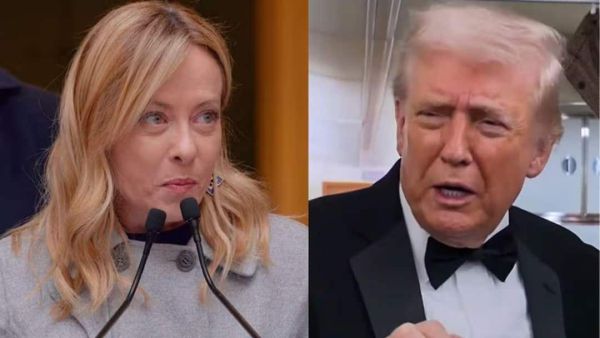
'Focus On Your Own Popularity': Meloni Fires Back At Trump Over 'Begging' For Photo Remark
-
Arsenal Finish Top of the Table with 85 Points, Manchester City in Second Place

-
Thane Police Athlete Sheetal Kharatmal Wins Bronze At Asian MMA Championship, Qualifies For World Games

-
Nagaland State Lottery Result: June 20, 2026, 8 PM Live - Watch Streaming Of Winners List Of Dear Lucky Sambad Night Saturday Weekly Draw