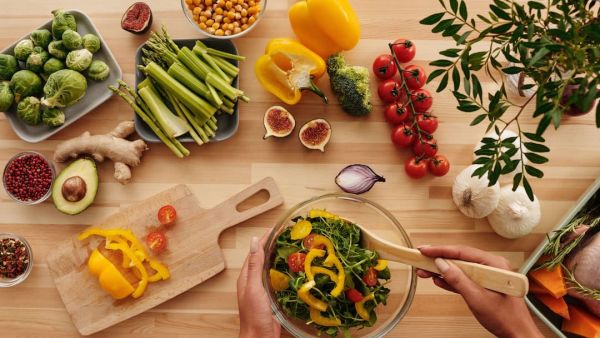
Over the past few years, veganism has become more than just a food trend. Some people choose it to improve their health, others are motivated by environmental concerns, while many adopt it because they want to avoid products linked to animal farming. But one question still puzzles many people: if vegans don't eat meat, eggs, milk, cheese or yoghurt, what exactly do they eat?
The answer is much simpler and far more interesting than most people think.
Vegan Plate Is More Than Just Salads
One of the biggest misconceptions about veganism is that it revolves around eating salads all day. In reality, vegan diets can be incredibly varied and colourful.
A typical vegan meal may include fruits, vegetables, lentils, chickpeas, beans, rice, oats, pasta, potatoes, nuts and seeds. Foods such as tofu, soybeans and tempeh are also widely consumed because they provide a good source of plant-based protein.
Many of the foods people already eat every day are naturally vegan. From vegetable curries and dal to stir-fries, soups and grain bowls, there are countless options available. In recent years, supermarkets have also introduced plant-based alternatives to milk, cheese, yoghurt and even meat, making vegan eating more accessible than ever.
How Do Vegans Get Protein And Other Nutrients?
Perhaps the most common question vegans hear is: "Where do you get your protein from?"
Nutrition experts say protein can come from a variety of plant foods, including lentils, beans, chickpeas, tofu, soy products, nuts and seeds. When eaten as part of a balanced diet, these foods can help meet the body's daily protein needs.
Calcium, another nutrient commonly associated with dairy products, can be found in foods such as tofu, sesame seeds, tahini, broccoli and leafy green vegetables. Many plant-based milks are also fortified with calcium and vitamin D.
For iron, vegans often include lentils, beans, spinach, whole grains and dried fruits in their meals. Meanwhile, walnuts, flaxseeds and chia seeds are popular sources of omega-3 fatty acids, which support heart and brain health.
Is A Vegan Diet Healthy?
Research suggests that a well-planned vegan diet may offer several health benefits. Studies have linked plant-based diets with lower cholesterol levels, improved heart health and a lower risk of obesity and type 2 diabetes. Because vegan diets are typically rich in fibre, they can also support digestion and gut health.
However, experts stress that simply avoiding animal products does not automatically make a diet healthy. Like any eating pattern, balance matters.
Particular attention should be paid to nutrients such as vitamin B12, iodine, selenium and vitamin D, which can be more difficult to obtain from plant foods alone. This is why some vegans choose fortified foods or supplements to ensure they meet their nutritional needs.
The bottom line is that veganism is not about what is missing from the plate. Instead, it is about building meals around a wide variety of plant-based foods. With proper planning, a vegan diet can be nutritious, satisfying and suitable for people at different stages of life.
Disclaimer: The information provided in the article is intended for general informational purposes only. It is not a substitute for professional medical advice, diagnosis, or treatment. Always seek the advice of your physician or other qualified healthcare provider with any questions you may have regarding a medical condition
-
Mandatory World Cup hydration breaks disrupting attacking rhythm across North America – the evidence revealed

-
Austria vs Jordan preview: Class divide could spell early World Cup trouble

-
Golden opportunity for a government job in Delhi; DSSSB announces recruitment for various posts; check the last date

-
Aligarh Shines in UP B.Ed Entrance Exam; Nitin Pachauri Secures Second Rank Statewide

-
Summer Holidays Extended in UP Schools; Classes to Resume on June 25