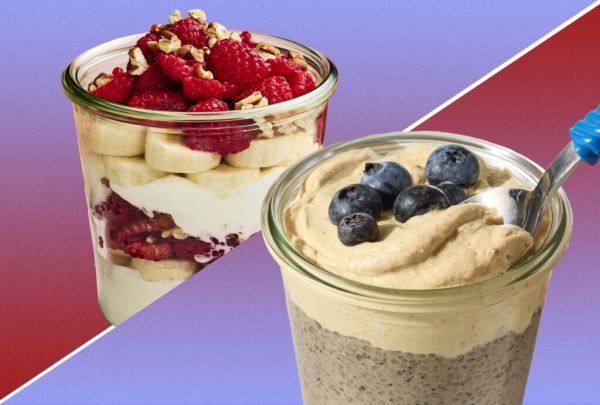
Do you even have to choose? Learn what dietitians say.
Reviewed by Dietitian Jessica Ball, M.S., RD
Key Points
- Fermented foods add beneficial gut bacteria, improving microbial diversity and reducing inflammation.
- Fiber-rich foods fuel gut bacteria, aiding digestion and bowel regularity.
- Combining fermented and fiber-rich foods supports a thriving gut microbiome and better overall health.
Your gut health doesn’t only determine your bowel habits—it also influences your immune, metabolic and brain health. All the more reason to choose foods that’ll support your gut! Two types of foods often touted for gut health are fermented foods and fiber-rich foods, but is one better than the other? “Fermented and fiber-rich foods both play important roles in supporting gut health, but they work in different ways,” says Sam Previte, RD, LDN, CPT. “Think of fermented foods as adding beneficial bacteria to the gut, while fiber helps feed and support those bacteria so they can thrive,” says Previte. Learn all about how these foods support gut health, and whether one matters more.
Benefits of Fermented Foods
Introduce Healthy Bacteria to Your Gut
Trillions of microorganisms—such as bacteria, fungi and viruses—live in your gastrointestinal tract. You may normally think of microbes as scary, but certain kinds are actually critical for your health. Fermented foods help introduce more of them into your system. “Fermented foods, such as yogurt, kefir, kimchi, sauerkraut and miso, contain beneficial bacteria (aka probiotics) that can help support a healthy gut microbiome,” says Hadley. These bacteria are either created (in the case of kimchi) or added (in the case of yogurt) during the fermentation process. “Research also suggests that regularly consuming fermented foods and drinks may increase microbial diversity in the gut—an important part of a healthy microbiome,” says Hadley. Many of us lack this healthy diversity in our gut, but some research suggests that eating more fermented foods may help change that.
May Help Reduce Inflammation
Through exerting positive effects on your gut microbiome, fermented foods may also help lower inflammation, notes Hadley. A 2021 study in Cell found that eating more fermented foods lowered levels of inflammatory markers like IL-6, IL-10 and IL-12b. Chronic inflammation is linked with many chronic health conditions including heart disease, diabetes and cancer, so chronic disease prevention goes hand-in-hand with gut health.
Have an Increased Concentration of Vitamins
Fermented foods may also be higher in some vitamins. The fermentation process can increase vitamin concentration and, in some cases, may even make them easier for our bodies to absorb. A 2025 study in Frontiers in Nutrition found this to be the case for vitamins K2, B2, B9 and B12. These vitamins help with things like blood clotting, bone health and energy metabolism.
Benefits of Fiber-Rich Foods
Feed Healthy Gut Bacteria
“Fiber-rich foods, on the other hand, act as fuel for the beneficial bacteria already living in your gut,” says Previte. Rather than introducing more healthy bacteria, they help the preexisting bacteria grow and thrive. “Fiber is especially important because most Americans are still not getting enough of it consistently,” says Previte. That’s right—less than one in ten Americans are meeting their daily fiber needs!
Support Regular Bowel Movements
When you’re backed up, you probably know to focus on fiber. That’s because it plays a key role in regulating bowel movements—whether you have constipation or diarrhea. “Fiber supports digestion, regular bowel movements, blood sugar regulation and overall digestive function,” says Previte. In fact, eating enough fiber—around 25–30 grams per day depending on your age and sex—is linked with lower rates of chronic constipation and diarrhea.
Help Produce Short-Chain Fatty Acids
Fiber-rich foods also lead to the production of short-chain fatty acids, “compounds that play an important role in gut and overall health,” says Hadley. The fiber gets fermented in your intestines, producing these beneficial compounds that can help strengthen your gut lining and fight inflammation. But they help with more than just gut health. Research shows they can improve insulin sensitivity, lower cholesterol and blood pressure and regulate appetite.
So, Which Matters More?
Instead of asking which matters more, it’s worth asking how you can incorporate both fermented and fiber-rich foods into your diet. “Focusing on one while neglecting the other is a bit like planting a garden but forgetting to water it,” says Hadley. For optimal gut health, we need beneficial microorganisms from fermented foods and fiber-rich foods to help them thrive. “A simple way to think about it: fermented foods introduce beneficial microbes and help increase diversity, while fiber-rich foods nourish the gut ecosystem and support digestive function,” says Hadley.
Other Tips for Supporting Gut Health
“Small, realistic habits practiced consistently tend to be much more supportive for gut health than extreme wellness trends or restrictive food rules,” says Previte. So instead of trying to overhaul your routine overnight, gradually incorporate these habits for a healthier gut.
- Keep a consistent meal schedule. Eating influences your circadian rhythm—your body clock that controls things like sleep, appetite and digestion. To regulate your body clock and in turn, your digestion, try keeping a consistent meal schedule. “Eating meals at relatively consistent times can help your gut know when to expect food and support digestive efficiency,” says Hadley.
- Hydrate. Fiber needs water to do its job well, so make sure you stay hydrated. Drink plenty of water and enjoy fluid-rich fruits and vegetables like cucumbers, watermelon and berries.
- Get moving. Being physically active can help stave off constipation by speeding up digestion. As your body moves, so does your gastrointestinal tract. Interestingly, studies show that being physically active may also help diversify your gut microbiome. Hadley recommends gentle movement—like a walk or even simply standing up—after a meal to aid with digestion. gentle movement “Try not to immediately settle onto the couch or lie down after a meal, which can disrupt food moving through your gut,” she says. aid with digestion
- Eat slowly. Digestion starts in your mouth, so chew your food thoroughly. chew your food thoroughly “Chewing thoroughly and eating with fewer distractions can support digestion and help your body better process food,” says Hadley. A 2025 study in Nutrients even found that impaired ability to chew may disrupt gastrointestinal health.
Our Expert Take
Fermented and fiber-rich foods work together to support gut health. So instead of pitting them against each other, think of them like teammates. “If someone is looking to improve the nutrient density of their meals in a realistic, sustainable way, incorporating both fermented and fiber-rich foods can be a great place to start,” says Previte. By weaving these foods into your daily diet, you’ll support bowel regularity, introduce healthy bacteria to your gut and give them the food they need to thrive.
-
Milan Face Major Obstacles in Pursuit of Darwin Nunez Transfer

-
‘I Don’t Care’: Real Madrid’s New Signing Marc Cucurella Sends Bold Message to Vinícius Jr.

-
England spinner backs Charlie Dean's return as captain vs Scotland after Nat Sciver-Brunt injury

-
Two-third MPs cannot merge with Shinde Sena by themselves, Uddhav faction tells Lok Sabha speaker

-
How Delhi's Daryaganj Sunday Book Market provided welfare infrastructure for the city's students