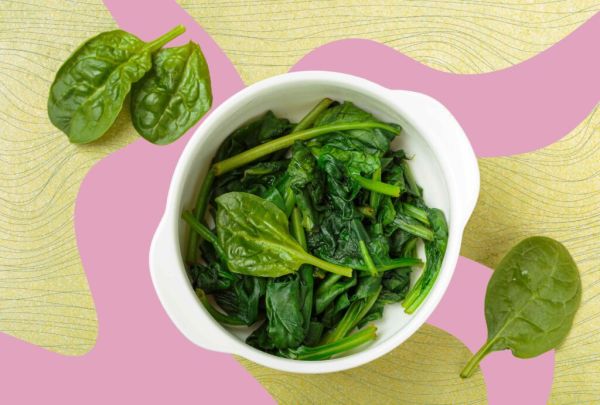
Spinach is loaded with nutrients, but your body doesn’t absorb all of them. Experts say this cooking method can provide the most nutrition.
Reviewed by Dietitian Mandy Enright, M.S., RDN, RYT
Key Points
- Steaming minimizes nutrient loss from heat and water, making it the ideal way to cook spinach.
- Different cooking methods provide various benefits to obtain the most nutrition from spinach.
- Spinach nutrition is also boosted by adding vitamin C or healthy fats, or using iron cookware.
Spinach has earned its superfood reputation. Just a couple of handfuls of Popeye’s favored veg deliver folate, vitamin A, vitamin C, vitamin K, lutein, magnesium and potassium, along with iron and calcium. But there’s something you might not realize: the nutrients listed on paper aren’t always the nutrients your body gets. Spinach is naturally high in compounds called oxalates, which bind to certain minerals, like calcium, making them harder to absorb. How you prepare your spinach can tip that balance in your favor or against it.
That’s where cooking comes in. Heat and water can wash away or break down some of spinach’s most fragile nutrients, while gentler methods help lock them in and make others easier for your body to use. When you weigh nutrient retention, mineral absorption and how much spinach you’ll realistically eat, one method comes out ahead as the best all-around choice: steaming. Here’s why food scientists and dietitians say steaming is the way to go for maximizing nutrition from spinach.
Keeps Water-Soluble Vitamins from Washing Away
Some of spinach’s star nutrients—including vitamin C, folate and several other B vitamins—are water-soluble, meaning they dissolve in water. Drop spinach into a pot of boiling water and a portion of those vitamins simply floats away into the liquid you discard down the drain. Steaming sidesteps that problem because the leaves never sit submerged.
“Steaming helps to prevent the vitamins and minerals from washing away into the cooking water, while still breaking down spinach tissue so that the nutrients can be more easily absorbed,” says Bryan Quoc Le, Ph.D.a food scientist.
Boiling does the opposite. “If spinach is boiled, the water leaches these water-soluble nutrients from the spinach,” Le says. “Additionally, higher and longer heat can damage the more heat-sensitive vitamins, such as vitamin C.”
Maintains More Minerals Than Boiling
Spinach is a good source of minerals like magnesium and potassium, and that’s where boiling can cost you. These minerals can’t be destroyed by heat the way some vitamins can. But when spinach is boiled, some of its potassium leaches out of the leaves and into the cooking water, which usually gets poured down the drain.
Because steamed spinach is never submerged, more of those minerals stay in the food. “Steaming is superior [for] keeping these minerals intact,” Le says. He also points to a pairing trick rooted in spinach’s oxalates, natural compounds that bind minerals like calcium and make them harder to absorb. “It’s best to cook spinach with a calcium-rich source, such as dairy, where the oxalates can be bound by excess calcium and other minerals,” he says.
Protects Beta-Carotene
Spinach is rich in beta-carotene, the plant pigment your body converts into vitamin A. Vitamin A supports normal vision and a healthy immune system, so it’s worth holding on to. Beta-carotene is fairly sturdy, but according to Le, how you apply the heat matters. “Even gentle heating with short cooking time allows beta-carotene to remain intact, whereas long cooking with high heat will result in beta-carotene breaking down into molecules unusable by the human body,” he says.
Vitamin A is fat-soluble, which means a little fat on the plate helps your body absorb it. A drizzle of olive oil is enough to put the carotenoids you preserved to good use.
Eat More Spinach at Once
There’s a practical reason steaming wins, too. A big bowl of raw spinach cooks down to a fraction of its size, so you can comfortably eat far more of it in one sitting than you could raw. More spinach on the fork means more nutrients overall. “Wilting spinach down helps to increase the density per bite of nutrients,” Le says. For anyone trying to fit more vegetables into the day, that’s an advantage.
Other Cooking Methods to Maximize Nutrition from Spinach
Steaming is the best all-around pick, but it isn’t the only good one. Depending on your goal, taste or schedule, the following methods should all earn a spot in your rotation. “A minimum amount of heat and cooking time will help preserve the most nutrients from spinach,” says Le.
- Microwaving: Don’t underestimate the microwave. Cooking spinach quickly with just a little water limits how much vitamin C is lost, since vitamin C is both sensitive to heat and easily washed away. “Microwaving with a tablespoon or two of water for just a few minutes is convenient and minimizes water exposure,” says Johannah Katz, RDa registered dietitian.
- Sauté: A quick turn in a hot pan keeps cooking time short and adds fat. “Sautéing spinach briefly in a small amount of olive oil is also a great option because it avoids discarded cooking water and also includes some fat, which helps the body absorb fat-soluble carotenoids,” say Katz. For an added nutrition boost, sautéing in a cast-iron pan can help increase iron absorption from spinach. Try Katz’s go-to: spinach wilted in olive oil with garlic and finished with a squeeze of lemon.
- Raw: Skipping the heat has its perks. Because vitamin C breaks down with cooking, raw spinach holds on to 100% of its vitamin C content. “Raw spinach is still a nutritious choice, particularly in salads or sandwiches, and it preserves vitamin C well,” Katz says. The trade-off is mineral absorption, which Le calls “poor” for raw spinach even though he says it’s excellent for retaining the vitamin content. That’s largely due to the oxalates, which are more prominent in raw spinach. Pairing raw spinach with a vitamin C source like bell peppers, tomatoes, strawberries or even a drizzle of lemon juice helps boost your body’s absorption of the plant-based iron in spinach.
- Blanching: For cooked spinach with bright color and texture, blanch it. Le calls it the next best option after raw for preserving nutrients. Blanching can also help reduce oxalate content in spinach. Drop the leaves in boiling water for a few seconds, then plunge them into an ice bath to stop the cooking.
- Boiling: Boiling gets a bad rap for washing nutrients away, but it has one clear advantage. It lowers spinach’s oxalate content, which can matter for people prone to calcium oxalate kidney stones. “If reducing oxalates is the priority, boil it briefly and drain the water,” Katz says. To hold onto the nutrients you lose to the water, use boiled spinach in dishes where you’ll eat the liquid too, like soups or stews.
- Frozen: Don’t skip the freezer aisle. “Frozen spinach should not be dismissed as less nutritious,” Katz says. Freezing spinach helps to not only preserve the polyphenol content, but may even increase the bioavailability. Plus, it’s already wilted down, making it a convenient option for microwaving, sautéing or stirring into soups and sauces.
Our Expert Take
Spinach is one of the most versatile vegetables you can keep on hand, and there’s no wrong way to enjoy it. Still, if your goal is to get the most nutrition out of every serving, steaming stands out as the best cooking method. It keeps water-soluble vitamins and minerals from washing away, and its quick, gentle heat is easy on the nutrients inside.
Just remember that the best method depends on your ultimate goal. “There is no single perfect way to eat spinach,” says Katz. We recommend trying a variety of cooking methods to get a variety of nutrition from spinach. Whichever you choose, keep the heat gentle and the cooking time short. Add a little healthy fat, some vitamin C and even consider using iron cookware to help with vitamin and mineral absorption, and work spinach into your meals as often as you can.
-
Analysis: Spain, Michael Jordan and the Chattanooga Siege

-
Portugal Eye Redemption Against Uzbekistan in World Cup Clash

-
Tragic Shooting Incident in Montreal Claims Lives of Officer and Civilian

-
US Supreme Court Upholds Conviction in High-Profile Etan Patz Case

-
US Coast Guard Helicopter Crashes in Alaska: Search and Rescue Underway