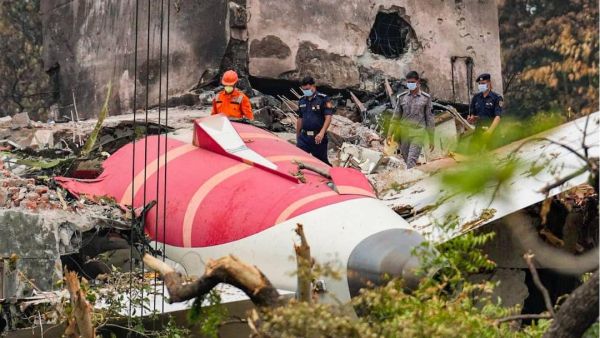
As the first anniversary of the Air India Boeing 787 crash in Ahmedabad approaches, investigators are still grappling with crucial unanswered questions about what caused one of the deadliest aviation disasters in recent years.
India’s Aircraft Accident Investigation Bureau (AAIB) is set to miss the formal one-year deadline for publishing its final report into the crash that claimed 260 lives. According to Bloomberg, the delay comes as critical technical examinations, including an extensive analysis of the aircraft’s engines in the United States, remain incomplete.
Instead of a final determination, the AAIB is expected to release a status update this week detailing the progress of the investigation and explaining why additional time is required. Officials now expect the final report to be completed within the next three months.
Engine Analysis Continues in United States
The investigation has involved close coordination with international aviation agencies and major aerospace manufacturers. Among those assisting are the US National Transportation Safety Board (NTSB), Boeing and GE Aerospace.
A significant part of the probe remains focused on the aircraft’s engines, which are undergoing detailed examination in the United States. Officials have said the work is being conducted there because specialised facilities and equipment are needed to dismantle and inspect key engine components.
Investigators are analysing the engines and associated systems in an effort to determine whether mechanical, electrical or other technical factors contributed to the crash.
Fuel Switch Mystery Remains Central to Probe
A preliminary report released last year revealed a critical finding that has become central to the investigation. According to the report, both engine fuel control switches moved from the ‘RUN’ position to ‘CUTOFF’ moments after take-off.
The movement of the switches cut off fuel supply to both engines, causing them to shut down. Investigators also highlighted a brief cockpit exchange between the pilots that appeared to indicate confusion over how the switches had been moved.
That finding has fuelled continuing debate over whether the incident was the result of pilot action, a technical malfunction or another factor that has yet to be identified.
Focus on Emergency Power System
Another key area under scrutiny is the aircraft’s Ram Air Turbine (RAT), an emergency system designed to deploy automatically when an aircraft experiences a significant loss of power.
Experts believe the timing of the RAT's deployment could provide important clues about the sequence of events that unfolded in the final moments of the flight.
Investigators are examining whether an electrical failure may have played a role and how the activation of the emergency system aligns with other data recovered from the aircraft.
Deadly Crash Shocked Aviation Industry
The London-bound Air India flight AI-171 crashed shortly after taking off from Ahmedabad’s Sardar Vallabhbhai Patel International Airport on June 12 last year.
The aircraft struck a medical college hostel complex, killing 241 people on board and 19 people on the ground. Only one passenger survived the disaster.
The scale of the tragedy sent shockwaves through the aviation industry and prompted an intensive multinational investigation aimed at establishing exactly what happened and preventing similar accidents in the future.
-
Riteish Deshmukh-Farah Khan reached Lock Up! Fans were shocked to see inside the jail. Lock Upp Season 2 Teaser Farah Khan Riteish Deshmukh Kangana Ranaut Replaced Netflix Show

-
Kerala Lottery Karunya Plus KN-627 Result Today: Rs 1 Crore Jackpot; Check Draw Time and Details

-
Nipah Virus in India: It’s Back In Kozhikode, Man Tests Positive In Initial Report

-
Hai Jawani Toh Ishq Hona Hai Day 6 Box Office: Varun Dhawan's Rom-Com Crosses Rs 50 Crore Worldwide

-
This actress built Rs 180 crore business empire by selling this Rs 10 product, worked in hit shows, name is…