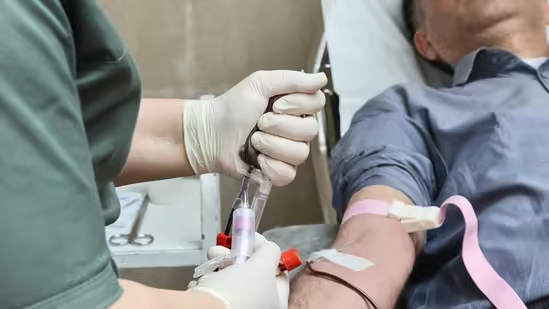
Blood donation is often called one of the simplest ways to save lives. Every day, hospitals rely on donated blood to help accident victims, surgery patients, cancer patients, women facing childbirth complications, and individuals suffering from various blood disorders. In fact, a single blood donation can potentially help save up to three lives.
Despite its importance, many people remain hesitant to donate blood due to fears and misconceptions about its effects on health. Experts say that most of these concerns are based on myths rather than scientific facts.
Is Blood Donation Safe?
According to health experts, blood donation is generally safe for healthy individuals. Before anyone is allowed to donate, basic health checks are performed, including blood pressure, haemoglobin levels, body weight, and overall fitness assessment. These screenings help ensure that the donation process is safe for both the donor and the recipient.
The human body is remarkably capable of recovering after blood donation. Plasma, the liquid component of blood, is usually replenished within 24 to 48 hours. Red blood cells take a few weeks to fully regenerate, but this process occurs naturally without causing long-term health issues.
Can Blood Donation Benefit Health?
Some research suggests that regular blood donation may help maintain healthy iron levels in the body. Excess iron accumulation has been linked to oxidative stress, which can affect overall health. However, experts emphasize that blood donation should not be viewed as a treatment or preventive measure for medical conditions. Its primary purpose remains helping patients in need.
Common Blood Donation Myths Debunked
Myth 1: Blood Donation Causes Permanent Weakness
One of the most widespread misconceptions is that donating blood makes a person weak for a long time.
In reality, most healthy donors return to their normal activities within a few hours. Drinking plenty of fluids, eating a nutritious meal, and taking a short period of rest after donating are usually enough to support recovery.
Myth 2: Blood Donation Causes Weight Loss or Weight Gain
Many people believe that donating blood affects body weight.
Experts clarify that blood donation does not cause significant weight loss or weight gain. Any changes in body weight after donation are usually temporary and to fluid balance rather than fat loss or gain.
Myth 3: Blood Donation Weakens Immunity
There is no scientific evidence to suggest that donating blood lowers immunity or makes a person more vulnerable to infections and diseases.
Healthy individuals can safely donate blood without compromising their immune system.
Myth 4: Blood Donation Increases the Risk of Infection
Modern blood donation centres use sterile, single-use equipment for every donor. Because all needles and collection materials are used only once and then discarded, the risk of contracting an infection through blood donation is extremely low.
Who Can Donate Blood?
While eligibility criteria may vary slightly between countries and blood banks, healthy adults between the ages of 18 and 65 are generally eligible to donate blood if they meet the required weight and haemoglobin standards.
Certain medical conditions, medications, or recent illnesses may require individuals to postpone donation temporarily. Anyone unsure about their eligibility should consult healthcare professionals at a certified blood donation centre.
Why Blood Donation Matters
Blood cannot be manufactured in a laboratory, making voluntary donations essential for healthcare systems worldwide. Every donation contributes to maintaining adequate blood supplies for emergencies and life-saving treatments.
By understanding the facts and moving beyond common myths, more people may feel confident about donating blood and helping those whose lives depend on it.
Disclaimer: This article is for informational purposes only and should not be considered medical advice. Individuals should consult healthcare professionals regarding their personal eligibility for blood donation.
-
Manchester United reportedly eye free transfer for Leeds United goalkeeper Karl Darlow

-
FIFA World Cup 2026 sets new records in attendance and viewership as USMNT, Mexico, and Canada spark unprecedented enthusiasm

-
Thecha Pulav: Give Everyday Rice a Hot Twist; Make Zanjani Thecha Pulao, ready in just 20 minutes, note the recipe
-
Is Nothing Phone 4b Coming?

-
Tecno Camon Slim launch confirmed for June 21: design, specs, and color options