New Delhi: World Environment Day, observed annually on June 5, serves as a reminder that protecting the environment begins with everyday choices. While governments and organisations play an important role in addressing environmental challenges, meaningful change can also start at home. Teaching children simple, sustainable habits from a young age helps them develop a lifelong sense of responsibility towards nature. Small actions, when practised consistently, can shape behaviour and encourage mindful use of resources.
There are many easy ways to introduce environmental awareness into a child’s daily routine. These activities do not require expensive materials or major lifestyle changes. Instead, they help children understand the impact of their actions while making sustainability a natural part of everyday life. Here are some simple eco-friendly habits children can start learning at home today.
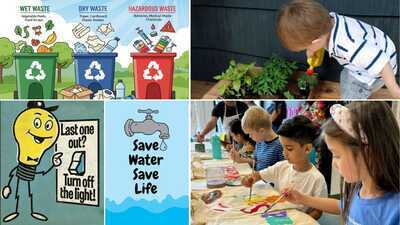
Eco habits for children Set up waste segregation binsCreate separate bins for dry waste, wet waste and recyclable materials. Using colourful labels can make the activity more engaging for children. Over time, they learn the importance of proper waste disposal and recycling.
Turn saving electricity into gameEncourage children to switch off lights, fans and other appliances when they leave a room. Giving them a fun role such as “Energy Captain” can make the habit enjoyable while teaching the value of conserving electricity.
Encourage creative reuseKeep old cartons, ribbons, newspapers and packaging materials aside for craft projects. Reusing household items for art and school activities helps children understand that many objects can serve a purpose before being discarded.
Teach mindful water useSimple routines can help children appreciate the importance of water conservation. Encourage them to turn off taps while brushing their teeth and avoid wasting water during daily activities.
Start small home gardenGrowing herbs, flowers or vegetables in pots allows children to interact with nature regularly. Reusing old containers, jars or bottles as planters also introduces the concept of upcycling in a practical way.
Choose nature-based learningBooks, documentaries and educational programmes focused on wildlife, plants and the environment can spark curiosity in young minds. Such resources help children understand environmental issues in an age-appropriate manner.
Make reusable bags togetherTransform old T-shirts or pieces of fabric into reusable shopping bags. Children can decorate them with colours or drawings and use them during family shopping trips, helping reduce dependence on single-use plastic bags.
Even the smallest eco-friendly habits can leave a lasting impression when introduced early. By making sustainability part of daily life, parents can help children grow into environmentally responsible individuals who value and protect the world around them.
-
Spain Held to 1-1 Draw by Iraq in FIFA World Cup 2026 Warm-Up Clash

-
Russia vs Burkina Faso Score Prediction, Head-to-Head and Stats for the 2026 International Friendly

-
Hungary vs Finland: Score Prediction, Head-to-Head, and Stats Ahead of 2026 Friendly Clash

-
Netherlands' Game Changers for the 2026 World Cup: The End of Ronald Koeman’s Old Guard Romance

-
Moldova vs Bulgaria Score Prediction, Head-to-Head and Stats for the 2026 Friendly Match