Planet Football
·3 June 2026
We now move into the upper half of the 2026 FIFA World Cup kit rankings, and this is where things get truly impressive. Even the ones marred by those awkward adidas stripes still manage to stand out.
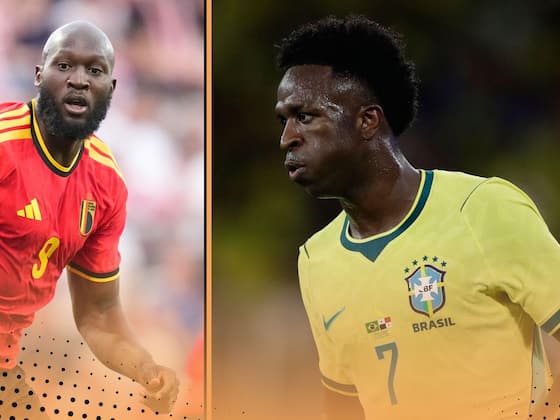
It’s nearly impossible to go wrong with Brazil’s home kit—an iconic design that Nike has wisely chosen not to disrupt. The traditional canary yellow base paired with a clean green round collar channels the spirit of 1970. Everything feels just right here.
There’s also a touch of teal-like blue included, which is a daring choice, but it ties nicely with the lighter mid-blue shorts, resulting in a cohesive and balanced look.
The kit itself is perfectly executed, but the nameset is a different story—it’s dreadful. All we ask is for names and numbers to be clear, legible, and appropriately coloured. That’s literally their only job, yet it’s astonishing how often manufacturers manage to get it wrong.
Belgium returns to its signature fiery red after the 2024 misstep of experimenting with redcurrant and gold. It’s a welcome correction. The tulip and flame pattern might sound unusual for a football shirt, but the combination works wonderfully, creating a suitably devilish aesthetic.
This time, the flashy gold has been replaced with a subtler tone that looks far better. Overall, it’s a fantastic kit, though the inevitable adidas stripes again interrupt the flow. We wish we didn’t have to mention them, but they remain impossible to ignore.
It’s still a bit sad to see Umbro represented by just one team at the World Cup, but credit where it’s due—they’ve done that team proud. The collection looks strong, and the home shirt stands out as both the most creative and the best of the bunch. Normally, we’re not fans of gradient fades, but here, the fade into and out of the central animal print works beautifully.
The secret? They resisted the urge to introduce a second shade of blue. Sticking to a single blue tone and fading gently into white gives the shirt a refined, classy feel—an impressive achievement for a gradient design, which is rarely subtle or elegant.
We also appreciate the inclusion of the national flag beside the manufacturer’s logo and the Football Association badge. Done tastefully, it looks correct—quietly patriotic without being over the top. After all, players represent their country, not just the FA. The only downside is the lack of space for the front number, as the flag’s placement makes it impossible to position the number high enough without disrupting the main design.
Haiti’s kits, produced by Colombian brand Saeta, are bold and full of national pride—a fitting tribute for their first World Cup appearance in 52 years. The standout feature is the large graphic of the nation’s independence heroes raising the flag, framed by a classic V-neck collar. The same template appears across the white away and red third kits, and rightly so.
There’s something deeply authentic about smaller nations embracing patriotic designs like this. It feels natural for Haiti, but the same approach would feel heavy-handed for larger nations. Imagine the USA’s version—camouflage everywhere and exaggerated slogans—or England’s version plastered with poppies. Neither would make it into the top rankings.
Puma’s latest effort is another solid showing. The cat logo appears both on the chest and shoulders this time, which is debatable, but the rest of the design works well. The simple crossover round collar and the balanced use of green and orange are effective. The animal print is subtle enough to maintain sophistication. It gives off a slight ‘Sweden away’ vibe, but that’s hardly a criticism.
The two shades of blue complement each other perfectly around the collar, and the wave pattern on the sleeves would have been ideal—if not for those oversized adidas stripes again spoiling the flow. It’s frustrating. Curacao’s yellow away kit, with its beautifully executed three-colour stripes, has rightly drawn attention, though it won’t feature at the World Cup since they’ll be wearing their blue home kit in all group matches.
Puma has been more restrained with their large graphics this year, but Egypt’s kit makes a strong statement. The pyramid motif is a brilliant choice—there’s nothing more fitting. (Although, a giant image of Mohamed Salah’s face would have been entertaining.)
Colombia’s adidas kit would easily rank among the top five if not for those stripes. The yellow butterfly pattern woven into the fabric pays homage to the works of Gabriel Garcia Marquez and looks stunning. The classic yellow, blue, and red combination, paired with a neat collar and cuffs, delivers everything you expect from a Colombia kit. With such perfect ingredients, adidas really had to try hard to spoil it—and somehow, they managed.
Italian influence will be present at the World Cup through Tunisia’s home kit, designed by Kappa. The feather-patterned sleeves might divide opinion, but we’re firmly in favour. If any team can wear feathers with pride, it’s the Eagles of Carthage. The red away version follows the same strong design, while the experimental black third kit misses the mark completely.
Reebok’s design evokes pure nostalgia, reminiscent of a Division One kit from around 1997—and that’s a compliment. There’s no unnecessary flair here, just solid design choices: a neat collar, bold white side panels, thoughtful piping, and three-colour cuffs. For those wondering, yes—there’s a white third kit that looks exactly like something Bolton Wanderers would have worn during the Sam Allardyce era.
Uzbekistan’s decision to stay loyal to local brand 7Saber has paid dividends. Their kit draws inspiration from the nation’s architectural heritage, beautifully executed with detailed linework and a collar incorporating flag colours. Smart piping along the sleeves completes the look. It’s a refined, elegant design worthy of their debut on the global stage. Their away kit, essentially a colour-reversed version of the home, works just as well—proof that simplicity often succeeds.
Interestingly, some fans have noted that the fabric 7Saber used looks remarkably similar to the three-stripe material employed by adidas for other World Cup kits, though that’s likely a coincidence.
Puma’s Senegal kit embraces the bold graphic trend to great effect. The design draws inspiration from Dakar’s hand-painted ‘car rapide’ minibuses, blending cultural authenticity with artistic flair. The faded, hand-painted aesthetic works beautifully, avoiding the forced feeling that often plagues such concepts. It’s not flawless, but Puma’s overall showing this tournament has been commendable and long overdue.
-
Manchester United Ready to Spend Rp847 Billion to Sign Borussia Dortmund Defender
-
India’s Road to the FIFA World Cup: What Must Change for the Dream to Become Reality?

-
Public Viewing Venues for the 2026 World Cup Prepared by Samarinda City Government – Check the Complete Schedule Here
-
BPBD Siantar Secretary Amri Hasibuan Picks Portugal to Win the 2026 World Cup

-
Review: In 'Maa Behen', the joys of misbehaving women