
Disadvantages of eating eggs in summer
Disadvantages of eating eggs in summer: Many people avoid eating eggs in summer. They believe that egg increases heat in the body, which causes excessive sweating and feeling tired. But is it correct? Let’s discuss this. In fact, eating eggs in summer is not only safe, but it is also beneficial. This is an old belief which is scientifically wrong.
Is eating eggs in summer harmful for health?
Egg is an excellent source of protein. It contains high quality protein, nutrients like Vitamin A, B12, D, selenium and choline. In summer, the body needs more energy and muscles, in such a situation egg can be a good option.
Dieticians say that eggs can be eaten in any season. The feeling of heat is due to the time it takes for the egg to digest. Egg is a heavy food, so the body requires more energy to digest it. This is why some people consider it ‘hot’ even though it does not actually increase body temperature.
Benefits of eating eggs in summer
Good supply of protein: Due to excessive sweating in summer, the body’s need for protein increases, and egg fulfills it easily.
Immunity strengthened: Eggs are rich in vitamins and minerals, which help in preventing diseases.
curb weight: Boiled egg is low in calories and controls appetite.
Good for eyes and brain: Elements like lutein and choline improve eyesight and memory.
How to eat eggs in summer?
The best way is to eat boiled eggs. It can be taken in morning breakfast, with salad or as an evening snack. Make fewer fries or omelettes, as excess oil can increase the heat. Don’t add too many spices. Quantity: A healthy person can comfortably eat 1-2 eggs a day. Eating too much can cause heavy stomach or digestive problems.
-
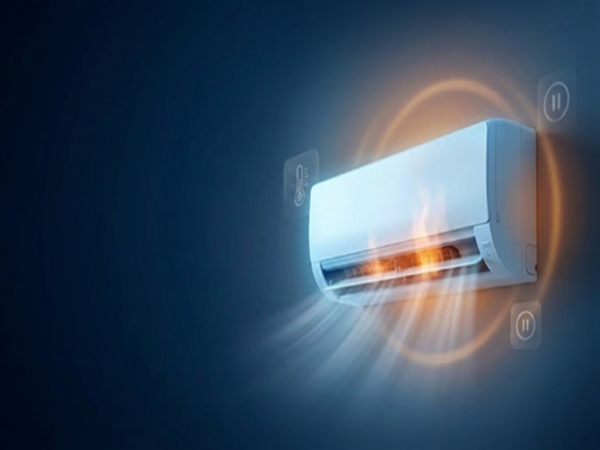
AC Blast: Frequent Shut-downs or a Burning Smell? These Are the Warning Signs Before an AC Explodes—Never Ignore Them..
-
QR Scam: How to Protect Yourself from the Rapidly Spreading Quishing Scams of 2026..

-
Cell Broadcast: What is the technology that causes everyone's mobile phones to ring simultaneously when an alert arrives?

-
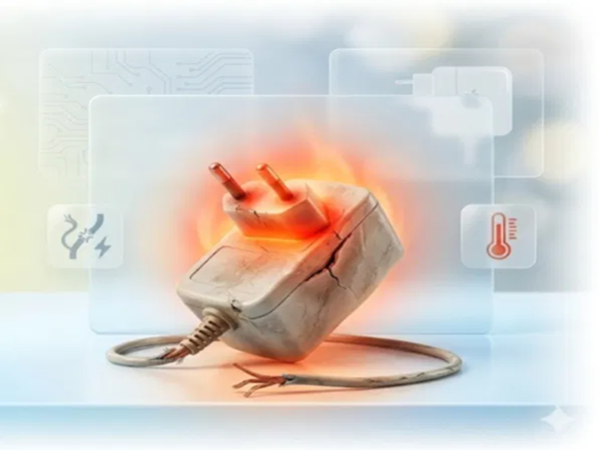
Safety Tips: Can a Wi-Fi Router Explode Just Like an AC? Never Make These Mistakes to Stay Safe..
-
Report: Youth Hooked on Reels, Women Lead in Shopping! What Are Indians Doing Most on Their Smartphones?