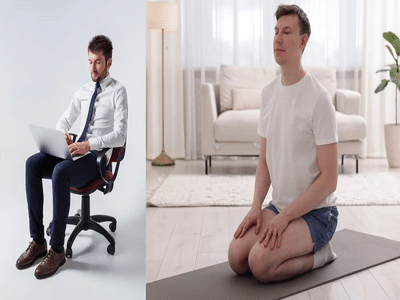
As cancer cases continue to rise worldwide, health experts are paying closer attention to lifestyle factors that may contribute to the disease. While smoking, alcohol consumption, and genetic factors have long been recognized as major risks, researchers are now highlighting another concern that affects millions of office workers every day—prolonged sitting.
Modern work culture has made sedentary lifestyles increasingly common. Many professionals spend eight to twelve hours a day sitting at desks, attending virtual meetings, working on computers, or using smartphones. Although this routine may seem harmless, growing evidence suggests that excessive sitting can negatively impact overall health and may be associated with an increased risk of certain cancers and chronic diseases.
Research Points to Health Risks of Sedentary BehaviorSeveral studies have examined the effects of prolonged sitting on human health. Researchers have found that spending extended periods in a seated position without adequate physical activity may increase the likelihood of developing various health conditions.
According to scientific findings, sedentary behavior has been linked to a higher risk of certain types of cancer, including:
- Colorectal cancer
- Endometrial cancer
- Lung cancer
The risk appears to be greater among individuals who spend most of their day sitting and engage in little or no regular physical activity.
Experts emphasize that sitting itself is not necessarily harmful. The concern arises when long periods of inactivity become a daily habit and are not balanced with movement and exercise.
Why Prolonged Sitting Can Be HarmfulThe human body is designed for movement. When a person remains seated for several hours at a stretch, various physiological changes begin to occur.
These changes may include:
- Slower metabolism
- Reduced calorie burning
- Poor blood circulation
- Increased fat accumulation
- Lower muscle activity
Over time, these effects can contribute to weight gain, insulin resistance, and chronic inflammation—factors that have been associated with several serious diseases.
Health professionals note that inactivity can influence hormone levels and metabolic processes, which may create conditions that increase long-term health risks.
More Than Just Cancer: Other Health ConcernsThe effects of excessive sitting extend beyond cancer risk.
Research has also linked sedentary lifestyles to:
ObesityRemaining inactive for long periods reduces energy expenditure, making it easier for excess calories to be stored as body fat.
Type 2 DiabetesReduced physical activity can affect how the body processes glucose, increasing the risk of insulin resistance and diabetes.
Heart DiseasePoor circulation and a lack of regular movement may contribute to cardiovascular problems over time.
Musculoskeletal IssuesExtended sitting can cause back pain, neck strain, poor posture, and stiffness in muscles and joints.
These health concerns make regular movement an important part of maintaining overall well-being.
Why Office Workers Are Particularly VulnerableThe rise of digital workplaces has dramatically changed daily routines. Many employees spend most of their working hours sitting in front of screens with limited opportunities for physical activity.
Remote work has further increased this trend, as many people now spend additional hours seated at home without commuting or moving between meetings.
As a result, health experts encourage workers to make conscious efforts to stay active throughout the day rather than relying solely on occasional exercise sessions.
Simple Ways to Reduce the RiskFortunately, experts say that small lifestyle adjustments can make a significant difference.
Some practical steps include:
Take Regular Movement BreaksStand up, walk around, or stretch for a few minutes every hour.
Avoid Sitting ContinuouslyTry not to remain seated for several hours without interruption.
Exercise ConsistentlyAim for regular physical activity such as walking, jogging, cycling, swimming, or gym workouts.
Maintain a Healthy DietA balanced diet rich in fruits, vegetables, whole grains, and lean proteins can support overall health.
Stay Active Outside WorkIncorporate activities such as evening walks, recreational sports, or outdoor hobbies into your daily routine.
Manage Body WeightMaintaining a healthy weight can help reduce the risk of several chronic illnesses.
The Bottom LineWhile sitting for long periods does not directly cause cancer on its own, research suggests that a sedentary lifestyle may contribute to a higher risk of certain cancers and other serious health conditions. Combined with poor dietary habits and a lack of physical activity, prolonged sitting can have a significant impact on long-term health.
For office workers and remote employees, the solution may be surprisingly simple: move more throughout the day. Regular activity, short walking breaks, and an active lifestyle can help counter the effects of prolonged sitting and support better overall health in the years ahead.
-
Cesena Goalkeeper Jonathan Klinsmann Suffers Broken Neck, Ruled Out of 2026 World Cup

-
World Cup 2026 Play-Offs: Complete Overview as Wales, Northern Ireland, and Republic of Ireland Chase Qualification Glory

-
Gary Lineker lists three clubs ahead of Arsenal, saying Premier League champions are just outside Europe’s ‘wonderful football’ circle

-
Manchester United Goalkeeper Senne Lammens Wins Premier League Transfer of the Season Honour

-
Police denies permission for Pawan Kalyan’s Hyderabad sabha