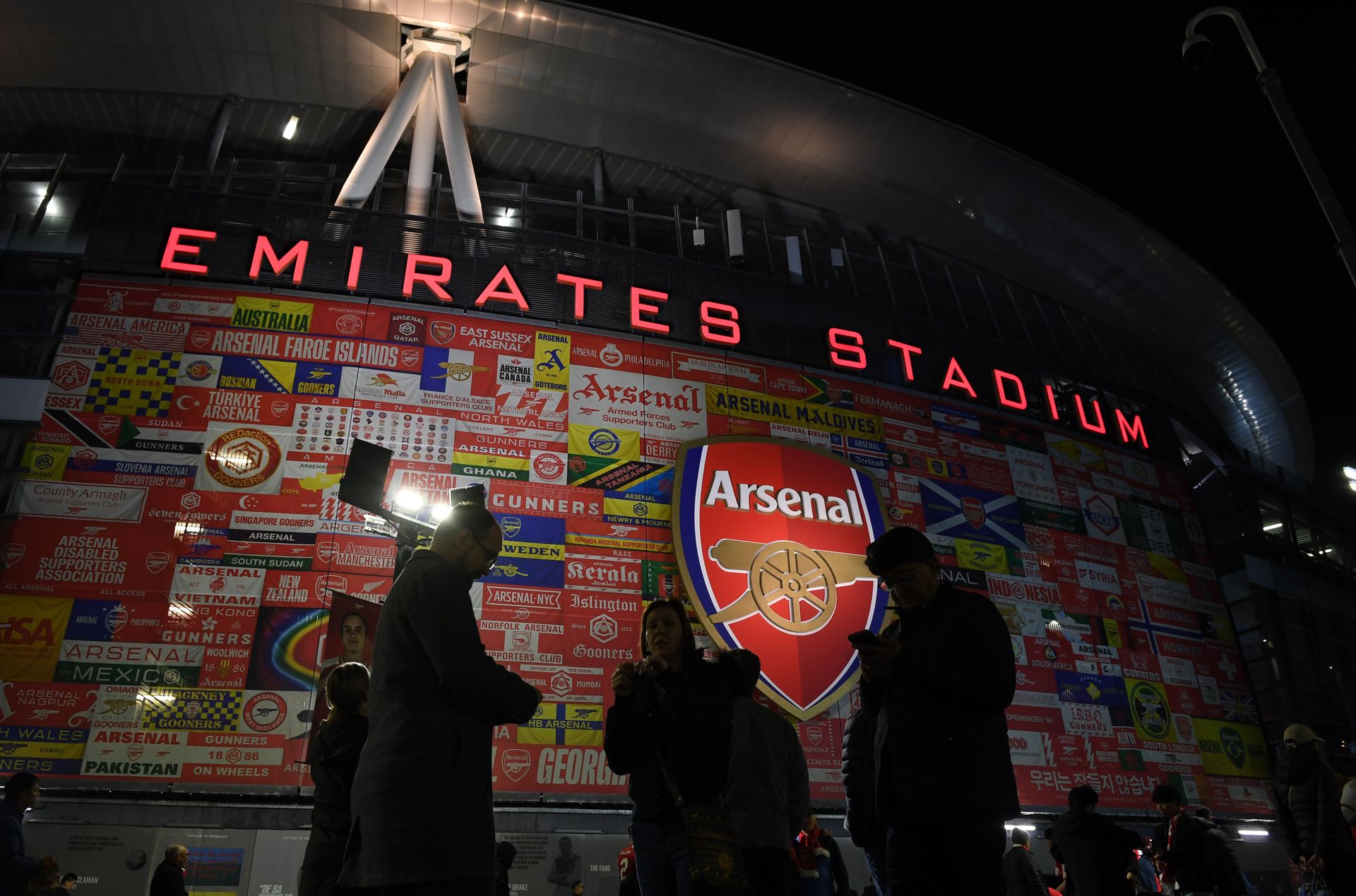
Arsenal are preparing to invest more in expanding the Emirates Stadium than what it originally cost to construct.
The Emirates Stadium, one of England’s largest football arenas and only two decades old, is set for a major modernisation as Arsenal plan to upgrade the venue significantly.
The club relocated from Highbury to the Emirates in 2006, with the new ground setting a benchmark for football stadiums in the 21st century.
Following their Premier League title win, Arsenal now intend to add approximately 20,000 seats to the current capacity of 60,704. The expansion is expected to cost around £500 million.
Club owner Stan Kroenke recently spoke about the renovation plans, noting: “There’s some character that I want to make sure we’re preserving and bringing back to the ground as well. I think we can do that in a very elegant manner that’s really to the benefit of Arsenal.
We do this kind of work in the United States with our facilities and teams. We take great pride in it, so I think we have a chance to come over and really give Arsenal supporters an elevated matchday experience from where they are right now.”
Although no formal approval has been granted yet, Josh Kroenke has confirmed that discussions are taking place, led by chief executive Richard Garlick.
With 100,000 fans currently on the season ticket waiting list, Arsenal view this expansion as a potentially lucrative long-term investment. However, the motivation extends beyond just financial gain.
What was considered state-of-the-art in 2006 has since been surpassed by more modern stadiums — most notably Tottenham Hotspur’s new ground located less than four miles away. This has increased competition for hosting events beyond football, such as conferences, concerts, and combat sports.
So, what makes Arsenal’s redevelopment so expensive? YouTuber Sabrina Builder broke down the reasoning in a detailed analysis, explaining why the proposed expansion could surpass the original £390 million construction cost.
The main challenge lies in the stadium’s original design. The Emirates Stadium was built on a very restricted site and was never intended for expansion.
This means the structure prioritised efficient use of space over future adaptability, making any addition of new seating a highly complex task.
As outlined in the analysis, Arsenal have three potential options:
1. Add a new tier on top, which would demand extensive structural modifications, including removing and reinstalling the roof.
2. Lower the pitch level and install more seats below the existing lower tier — a difficult process given the underground tube lines and sewers near the site.
3. Alter the seating angle of the current stands to make them steeper, thereby fitting in additional rows.
Each option would also require corresponding upgrades to infrastructure, including transportation, facilities, and security systems.
Additionally, Arsenal would have to engage in detailed negotiations with Islington Council and local communities, likely agreeing to fund nearby improvements in exchange for planning approval.
Experts estimate that acquiring the necessary permissions alone could take up to five years before any construction begins.
Whichever route Arsenal pursue, they would probably need a temporary venue during the works. Wembley Stadium is the most plausible option, similar to Tottenham’s arrangement during their own stadium rebuild, though this would also require a formal agreement.
-
Six factors that could help Brighton upset Man City and lift the Women's FA Cup title

-
Enzo Fernandez set to file transfer request as Chelsea saga intensifies

-
Julian Nagelsmann’s Tattoo Promise? Germany Coach Faces Friendly Bet After Raum’s World Cup Revelation

-
SIR poses threat to votes of migrant workers, Telangana CM cautions

-
Over 18K Gurukul seats filled in Phase 1 admissions in Telangana
