For some women, periods are manageable. For others, however, those couple of days of each month are enough to throw their whole life off track. They struggle to be comfortable while sitting or lying down, to get decent sleep, to eat properly, or even to focus on work. However, for many girls, this is just “part of being a woman.” The truth is, while cramps are common, suffering silently shouldn’t be.
Home Remedies Many Women Still Rely On
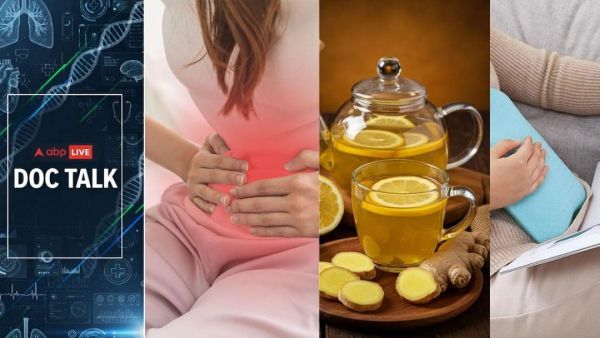
One of the most common sources of relief is warmth. This includes applying a hot water bottle or a heating pad to the lower abdomen to ease the tightness from the cramps. A lot of women also drink ajwain water during their periods. It’s one of those remedies passed down at home because it often helps with bloating and stomach discomfort. Ginger tea is another common fix. Some women find it soothing, especially when cramps are accompanied by nausea or heaviness. Apart from this, rest matters more than people realise. Lack of sleep, stress, dehydration, and skipping meals can sometimes make cramps feel worse.
Medicines That Are Commonly Used
When the pain becomes difficult to handle, many women take medicines like Meftal, Brufen, or ibuprofen-based tablets. These are usually used to reduce the chemicals in the body that trigger pain and inflammation during periods. Some women experience cramps more like sudden spasms than constant pain. In such cases, medicines that also relax muscles may work better.
Paracetamol is another option people often take for mild pain or body aches during periods. It may help in some cases, though stronger cramps often need something more effective. However, relying on medication alone as a method of dealing with monthly pains without first understanding their cause is not considered to be a good practice.
When You Should Stop Ignoring The Pain
It is quite normal to experience cramping, but chronic pain interfering with your everyday activities monthly is definitely a matter of concern. If your periods tend to interfere with your work, studies, sleeping, and other regular chores every month, then you need to visit your doctor. Conditions such as endometriosis, fibroids, and PCOS often go unnoticed for years because females are trained to tolerate pain during their periods. However, chronic pain should never be neglected. It is always best to follow what your body tells you and consult an expert.
Every woman’s body responds differently, so relief also looks different for everyone. Some feel better with home remedies, some need medication, and some may require medical treatment. What matters most is not dismissing the pain or forcing yourself to simply “deal with it” every month.
Disclaimer: The information provided in the article is shared by experts and is intended for general informational purposes only. It is not a substitute for professional medical advice, diagnosis, or treatment. Always seek the advice of your physician or other qualified healthcare provider with any questions you may have regarding a medical condition.
-
Woman in Singapore spotted cleaning windows from outside ledge of 24th-floor apartment

-
Traveling alone by flight for the first time, know important safety tips

-
Before throwing away expired makeup products, know these smart hacks, they will be useful for many household purposes…
-
Woman Who Works For The Wealthy Says Their Recent Behavior Is A Red Flag For The Economy

-
5 Zodiac Signs Experiencing The Best Horoscopes All Month In June 2026