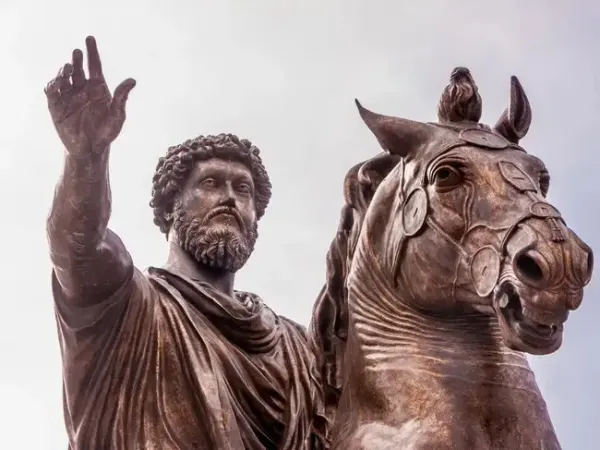
Roman emperor and Stoic philosopher Marcus Aurelius continues to be remembered not just for ruling Rome, but for the deeply personal thoughts he left behind in Meditations. His writings about patience, discipline, responsibility, and human behavior still connect with modern readers dealing with stress, conflict, and frustration in everyday life. One of his most widely shared reflections speaks about learning to work with people instead of resenting them for their flaws and ignorance.
The wuote of the day by Marcus Aurelius goes: “When you wake remember you were born to work with other, not to resent them for their flaws or ignorance.”
The quote is often understood as a reminder to begin the day with patience instead of irritation. Marcus Aurelius believed that human beings are naturally meant to live and function together. In his writings, he repeatedly reminded himself that people would sometimes behave selfishly, rudely, or unfairly, but reacting with bitterness would only create more unhappiness. Instead of expecting perfection from others, he believed people should accept that flaws and ignorance are part of human nature.
The line also reflects one of the central ideas of Stoic philosophy, which teaches people to focus on controlling their own thoughts and actions rather than becoming consumed by the behavior of others. Marcus Aurelius wrote this as a personal morning reflection in Meditations, particularly in Book 2, Section 1. In that passage, he prepared himself mentally for difficult encounters during the day and reminded himself that cooperation matters more than resentment. He compared human beings to parts of the same body working together, saying people are designed to help one another rather than fight constantly over weaknesses and mistakes.
From a young age, Marcus Aurelius developed a strong interest in philosophy. He was heavily influenced by Stoicism, a philosophical tradition founded in Athens that focused on reason, self-control, virtue, and emotional resilience. Stoic thinkers believed that external things such as wealth, fame, or public praise should never control a person’s peace of mind. Instead, character and moral conduct mattered most.
His education was guided by important teachers, including the rhetorician Fronto. However, Marcus Aurelius eventually became more interested in philosophy than public speaking. He was deeply influenced by the teachings of the Stoic philosopher Epictetus, whose ideas shaped much of his thinking later in life.
Marcus spent many years preparing for leadership while learning the responsibilities of administration and public service. He married Annia Galeria Faustina, the daughter of Antoninus Pius, and slowly took on larger political duties. When Antoninus Pius died in 161 CE, Marcus Aurelius became emperor alongside Lucius Verus in what became the first formally shared rule in Roman imperial history.
Although Lucius Verus held equal status officially, much of the responsibility of governing reportedly fell on Marcus Aurelius. His reign faced major challenges almost constantly, including wars, invasions, rebellions, financial pressure, and a deadly plague that spread across the empire.
Despite these difficulties, Marcus Aurelius continued to lead military campaigns personally. Historical accounts describe him spending years near battlefronts instead of remaining comfortably in Rome. During these campaigns, he is believed to have written large portions of Meditations, which was never originally intended for publication. The writings were more like private notes and reminders to himself.
Many readers today find that interesting because the book does not sound like political propaganda or royal speeches. Instead, it often reads like a man quietly trying to manage stress, fear, responsibility, exhaustion, and disappointment while carrying enormous pressure.
The writings repeatedly discuss self-discipline, humility, duty, mortality, and emotional control. Marcus Aurelius often reminded himself not to become arrogant during success or hopeless during hardship. He also reflected regularly on how temporary human life is and why people should focus more on good actions than on reputation or anger.
Unlike philosophers such as Plato or Aristotle, Marcus Aurelius was not mainly known for creating entirely new philosophical systems. Instead, many scholars believe his importance comes from how he tried to apply philosophy directly to real life while managing the burdens of leadership.
Even today, Meditations remains one of the most widely read books connected to Stoic philosophy. Modern readers, business leaders, athletes, psychologists, and self-help writers continue to discuss its lessons about resilience and mental discipline.
The wuote of the day by Marcus Aurelius goes: “When you wake remember you were born to work with other, not to resent them for their flaws or ignorance.”
The quote is often understood as a reminder to begin the day with patience instead of irritation. Marcus Aurelius believed that human beings are naturally meant to live and function together. In his writings, he repeatedly reminded himself that people would sometimes behave selfishly, rudely, or unfairly, but reacting with bitterness would only create more unhappiness. Instead of expecting perfection from others, he believed people should accept that flaws and ignorance are part of human nature.
The line also reflects one of the central ideas of Stoic philosophy, which teaches people to focus on controlling their own thoughts and actions rather than becoming consumed by the behavior of others. Marcus Aurelius wrote this as a personal morning reflection in Meditations, particularly in Book 2, Section 1. In that passage, he prepared himself mentally for difficult encounters during the day and reminded himself that cooperation matters more than resentment. He compared human beings to parts of the same body working together, saying people are designed to help one another rather than fight constantly over weaknesses and mistakes.
The man behind the quote
Marcus Aurelius was born in Rome in 121 CE as Marcus Annius Verus. He later became known as one of the “Five Good Emperors” of Rome and ruled from 161 to 180 CE. Historians and philosophers often describe him as the last major Stoic philosopher of ancient times. Though he was born into privilege and political influence, many accounts describe him as someone who preferred discipline and simplicity over luxury.From a young age, Marcus Aurelius developed a strong interest in philosophy. He was heavily influenced by Stoicism, a philosophical tradition founded in Athens that focused on reason, self-control, virtue, and emotional resilience. Stoic thinkers believed that external things such as wealth, fame, or public praise should never control a person’s peace of mind. Instead, character and moral conduct mattered most.
His education was guided by important teachers, including the rhetorician Fronto. However, Marcus Aurelius eventually became more interested in philosophy than public speaking. He was deeply influenced by the teachings of the Stoic philosopher Epictetus, whose ideas shaped much of his thinking later in life.
How Marcus Aurelius became emperor
Marcus Aurelius did not become emperor through direct inheritance in the usual way. Roman Emperor Hadrian arranged a succession plan that eventually led to Antoninus Pius becoming emperor, with the condition that Antoninus would adopt Marcus Aurelius and Lucius Verus as his sons and future successors.Marcus spent many years preparing for leadership while learning the responsibilities of administration and public service. He married Annia Galeria Faustina, the daughter of Antoninus Pius, and slowly took on larger political duties. When Antoninus Pius died in 161 CE, Marcus Aurelius became emperor alongside Lucius Verus in what became the first formally shared rule in Roman imperial history.
Although Lucius Verus held equal status officially, much of the responsibility of governing reportedly fell on Marcus Aurelius. His reign faced major challenges almost constantly, including wars, invasions, rebellions, financial pressure, and a deadly plague that spread across the empire.
A ruler during difficult times
The period of Marcus Aurelius’ reign was far from peaceful. Rome faced conflict with the Parthian Empire in the east and later dealt with invasions from Germanic tribes near the Danube frontier. At the same time, a devastating plague spread through the empire and weakened both the military and public morale.Despite these difficulties, Marcus Aurelius continued to lead military campaigns personally. Historical accounts describe him spending years near battlefronts instead of remaining comfortably in Rome. During these campaigns, he is believed to have written large portions of Meditations, which was never originally intended for publication. The writings were more like private notes and reminders to himself.
Many readers today find that interesting because the book does not sound like political propaganda or royal speeches. Instead, it often reads like a man quietly trying to manage stress, fear, responsibility, exhaustion, and disappointment while carrying enormous pressure.
The importance of Meditations
The philosophy of Marcus Aurelius survives mainly through Meditations, a collection of personal reflections written in Greek between roughly 170 and 180 CE. The work focuses on Stoic principles and practical ways to deal with life’s uncertainties.The writings repeatedly discuss self-discipline, humility, duty, mortality, and emotional control. Marcus Aurelius often reminded himself not to become arrogant during success or hopeless during hardship. He also reflected regularly on how temporary human life is and why people should focus more on good actions than on reputation or anger.
Unlike philosophers such as Plato or Aristotle, Marcus Aurelius was not mainly known for creating entirely new philosophical systems. Instead, many scholars believe his importance comes from how he tried to apply philosophy directly to real life while managing the burdens of leadership.
Even today, Meditations remains one of the most widely read books connected to Stoic philosophy. Modern readers, business leaders, athletes, psychologists, and self-help writers continue to discuss its lessons about resilience and mental discipline.