Quote of the Day by François de La Rochefoucauld: Love stories are often remembered for dramatic reunions, heartbreaking endings, or passionate declarations that survive against impossible odds. But centuries before modern films and novels explored the emotional complexity of relationships, French writer and philosopher François de La Rochefoucauld captured one painful truth about human connection in a single unforgettable sentence.
The quote remains one of the most powerful observations ever written about love, distance and emotional attachment. Even today, in a world driven by instant communication, social media and constant connection, La Rochefoucauld’s words continue to resonate because they reveal something uncomfortable but deeply human: distance does not create love. It exposes the strength of what was already there.
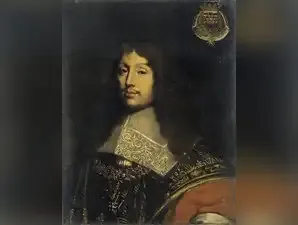
The line comes from a man who understood emotional contradiction better than most. La Rochefoucauld was not simply a philosopher writing abstract ideas about romance. He lived through political betrayals, shifting loyalties, heartbreak, war and exile during one of the most turbulent periods in French history. His experiences shaped the sharp and often brutally honest reflections that later made him famous through his celebrated work, Maximes.
La Rochefoucauld wrote, “Absence diminishes small loves and increases great ones, as the wind blows out the candle and fans the bonfire.”
At first glance, the quote appears simple. But its emotional depth becomes clearer the more people experience separation in real life. The metaphor is devastatingly precise. A weak flame disappears when the wind arrives, but a powerful fire becomes even stronger. In the same way, shallow affection often fades during distance, while genuine love survives and sometimes grows deeper.
That is what makes the quote timeless. It does not romanticise separation. It simply observes what separation reveals.
For many people, absence creates uncertainty. Calls become shorter, conversations lose energy, and emotional habits begin to disappear. Sometimes people realise that what they thought was love was only convenience, routine or temporary attraction. But in stronger relationships, distance can intensify emotional clarity. The missing person becomes more present in memory, thought and feeling precisely because they are no longer physically there.
The reason La Rochefoucauld’s quote still feels relevant centuries later is because it challenges comforting illusions about relationships. Many people believe love should remain unchanged regardless of circumstances. But the quote argues something far more realistic: true emotion is tested when comfort disappears.
Distance removes distraction. It exposes emotional foundations. That lesson applies far beyond romance. Friendships, family bonds and even loyalty between people are often revealed during absence, hardship or silence. Some relationships collapse quickly when daily interaction stops. Others endure despite years, borders or personal struggles.
La Rochefoucauld understood this because his own life was filled with unstable alliances and emotional disappointments. Born in Paris in 1613, he became deeply involved in the political conflicts of the Fronde, a period of rebellion against the French monarchy. He experienced war, betrayal, exile and personal loss before later becoming famous for his short philosophical reflections known as Maximes.
Unlike many writers of his era, he focused less on idealism and more on the hidden motives behind human behaviour. His writing explored vanity, pride, insecurity, ambition and emotional weakness with remarkable honesty. That honesty is exactly why his words still feel modern today.
The quote about absence is not cynical. It is observant. It reminds people that love is measured not only by passion during good times, but by emotional endurance during silence, separation and uncertainty. Anyone can feel attached when someone is constantly present. The harder test is what remains when they are gone.
In modern culture, relationships are often shaped by instant access. Messages arrive immediately. Photos, calls and updates create the illusion that nobody is ever truly absent anymore. Yet emotional distance still exists, and in some ways, it has become even more visible.
People now experience situationships, fading conversations, ghosting and emotional detachment despite constant digital contact. That is why La Rochefoucauld’s quote continues going viral online whenever discussions about heartbreak, loyalty or long-distance relationships appear.
The line captures a truth many people discover painfully: not every relationship survives time apart. At the same time, the quote also offers hope. Real love does not disappear easily. Like a bonfire strengthened by wind, meaningful relationships often become clearer during separation because people finally recognise the emotional value of what they nearly lost.
Over the centuries, La Rochefoucauld became known as one of France’s greatest moral writers. His influence reached major thinkers and authors including Friedrich Nietzsche, Stendhal and André Gide. Yet despite his intellectual reputation, many of his most enduring lines remain deeply personal and emotionally accessible.
Today, this particular quote continues to survive because it speaks to something universal. Not every connection is meant to last. But the ones that do often become stronger after enduring absence, silence and time. And perhaps that is the real power of La Rochefoucauld’s words. They remind us that distance does not always destroy love. Sometimes, it reveals whether the fire was ever real at all.
The quote remains one of the most powerful observations ever written about love, distance and emotional attachment. Even today, in a world driven by instant communication, social media and constant connection, La Rochefoucauld’s words continue to resonate because they reveal something uncomfortable but deeply human: distance does not create love. It exposes the strength of what was already there.
The line comes from a man who understood emotional contradiction better than most. La Rochefoucauld was not simply a philosopher writing abstract ideas about romance. He lived through political betrayals, shifting loyalties, heartbreak, war and exile during one of the most turbulent periods in French history. His experiences shaped the sharp and often brutally honest reflections that later made him famous through his celebrated work, Maximes.
Iconic quote by François de La Rochefoucauld
La Rochefoucauld wrote, “Absence diminishes small loves and increases great ones, as the wind blows out the candle and fans the bonfire.”
At first glance, the quote appears simple. But its emotional depth becomes clearer the more people experience separation in real life. The metaphor is devastatingly precise. A weak flame disappears when the wind arrives, but a powerful fire becomes even stronger. In the same way, shallow affection often fades during distance, while genuine love survives and sometimes grows deeper.
That is what makes the quote timeless. It does not romanticise separation. It simply observes what separation reveals.
For many people, absence creates uncertainty. Calls become shorter, conversations lose energy, and emotional habits begin to disappear. Sometimes people realise that what they thought was love was only convenience, routine or temporary attraction. But in stronger relationships, distance can intensify emotional clarity. The missing person becomes more present in memory, thought and feeling precisely because they are no longer physically there.
What does this quote teach us about love and emotional truth?
The reason La Rochefoucauld’s quote still feels relevant centuries later is because it challenges comforting illusions about relationships. Many people believe love should remain unchanged regardless of circumstances. But the quote argues something far more realistic: true emotion is tested when comfort disappears.
Distance removes distraction. It exposes emotional foundations. That lesson applies far beyond romance. Friendships, family bonds and even loyalty between people are often revealed during absence, hardship or silence. Some relationships collapse quickly when daily interaction stops. Others endure despite years, borders or personal struggles.
La Rochefoucauld understood this because his own life was filled with unstable alliances and emotional disappointments. Born in Paris in 1613, he became deeply involved in the political conflicts of the Fronde, a period of rebellion against the French monarchy. He experienced war, betrayal, exile and personal loss before later becoming famous for his short philosophical reflections known as Maximes.
Unlike many writers of his era, he focused less on idealism and more on the hidden motives behind human behaviour. His writing explored vanity, pride, insecurity, ambition and emotional weakness with remarkable honesty. That honesty is exactly why his words still feel modern today.
The quote about absence is not cynical. It is observant. It reminds people that love is measured not only by passion during good times, but by emotional endurance during silence, separation and uncertainty. Anyone can feel attached when someone is constantly present. The harder test is what remains when they are gone.
Why François de La Rochefoucauld’s words still resonate today
In modern culture, relationships are often shaped by instant access. Messages arrive immediately. Photos, calls and updates create the illusion that nobody is ever truly absent anymore. Yet emotional distance still exists, and in some ways, it has become even more visible.
People now experience situationships, fading conversations, ghosting and emotional detachment despite constant digital contact. That is why La Rochefoucauld’s quote continues going viral online whenever discussions about heartbreak, loyalty or long-distance relationships appear.
The line captures a truth many people discover painfully: not every relationship survives time apart. At the same time, the quote also offers hope. Real love does not disappear easily. Like a bonfire strengthened by wind, meaningful relationships often become clearer during separation because people finally recognise the emotional value of what they nearly lost.
Over the centuries, La Rochefoucauld became known as one of France’s greatest moral writers. His influence reached major thinkers and authors including Friedrich Nietzsche, Stendhal and André Gide. Yet despite his intellectual reputation, many of his most enduring lines remain deeply personal and emotionally accessible.
Today, this particular quote continues to survive because it speaks to something universal. Not every connection is meant to last. But the ones that do often become stronger after enduring absence, silence and time. And perhaps that is the real power of La Rochefoucauld’s words. They remind us that distance does not always destroy love. Sometimes, it reveals whether the fire was ever real at all.