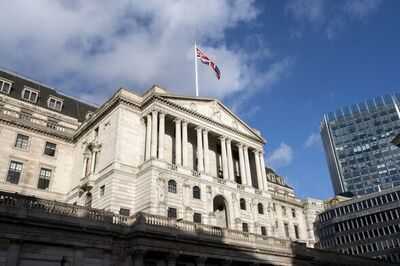
The Bank of England has reduced its estimate for the level of capital reserves that banks must maintain to safeguard against their collapse, marking a significant loosening of post-financial crisis regulations.
Under the Bank's proposals, the new capital requirements for banks will be lowered from approximately 14% to 13% of risk-weighted assets. This refers to the amount that banks must reserve as a buffer against risky lending and investments to absorb any losses. These rules were established following the 2008 financial crisis to deter banks from taking excessive risks and to shield them from failure.
The Bank's Financial Policy Committee (FPC) stated that the lowered benchmark should provide banks with more certainty and confidence to utilise their capital to lend to UK households and businesses.
The FPC's judgement was "consistent with the evolution of the financial system" since it first evaluated capital requirements a decade ago.
According to the FPC's review, UK banks typically have less risk on their balance sheets now than they did at the start of 2016.
Banks have also generally had capital headroom above the required amount. The FPC stated that its updated requirements align with its view that the UK banking system is resilient and can support households and businesses even if economic conditions significantly deteriorate.
-
Chelsea and Real Madrid threaten to derail Manchester United’s Adam Wharton pursuit

-
Raksha Bandhan 2026: When will the holy festival of Raksha Bandhan be celebrated? Know the right time and auspicious moment to tie Rakhi.

-
Independence Day 2026: Make these 5 tricolor dishes for children on August 15, the taste of patriotism will be infused in the plate.

-
Don’t feel like eating anything in the morning and your body feels sluggish? This homemade jaggery recipe is like nectar.

-
Can dry mouth increase the risk of cavities? Learn why a lack of saliva can be a threat to your teeth.