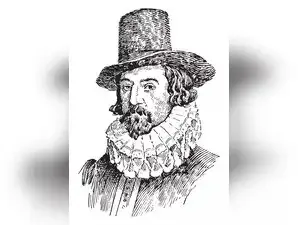
People often believe confidence is a sign of intelligence. The louder someone sounds, the more certain they appear, the more convincing they become. But centuries ago, English philosopher and statesman Francis Bacon offered a very different idea about wisdom and human understanding.
One of his most powerful observations still feels remarkably relevant today:
“If a man will begin with certainties, he shall end in doubts; but if he will be content to begin with doubts, he shall end in certainties.”
The thoughts reveal something deeply human about knowledge, ego and the courage to admit that we do not already know everything.
Iconic words by Francis Bacon still speak to the modern world
For many readers, Bacon’s quote feels strikingly modern because it challenges the way people naturally think. Most individuals want certainty immediately. They want simple answers, fixed opinions and absolute confidence.
But Bacon believed that genuine understanding begins in the opposite place: uncertainty.
Instead of blindly defending assumptions, he argued that people should question, observe and remain open to changing their minds. In his view, doubt was not weakness. It was the starting point of wisdom.
That belief shaped Bacon’s entire life and philosophy. Born in London in 1561, he became one of England’s most influential intellectual figures — a lawyer, philosopher, scientist, writer and eventually Lord Chancellor under King James I.
Unlike many thinkers of his era, Bacon rejected the idea that ancient authorities automatically possessed all truth. He criticised old systems of philosophy that relied too heavily on tradition and abstract arguments without testing ideas against real-world observation.
His famous work, Novum Organum, argued that human beings often trap themselves through pride, assumptions and intellectual arrogance. Bacon believed people frequently see what they want to see instead of what is actually true.
That is exactly why his quote about doubt remains so powerful today. In an age filled with online arguments, misinformation and instant opinions, Bacon’s words feel less like old philosophy and more like practical advice for everyday life.
What does Francis Bacon’s quote teach us about learning and ego?
The emotional strength of the quote comes from its honesty about human behaviour.
Many people begin conversations convinced they are already right. They protect their beliefs instead of examining them. Bacon warned that this kind of certainty often leads to confusion, ignorance and eventual doubt because the foundation was weak from the beginning.
But someone willing to begin with questions rather than conclusions slowly builds stronger understanding over time.
The quote also reveals an important lesson about humility. Bacon understood that intellectual growth requires discomfort. People must be willing to admit uncertainty, reconsider old beliefs and accept that knowledge evolves. That process can feel unsettling because it forces individuals to confront their own limitations.
Yet Bacon believed this openness is exactly what keeps the mind alive. That idea connects naturally with the thought that “anyone who keeps learning stays young.” To Bacon, curiosity was a form of renewal. A person who continues questioning, studying and exploring never becomes mentally trapped by rigid certainty.
The quote is not encouraging endless confusion. Instead, it argues that real certainty should come after investigation, patience and reflection, not before.
Why Francis Bacon’s words continue to resonate centuries later
Francis Bacon’s influence stretched far beyond philosophy. His ideas helped shape the foundations of modern scientific thinking by encouraging observation, experimentation and evidence-based reasoning.
He argued that human beings should not simply accept inherited beliefs without testing them. Instead, they should study nature carefully, gather evidence and gradually move closer to truth.
That approach later influenced generations of scientists and thinkers, including the early foundations of the scientific method itself.
But perhaps the reason his quote continues going viral online is because it speaks to something larger than science.
It speaks to human maturity. Bacon’s words remind people that intelligence is not measured by how loudly someone defends an opinion. Sometimes, the wisest person in the room is the one willing to admit uncertainty and continue learning.
Today, more than 400 years after his death, Bacon’s message still carries enormous emotional weight. Not because he promised easy answers, but because he understood that growth begins the moment people stop pretending they already know everything. Thus, his quote still feels timeless: certainty can make people rigid, but curiosity keeps both the mind and the spirit alive.
Quote of the Day by Francis Bacon
One of his most powerful observations still feels remarkably relevant today:
“If a man will begin with certainties, he shall end in doubts; but if he will be content to begin with doubts, he shall end in certainties.”
The thoughts reveal something deeply human about knowledge, ego and the courage to admit that we do not already know everything.
Iconic words by Francis Bacon still speak to the modern world
For many readers, Bacon’s quote feels strikingly modern because it challenges the way people naturally think. Most individuals want certainty immediately. They want simple answers, fixed opinions and absolute confidence.
But Bacon believed that genuine understanding begins in the opposite place: uncertainty.
Instead of blindly defending assumptions, he argued that people should question, observe and remain open to changing their minds. In his view, doubt was not weakness. It was the starting point of wisdom.
That belief shaped Bacon’s entire life and philosophy. Born in London in 1561, he became one of England’s most influential intellectual figures — a lawyer, philosopher, scientist, writer and eventually Lord Chancellor under King James I.
Unlike many thinkers of his era, Bacon rejected the idea that ancient authorities automatically possessed all truth. He criticised old systems of philosophy that relied too heavily on tradition and abstract arguments without testing ideas against real-world observation.
His famous work, Novum Organum, argued that human beings often trap themselves through pride, assumptions and intellectual arrogance. Bacon believed people frequently see what they want to see instead of what is actually true.
That is exactly why his quote about doubt remains so powerful today. In an age filled with online arguments, misinformation and instant opinions, Bacon’s words feel less like old philosophy and more like practical advice for everyday life.
What does Francis Bacon’s quote teach us about learning and ego?
The emotional strength of the quote comes from its honesty about human behaviour.
Many people begin conversations convinced they are already right. They protect their beliefs instead of examining them. Bacon warned that this kind of certainty often leads to confusion, ignorance and eventual doubt because the foundation was weak from the beginning.
But someone willing to begin with questions rather than conclusions slowly builds stronger understanding over time.
The quote also reveals an important lesson about humility. Bacon understood that intellectual growth requires discomfort. People must be willing to admit uncertainty, reconsider old beliefs and accept that knowledge evolves. That process can feel unsettling because it forces individuals to confront their own limitations.
Yet Bacon believed this openness is exactly what keeps the mind alive. That idea connects naturally with the thought that “anyone who keeps learning stays young.” To Bacon, curiosity was a form of renewal. A person who continues questioning, studying and exploring never becomes mentally trapped by rigid certainty.
The quote is not encouraging endless confusion. Instead, it argues that real certainty should come after investigation, patience and reflection, not before.
Why Francis Bacon’s words continue to resonate centuries later
Francis Bacon’s influence stretched far beyond philosophy. His ideas helped shape the foundations of modern scientific thinking by encouraging observation, experimentation and evidence-based reasoning.
He argued that human beings should not simply accept inherited beliefs without testing them. Instead, they should study nature carefully, gather evidence and gradually move closer to truth.
That approach later influenced generations of scientists and thinkers, including the early foundations of the scientific method itself.
But perhaps the reason his quote continues going viral online is because it speaks to something larger than science.
It speaks to human maturity. Bacon’s words remind people that intelligence is not measured by how loudly someone defends an opinion. Sometimes, the wisest person in the room is the one willing to admit uncertainty and continue learning.
Today, more than 400 years after his death, Bacon’s message still carries enormous emotional weight. Not because he promised easy answers, but because he understood that growth begins the moment people stop pretending they already know everything. Thus, his quote still feels timeless: certainty can make people rigid, but curiosity keeps both the mind and the spirit alive.