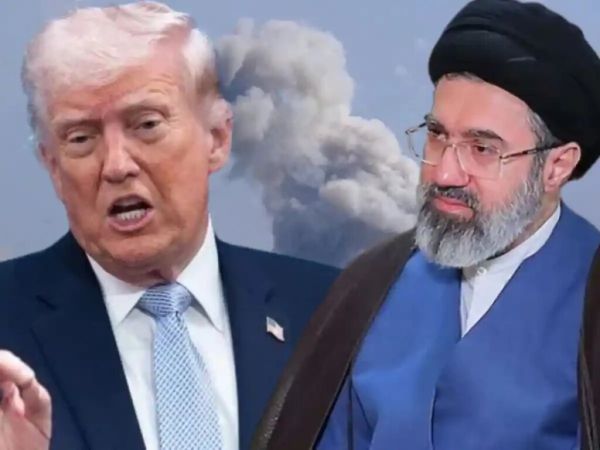
In a dramatic twist that has sent shockwaves through global geopolitical corridors, US President Donald Trump announced a temporary halt to a highly classified, large-scale military assault against Iran. This high-stakes decision came after Tehran delivered a fresh, comprehensive peace proposal to Washington through Pakistani mediators, injecting a sudden lease of life into a fragile ceasefire that many feared was on the brink of total collapse.
The escalation between the United States, Israel, and Iran had reached a boiling point after weeks of devastating airstrikes and retaliatory drone warfare. However, the diplomatic intervention by Gulf nations—including Saudi Arabia, the UAE, and Qatar—combined with Tehran’s unexpected counter-offer, has forced a critical pause in the conflict, opening a narrow window for high-level negotiations.
The Midnight Call: Why Trump Postponed the Scheduled Attack
Taking to his preferred communication channels, President Donald Trump revealed that military leaders were fully prepared to launch a multi-front offensive against Iranian targets. The operation was abruptly sidelined after top leaders from several Gulf countries approached the White House, urging the administration to review the latest diplomatic draft received from Tehran.
“We have instructed our military commanders that we will NOT be doing the scheduled attack on Iran, but they remain on high alert to unleash a full, large-scale assault at a moment’s notice if negotiations fall through,” Trump stated during a White House event. The US President hinted at a “very positive development,” expressing optimism that a diplomatic resolution could prevent further regional devastation while ensuring Iran never acquires a nuclear weapon.
What is Inside Iran’s New 10-Point Peace Plan?
According to state media reports and diplomatic insiders in Islamabad, Iran’s Deputy Foreign Minister Kazem Gharibabadi outlined the core tenets of the new proposal. Far from a silent surrender, Tehran’s latest framework presents a mixture of significant concessions alongside rigid demands aimed at safeguarding its regional sovereignty.
The key highlights of Tehran’s new peace proposal include:
Regional Ceasefire: An immediate and permanent cessation of hostilities across all active fronts, including Lebanon, where Israel has been locked in a fierce campaign against the Iran-backed Hezbollah.
The Nuclear Compromise: A long-term suspension of Iran’s nuclear enrichment program and a commitment to transfer its existing stockpile of highly enriched uranium to Russia.
End of the Naval Blockade: An immediate lift of the punishing US maritime blockade on Iranian ports, which has severely crippled global oil supplies and triggered international fuel shortages.
Withdrawal of US Troops: The phased exit of American military forces from positions directly neighboring or threatening Iranian borders.
Financial Reparations & Assets: The unfreezing of tens of billions of dollars in blocked Iranian assets held in foreign banks due to US sanctions, alongside financial reparations for infrastructural damage caused during the war.
Strait of Hormuz Reopening: A structured, phased plan to safely reopen the strategic Strait of Hormuz—the vital shipping lane through which roughly 20% of the world’s petroleum transits—under a mutually monitored management system.
Shifting Goalposts: Mediators Warn That Time is Running Out
While President Trump remains bullish about the prospects of a breakthrough, neutral brokers are painting a much more cautious picture. Sources within the Pakistani government, which has been central to managing communication between Washington and Tehran, have expressed deep pessimism regarding the sustainability of the current truce.
“Both Washington and Tehran keep shifting their goalposts during every single session,” a senior Pakistani official stated on the condition of anonymity. “The rhetoric changes by the hour, and while a temporary pause in airstrikes prevents immediate casualties, the underlying trust deficit remains massive. Time is rapidly running out before one side miscalculates.”
Adding to the complexity, the semi-official Tasnim news agency claimed that the US had already agreed to waive key sanctions on Iranian oil exports during the negotiation window—a claim that Washington has yet to independently verify or officially deny.
The Economic and Political Stakes Behind the Truce
The stakes could not be higher for both administrations. For Iran, the US naval blockade and economic sanctions have pushed its internal economy to a breaking point. For Donald Trump, the prolonged conflict in the Middle East has sent global energy markets into a tailspin, causing oil prices to surge and domestic inflation to spike.
White House insiders suggest that political advisors are increasingly concerned about the economic fallout of a prolonged war. With domestic voters expressing severe anxieties over the rising cost of living and fuel prices, a strategic diplomatic victory that dismantles Iran’s nuclear ambitions without a full-scale war could be the ultimate geopolitical win for the Trump administration.
For now, the drones have stopped flying, the bombers remain grounded on their tarmacs, and the world holds its breath as diplomats in Islamabad and Muscat race against the clock to convert this volatile pause into a lasting peace.
-
Psychology says women often mature faster than men, and it’s not just stereotype or biology, but the truth involves a more complex reason

-
SC refuses to recall its order on stray dogs

-
Future wars will be won by agility, integration, and indigenous tech: DRDO Scientist
-
Weaponised dependency: Chinese mercantilism is more damaging to global trade than Trump tariffs

-
The Boys finale Release date and time revealed: Here’s what to expect from the explosive last episode