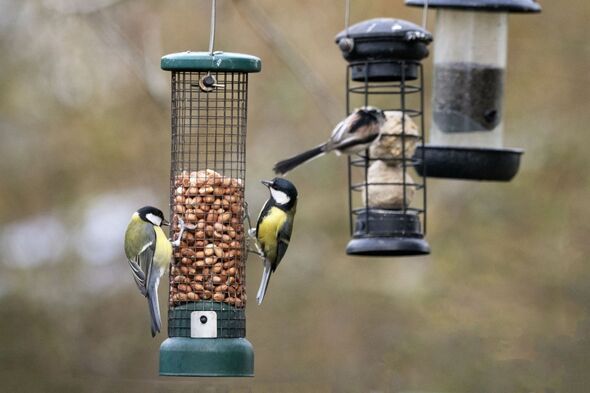
A gardening expert has recommended which plants people should add to their gardens to help support birds and attract them to their properties. Arthur Parkinson, a gardener, author and broadcaster, has come out in support of a new RSPB campaign calling for a pause on the feeding of birds this summer.
Writing in The Sunday Times, Arthur not only explained why he was supporting the campaign, but also named five plantalternatives that will help birds to thrive without a reliance on feeders. He said: "The latest campaign from the Royal Society for the Protection of Birds calls for a pause on feeding garden birds during summer. That is because bird feeders and tables are the leading cause of fatal avian pox and finch trichomonosis, causing declines among a number of songbird species."
The five plants he named that will attract birds included; panicum grasses, crab apples, berberis and hawthorn, roses, and ivy. On why he had chosen the panicum grasses he said that both "perennial and annual varieties provide fronts of nourishing seed heads to sparrows, finches, and tits".
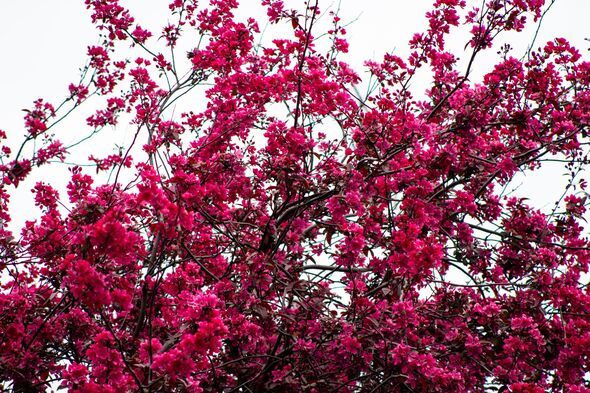
Meanwhile, crab apples were praised for being "perfect trees for small gardens", with Arthur advising that the malus transitoria variant looks "especially elegant".
Furthermore, berberis and hawthorn were given credit for being "fast-growing" with thorny defences that create "bird-sheltering cathedrals".
Meanwhile, roses were on the list because they provide "birdseed-packed rosehips in the winter" whilst ivy finished off the list as "a great all-round provider to wildlife". Arthur added that honeysuckle was also useful, "with flowers that then lead to bird attracting berries".
Arthur isn't the only gardening expert to have commented on the best plants for birds, with Jo McGarry of Caragh Nurseries also throwing her advice into the ring.
Speaking to the Express, she also touched on the importance of flowers in a garden in helping to attract wildlife. She said: "A garden that attracts birds in summer needs a balance of nectar-rich flowers, seed heads and protective planting. Many bird species rely on insects during the warmer months, so choosing plants that support pollinators entices more birds into your garden."
However, unlike Arthur, she also suggested sunflowers. Jo explained: Once the flowers fade, the seed heads become a valuable food source for finches and sparrows later in the year."
Jo additionally recommended the installation of cornflowers to support birds that eat insects, saying: "Cornflowers and scabious attract bees, hoverflies and other insects, which helps provide food for birds such as robins, wrens and blue tits. If the seed heads are left standing into autumn, they will continue feeding seed-eating birds as temperatures drop."
Jo also stressed that variety is important: "A mix of flowering plants and shrubs will attract a wider variety of birds across the seasons.... Wildlife-friendly gardens benefit from layered planting, so climbers, shrubs and flowering perennials all play an important role."
-
Two women killed, several injured in jeep-lorry collision near Kollur

-
Padangady: Woman killed in horrific accident

-
Romila Thapar's memoir: How the historian was made to retire from the Prasar Bharati board

-
Language is the foundation of imagination: Prof K.P. Rao at Akshara Ambari valedictory

-
Leopard rescued after falling into well at Jensale in Siddapur