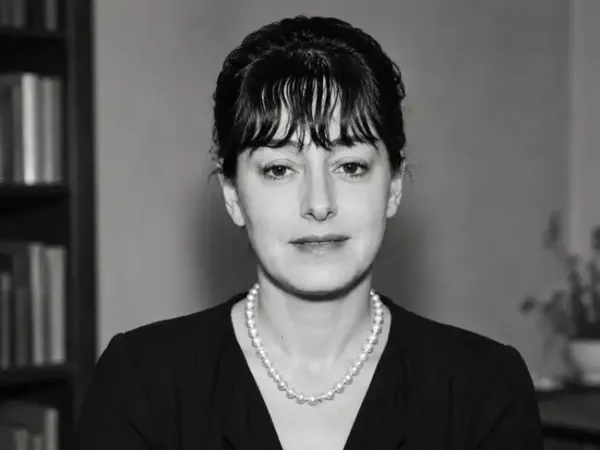
Quote of the day by Dorothy Parker brings attention to family life, parenting, and human behaviour through humour. The quote says, “The best way to keep children at home is to make the home atmosphere pleasant—and let the air out of the tires.” This line reflects family bonds, daily life, and social habits. Dorothy Parker was an American poet, writer, critic, and screenwriter. She shaped literature, film, journalism, and culture. Her words still appear in quote of the day today searches because they speak about love, happiness, and human nature. This explainer shares her life, career, quote meaning and relevance, and life lessons from the quote.
Quote of the day today and context
The quote says,
“The best way to keep children at home is to make the home atmosphere pleasant—and let the air out of the tires.”
Quote by Dorothy Parker begins with a humorous statement about parenting. The quote connects family life, children, and home atmosphere. It shows how humour can express truth. Many people search quote of the day today to understand wisdom from writers and thinkers. Parker used wit to describe daily life. The quote shows how comfort, trust, and happiness in a home help families stay connected. It also hints at discipline and responsibility in a playful way.
Meaning of the quote and relevance
The quote says children stay home when the home atmosphere is pleasant. The second part about letting the air out of the tires adds humour. It suggests parents guide children through both care and rules. This idea connects to modern parenting. Families today focus on bonding, communication, and safety. The quote meaning and relevance remain strong because families across generations face similar challenges. The quote also shows how humour can help people discuss serious topics like parenting and responsibility.
Life lessons from the quote
The quote teaches that relationships grow in a supportive home. Children feel safe when parents create comfort and trust. It also shows the balance between freedom and guidance. Families must set limits while creating happiness. This message links to love, happiness and human nature. It also connects to social behaviour and parenting choices. Life lessons from the quote continue to apply to modern families, workplaces, and communities.
Dorothy Parker biography and early life
Dorothy Parker was born as Dorothy Rothschild on August 22, 1893, in West End near Long Beach, New Jersey. She studied at Miss Dana’s School in Morristown, New Jersey, and Blessed Sacrament Convent School in New York City. In 1916, she joined the editorial staff of Vogue magazine. In 1917, she moved to Vanity Fair as a drama critic. She married Edwin Pond Parker II in 1917. They divorced in 1928, but she kept the surname Parker for her career.
Career in journalism and poetry
In 1920, she left Vanity Fair and became a freelance writer. Her first poetry book, Enough Rope, released in 1926 and became a bestseller. She later published Sunset Gun in 1928 and Death and Taxes in 1931. These works were later collected in Collected Poems: Not So Deep As a Well in 1936. In 1927, she became book reviewer “Constant Reader” for The New Yorker. She worked with the magazine for much of her career.
Algonquin Round Table and literary circle
Dorothy Parker helped found the Algonquin Round Table at the Algonquin Hotel in Manhattan. The group included Robert Benchley, Robert E. Sherwood, and James Thurber. The group met regularly and shared ideas, humour, and criticism. Parker became known as a leading conversationalist in New York. Her wit became famous. Many sayings were credited to her because of her reputation. She represented the independent woman of the 1920s.
Success in short stories and awards
In 1929, Parker won the O. Henry Award for her short story Big Blonde. The story explored the life of a party girl facing aging and loneliness. Her short story collections include Laments for the Living (1930) and After Such Pleasures (1933). These stories were later combined into Here Lies in 1939. Her writing often showed life as both tragic and funny.
Hollywood work and film career
In 1933, Parker married Alan Campbell. They moved to Hollywood and worked as film writers. They received screen credits for more than 15 films. One of the films was A Star Is Born (1937). The film earned an Academy Award nomination. Parker also became involved in left-wing politics and reported from the Spanish Civil War. After World War II, anticommunism in Hollywood affected her career opportunities.
Later career and final years
Dorothy Parker wrote book reviews for Esquire magazine. She co-wrote plays such as The Coast of Illyria in 1949 and The Ladies of the Corridor in 1953. After her husband died in 1963, she returned to New York City. She died on June 7, 1967, at age 73. Her works and quotes remain popular in quote of the day today searches and discussions on literature and culture.
Famous wit and cultural impact
Parker’s humour became part of cultural history. She made comments about public figures, theatre, and society. Her remarks often spread widely. Her quotes about love, happiness and human nature still appear in books, media, and online platforms. The quote of the day by Dorothy Parker remains part of daily inspiration searches worldwide.
Why the quote remains popular today?
The quote connects humour with parenting and family values. Modern audiences relate to parenting challenges and home life. The quote reflects social behaviour across generations. This keeps the quote relevant in daily searches and social media sharing. It also shows how literature continues to shape everyday conversations.