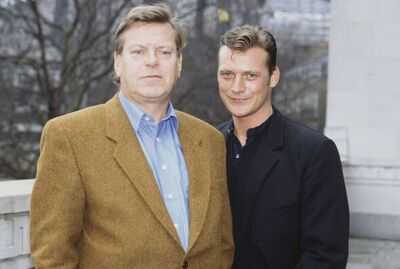
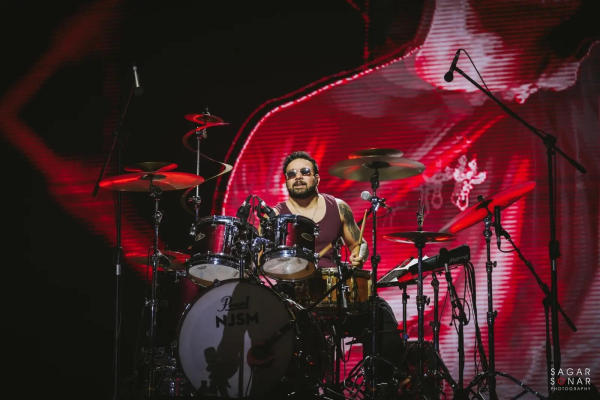
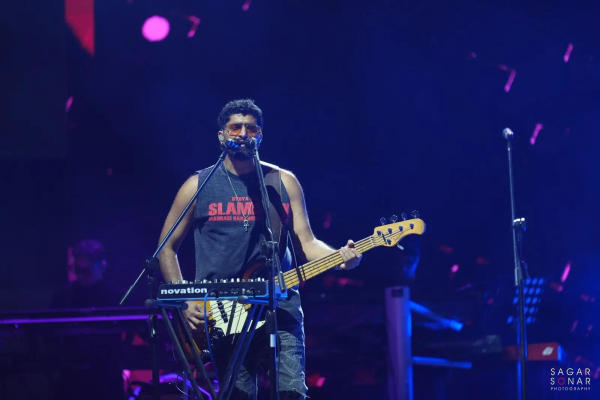
Over the years, SANAM has built a distinct space in India’s music landscape by breathing new life into timeless classics while steadily shaping an identity of its own. Comprising Sanam Puri, Samar Puri , Venkat Subramaniyam ( Venky ), and Keshav Dhanraj , the band has struck a rare balance, appealing to both newer generations and old. Ahead of their performance, during a chat with us, the band reflects on its journey, the idea of identity beyond a name, the evolving nature of music as both art and business, and why, even after years together, they find themselves in a phase of rediscovery. Excerpts:
What is your connection to Pune?
Venky:
We’ve been based in Bombay for about 17 years now, and Pune has always been one of the first cities we performed in outside of it. It holds a lot of fond memories for us, we have close friends here, almost like family, and a strong connection with fans who’ve consistently come to our shows. This time feels special because our India tour is coming to a close, and we’ll soon be travelling abroad. It’s like wrapping up one chapter before starting another.
Samar:
Pune is very special to us. In the early days of the band, we used to come here frequently. Whether for concerts or private shows. Some of our most memorable performances have happened here.
Keshav :
We also have friends here who run restaurants, so we’ve explored a lot of food in Pune. We all love eating, so that’s always been a highlight for us. Wherever there’s good food, we’re happy.

To Sanam: As the band carries your name, how do you differentiate between your identity and the band’s?
Sanam:
For me, the band itself is my identity. Yes, it’s my name, but I see it as the band’s name first. When I hear “Sanam,” I don’t necessarily think of myself as an individual, it feels like something larger than me. There’s a separation, and I think people have also started seeing it that way. In fact, some interviews even refer to the band as having three members—Samar, Venky, and Keshav.
Samar (laughs):
It’s called sacrifice.
Do you worry audiences may start associating you with the songs you cover?
Venky:
There will always be scepticism around covers of classics. But we’ve been fortunate to build an audience that appreciates how we interpret and express these songs. When we rearrange them, we study every detail and emotion within the original, and then express it in a way that feels authentic to us.
Keshav:
Interestingly, a lot of younger listeners didn’t even know the originals. Some thought Lag Ja Gale was our song. Then their parents and grandparents would recognise it and connect with it too. We started getting messages saying ‘you're bringing our families together, all of us are able to enjoy the same kind of music.’ Normally you would have the younger generation listening to one type, the older generation would have theirs and they'd be saying, ‘back in the day we used to listen to whatever…’ but now it's like the same song but different versions connecting the whole family and that's what you see at our shows.
When does adapting to the market and business model start compromising artistic integrity?
Sanam:
Music, at the end of the day, does become business for every artist —Roti Kapda Makaan—it’s how they survive. But the problem begins when business overshadows creativity. When the focus shifts entirely to reach and revenue, it can dilute the art. That’s why having the right team helps. They can handle the business side while you focus on creating. It is very important and it happens to a lot of people who are in fact very successful also think of music as business only and their creativity is more about just make commercial music, not because it's in their heart, but because they just want to make the money and be famous.
Venky:
Sustaining what they have is sometimes difficult because it's very easy to hit a creative block. It’s easy to get stuck in a pattern. Reinvention takes time. You need to step back, reflect, and consciously evolve. If you want to bring a change then you have to take time and internalise it only then something can happen.
Keshav:
The simplicity of what you start with is what connects with people. If you lose that, you lose everything. You have to keep making music you genuinely enjoy.
Sanam:
A lot of artists may seem successful on the outside, but internally, they feel unsatisfied. There’s often a fear that their true expression won’t be accepted.
Samar:
It’s like wearing a mask—we don’t know what’s really going on inside.
Sanam:
The best place to be is when you can be vulnerable and put out what you truly believe in, without worrying about how it performs.
Do you feel a stronger pull towards creating original music?
Venky:
Not necessarily. I don’t differentiate much between originals and renditions. Ultimately, you’re expressing something real either way. There are only so many notes, and even globally, music builds on existing ideas—like sampling in hip-hop. But using these motifs and things that feel either nostalgic or give this kind of musical expression that is somehow resonating with what they want to go and explore.
At a time when artists are dropping music constantly, you've consciously taken your time. Is that a creative choice or also a strategic resistance to content machinery?
Samar:
Everything is moving extremely fast. During the lockdown, I released a track called Slowdown , which reflects exactly that. This speed isn’t limited to music, but it is a part of the whole thing, like trees are getting cut like crazy, in one day thousands of trees are getting cut and same way for what? It's all business right they want to make money, same thing is happening here in music and Instagram YouTube whatever it is, all these platforms are being used. But this phase is natural. It’s a transition. Right now, we’re working towards something that feels closer to our hearts, something we may have been missing for years.
Sanam:
This is a phase of rediscovery for us. Understanding who we truly are and what we enjoy. That takes time. We want to create from a place of fulfilment, not exhaustion or pressure.
If SANAM were starting today, how would you approach social media?
Keshav:
We’re actually in that part right now. The way we look at it is that we have done whatever we did in the past and right now we're at a stage where we're literally starting from scratch for something else that we truly believe in. I feel we're just in the phase of discovering how we want to approach this leg of our band being together. Despite having nearly 12 million subscribers on YouTube, the algorithm has changed so much that reaching your own audience isn’t guaranteed. We’re essentially figuring out how to present our music, release it, and connect with listeners again. It’s exciting and challenging at the same time.
Musicians nowadays get popular online and quickly launch their tour. But the live performance is often disappointing. Idols like Dadlani have criticised it. What do you think about this?
Sanam:
Everyone has their own journey. There’s no need to criticise. If someone is happy and their music connects with people, that’s what matters.
Keshav:
There’s a difference between technical skill and connection. Someone may not be the good singer, but if they’ve written and composed something that resonates, that’s still valid art.
Venky:
Live performance is a different skill altogether, especially in a country like ours with a strong classical music foundation. Audiences expect a certain standard. If they’re paying for a show, they expect quality. It’s the artist’s responsibility to rise to that.
Keshav:
The live performances audiences are not the ones who are criticising because they are paying money to watch an artist that they want to go and check out. It's the older generations and stuff like what he said, the Indian music industry is based on that.
-
Hockey India Clarifies PR Sreejesh's Coaching Status Amid Controversy
-
Neeraj Chopra and Manu Bhaker Secure Training Approvals Ahead of Major Competitions
-
Natalie Harp's Role in Trump's Truth Social Management Under Scrutiny

-
West Bengal Government to Launch New Initiatives for Women
-
BBC legend died penniless as heartbroken wife sold engagement ring