Anime fans may be more likely to have 'main character syndrome,' and it makes sense
Indiatimes | May 12, 2026 1:39 PM CST
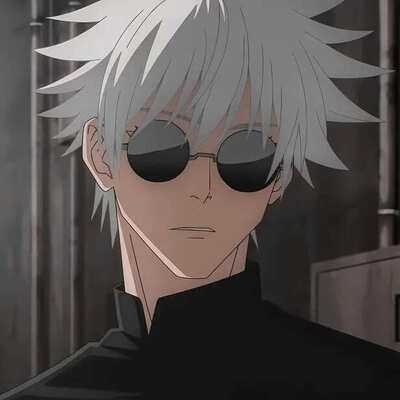
If you’ve spent years watching anime, there’s a high chance you’ve unknowingly started viewing your own life like a movie. Maybe you’ve imagined dramatic music playing during emotional moments, stared out of a car window pretending you were in an anime ending sequence, or treated every heartbreak like a personal character arc.
That feeling has a name on the internet now: “main character syndrome.”
And honestly, anime fans might be more prone to it than anyone else.
What exactly is “main character syndrome”?Main character syndrome is a popular term used for people who subconsciously see themselves as the protagonist of life. It usually involves romanticizing everyday experiences, attaching emotional meaning to small moments, and imagining life as a larger story filled with growth, setbacks, and transformation.
Online, the phrase is sometimes used as criticism for self-absorbed behavior. But in reality, most people experience a softer, harmless version of it, especially those who grew up consuming emotionally intense storytelling.
That’s where anime comes in.
Anime makes ordinary moments feel importantOne of the biggest reasons anime affects people so deeply is because it treats emotions with seriousness. Things that might seem ordinary in real life are often shown as deeply meaningful in anime.
A quiet walk home becomes reflective. A rainy day symbolizes loneliness. A school festival becomes unforgettable. Even silence between characters can feel emotionally heavy.
Shows like Naruto, Demon Slayer, Haikyuu!!, and films like Spirited Away or Your Name teach viewers to slow down and emotionally absorb moments.
Over time, fans begin doing the same in real life.
 Pinterest | It usually involves romanticizing everyday experiences
That’s why anime lovers often romanticize:
Most anime protagonists start out flawed, insecure, underestimated, or emotionally broken. The audience watches them struggle before eventually evolving into stronger versions of themselves.
Characters like Monkey D. Luffy, Tanjiro Kamado, and Shoyo Hinata are loved because they grow through failure and pain rather than avoiding it.
 Pinterest | As a result, many anime fans start viewing their own hardships as character development.
As a result, many anime fans start viewing their own hardships as “character development.”
A breakup becomes a lesson. A difficult phase becomes a training arc. Feeling lost becomes part of a future comeback story.
It sounds dramatic, but it can actually help people emotionally process difficult experiences.
Social media made the feeling even strongerAnime culture exploded globally alongside TikTok, Instagram edits, and aesthetic internet culture. Suddenly, people were turning everyday life into emotionally edited montages.
You’ve probably seen:
Anime didn’t invent escapism or emotional storytelling, but it definitely normalized feeling things intensely.
Is main character syndrome actually bad?
Not always.
There’s a major difference between harmless self-romanticization and genuine narcissism. Seeing beauty in your own life, valuing your emotions, and imagining yourself growing through challenges can actually be healthy.
For many people, it creates motivation and emotional resilience. It turns difficult experiences into meaningful ones rather than meaningless suffering.
The problem only begins when someone becomes incapable of considering perspectives beyond their own.
But for most anime fans, “main character syndrome” is less about ego and more about emotional imagination.
Maybe anime fans just learned to feel life more deeplyAnime has always been dramatic in the best possible way. Characters cry openly, chase impossible dreams, and treat emotions like they matter. Fans who grow up with that storytelling style often carry that emotional lens into adulthood.
So if you’ve ever:
And maybe that’s why life feels a little more cinematic sometimes.
That feeling has a name on the internet now: “main character syndrome.”
And honestly, anime fans might be more prone to it than anyone else.
What exactly is “main character syndrome”?Main character syndrome is a popular term used for people who subconsciously see themselves as the protagonist of life. It usually involves romanticizing everyday experiences, attaching emotional meaning to small moments, and imagining life as a larger story filled with growth, setbacks, and transformation.
Online, the phrase is sometimes used as criticism for self-absorbed behavior. But in reality, most people experience a softer, harmless version of it, especially those who grew up consuming emotionally intense storytelling.
That’s where anime comes in.
Anime makes ordinary moments feel importantOne of the biggest reasons anime affects people so deeply is because it treats emotions with seriousness. Things that might seem ordinary in real life are often shown as deeply meaningful in anime.
A quiet walk home becomes reflective. A rainy day symbolizes loneliness. A school festival becomes unforgettable. Even silence between characters can feel emotionally heavy.
Shows like Naruto, Demon Slayer, Haikyuu!!, and films like Spirited Away or Your Name teach viewers to slow down and emotionally absorb moments.
Over time, fans begin doing the same in real life.
Pinterest | It usually involves romanticizing everyday experiences
That’s why anime lovers often romanticize:
- train rides and late-night walks
- sunsets, rain, and city lights
- emotional breakdowns
- loneliness and healing
- friendship “arcs”
- personal glow-ups and reinvention
Most anime protagonists start out flawed, insecure, underestimated, or emotionally broken. The audience watches them struggle before eventually evolving into stronger versions of themselves.
Characters like Monkey D. Luffy, Tanjiro Kamado, and Shoyo Hinata are loved because they grow through failure and pain rather than avoiding it.
Pinterest | As a result, many anime fans start viewing their own hardships as character development.
As a result, many anime fans start viewing their own hardships as “character development.”
A breakup becomes a lesson. A difficult phase becomes a training arc. Feeling lost becomes part of a future comeback story.
It sounds dramatic, but it can actually help people emotionally process difficult experiences.
Social media made the feeling even strongerAnime culture exploded globally alongside TikTok, Instagram edits, and aesthetic internet culture. Suddenly, people were turning everyday life into emotionally edited montages.
You’ve probably seen:
- “main character moment” videos
- anime-style edits of ordinary life
- playlists meant for “character development”
- motivational protagonist speeches
- posts romanticizing healing and self-growth
Anime didn’t invent escapism or emotional storytelling, but it definitely normalized feeling things intensely.
Is main character syndrome actually bad?
Not always.
There’s a major difference between harmless self-romanticization and genuine narcissism. Seeing beauty in your own life, valuing your emotions, and imagining yourself growing through challenges can actually be healthy.
For many people, it creates motivation and emotional resilience. It turns difficult experiences into meaningful ones rather than meaningless suffering.
The problem only begins when someone becomes incapable of considering perspectives beyond their own.
But for most anime fans, “main character syndrome” is less about ego and more about emotional imagination.
Maybe anime fans just learned to feel life more deeplyAnime has always been dramatic in the best possible way. Characters cry openly, chase impossible dreams, and treat emotions like they matter. Fans who grow up with that storytelling style often carry that emotional lens into adulthood.
So if you’ve ever:
- imagined your life having seasons and story arcs,
- stared out of a rainy window like an anime protagonist,
- or convinced yourself your struggles are part of future growth,
And maybe that’s why life feels a little more cinematic sometimes.
READ NEXT
-
UPSSSC 2026: UPSSSC ASO-ARO Vacancies Increased; Application Deadline Also Extended..
-
Utility Latest News: Troubled by Home Loan EMIs? Will a Balance Transfer Help? Read These 5 Points Before Deciding
-
UPSSSC: The dream of a government job in the agricultural sector will come true; 1,182 posts for Cane Supervisors are to be filled..
-
Indian Navy Vacancy: An Opportunity to Become a Sub-Lieutenant in the Indian Navy—Apply Starting May 16..

-
Saving Tips: Is there only one earning member in your household, making it difficult to save? Adopt these tips to build savings for the future.