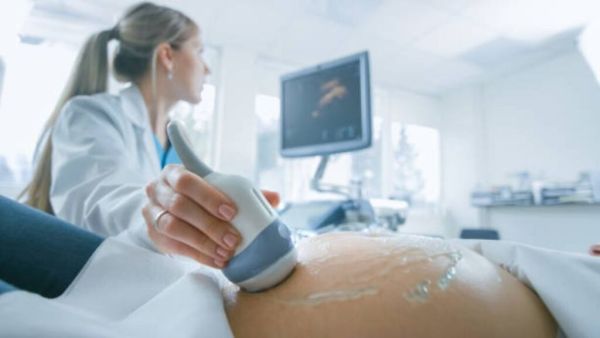
Fertility is the ability of a woman to conceive. A certain amount of egg reserve is formed in the body of women even before birth. Over time this reserve is depleted due to natural processes (atresia), thereby reducing fertility. According to research, after the age of 30, fertility begins to decline gradually. After 35 years the decline is more rapid, and after 40 years it slows down even more. The main reason for this is the decrease in the number of eggs and especially their quality.Dr. Tripti Mehta Senior IVF Consultant, Well Women Center Sir HN Reliance Foundation Hospitalhas given detailed information.(Photo courtesy – istock)
Suffer from constant mood swings-abdominal pain during menstrual days? These Ayurvedic spices in the kitchen are a panacea for the body
Changes in fertility with age are seen as:
- 20s to early 30s: Women’s fertility is at its best, with about 1 in 4 women getting pregnant each menstrual cycle.
- Middle thirties (around 35 years): Fertility decline begins rapidly.
- Age 40: Chances of conceiving drop to about 1 in 10 with each menstrual cycle.
- 45 years and above : Chances of conceiving naturally are very low.
Major changes that occur with increasing age:
- Increase in Chromosomal Abnormalities
- Loss of function of cells essential for embryonic development
- Reduction of chances of implantation
- Increased risk of pregnancy loss or miscarriage, which can take longer to conceive, lower the success rate of IVF
- May increase the risk of miscarriage and may require Pre-implantation Genetic Testing (PGT) or Fertility Preservation.
In short, due to advancing age:
- The number of eggs (Ovarian Reserve) decreases
- Changes in the chromosomes cause the quality of the eggs to decline
- Chances of natural pregnancy are reduced
- Increased risk of miscarriage and genetic disorders
What are the risks of delayed conception? — especially the risk of diseases such as ovarian cancer. Conceiving at the age of 35 years or above is considered as delayed conception. In medical terms it is called Advanced Maternal Age.
The risks arising at this stage can be divided as follows:
Fertility Risks
Decreased chances of getting pregnant naturally
Decreased quality of eggs due to changes in chromosomes
Increased risk of miscarriage
Decreased success rate of IVF treatment
Genetic Risks
A late pregnancy may increase the risk of certain genetic disorders in the baby. In particular:
Trisomy 21 (Down Syndrome)
Chromosomal abnormalities such as trisomy 13, 16, 18 and 22
Pregnancy Risks
Increased chance of metabolic disorders
Thyroid disorders
Fibroids
Endometriosis
Complications to heart disease
Does the risk of ovarian cancer increase?
A late first pregnancy may slightly increase the risk of Epithelial Ovarian Cancer. However, late pregnancy alone is not the main cause, increasing age is a greater risk factor.
This risk may become more significant in the following situations:
Having a family history of ovarian or breast cancer
Having a BRCA Gene Mutation
Suffering from endometriosis.
Does drinking water reduce body fat? Learn what water fasting is and the changes the body undergoes in 24 hours
However, it is important to note that the overall lifetime risk of ovarian cancer is relatively low. Also, pregnancy, breastfeeding and use of birth control pills are considered to be some protective factors against this cancer. It is also important that many women successfully conceive and give birth to healthy babies even in their late thirties or forties, but this requires proper medical examination, screening and regular guidance from a doctor.
-
Everything we know about Princess Kate's trip to Italy

-
Punjab Kings Fall Short Against Delhi Capitals in IPL 2026 Thriller

-
East Bengal FC and Punjab FC Share Points in Thrilling ISL Clash

-
Moment friends knew Tess Daly and Vernon Kay's marriage was in tatters

-
Explained: Philippine VP Sara Duterte impeached again, what's next at Senate trial