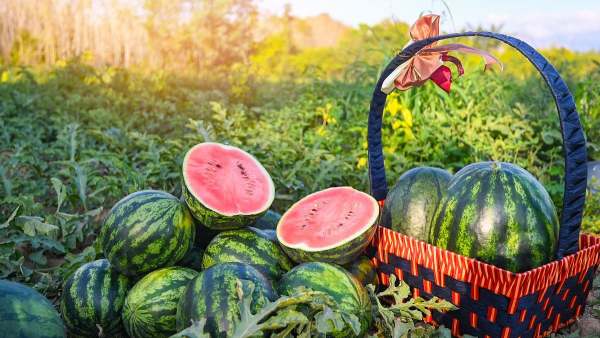
It can become contaminated and unsafe to eat if proper handling and hygiene practices are not followed. Although the thick outer rind of a watermelon offers some protection, it can still carry harmful bacteria from soil, water, or handling during harvesting, transportation, and storage. Common pathogens such as Salmonella, Escherichia coli, and Listeria may be present on the surface.
The watermelon is a species of flowering plant in the family Cucurbitaceae that has a large, edible fruit. The beloved fruit, which is mostly consumed in summers, is widely cultivated worldwide, with more than 1,000 varieties. These fruits contain 92 per cent water that provides intense hydration, which helps regulate body temperature, reducing heat and discomfort. But a recent tragedy in Mumbai has led to a downfall in prices of watermelons, as it has created fear among people.
Can watermelon get contaminated?
It can become contaminated and unsafe to eat if proper handling and hygiene practices are not followed. Although the thick outer rind of a watermelon offers some protection, it can still carry harmful bacteria from soil, water, or handling during harvesting, transportation, and storage. Common pathogens such as Salmonella, Escherichia coli, and Listeria may be present on the surface.
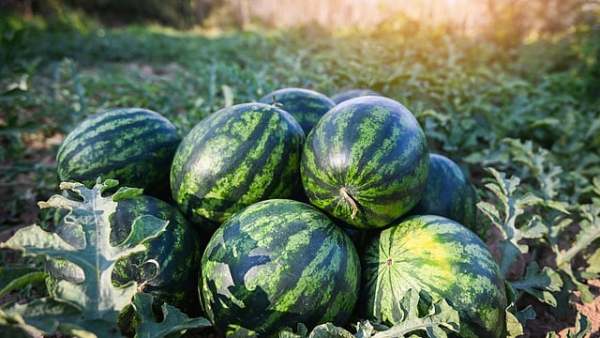
Risk of contamination
-
Pakistani miniature artist exhibits work In London

-
Mother’s day 2026: These are the trending cake designs to make mother feel special

-
We Might Finally Have Proof That UFOs Exist But Everyone Is Too Burnt Out To Care

-
4 Zodiac Signs Attract Abundance & Luck On Sunday, May 10, 2026

-
8 Alternatives To The 2026 Toyota Prius