
An expert has revealed that Brits need to be aware of the three different types of pensions. Thinking about retirement can be stressful but planning in advance can make it easier.
Martin Lewis, Money Saving Expert, warns: "don't confuse them". He says: "Simply put, a pension is a way to save money for when you retire - providing you with an income for the years when you're not working." Martin says people might contribute to a pension through a workplace (where both a person and their employer contribute), or a personal pension that a person has set-up themselves through a pension provider. Each of the three types of pension works differently.
UK furniture retailer plunges into administration - in business for 150 years
Households paid to take bottles back to Tesco, Asda, Morrisons or Sainsbury's
Everyone in the UK is entitled to a State Pension as long as they build up National Insurance (NI) years by working.
Brits will need 35 years to qualify for the full new State Pension.
This payment is taxed as other income is and currently paid when you hit a certain age whether you still work or not.
Between 2026 and 2028 this age is being gradually increased from 66 to 67 so if you're currently 65 or 66 the exact date you'll be eligible is based on your date of birth.
Most modern workplace and all private pensions are money-purchase schemes. Martin says you'll know you've got one of these if your pension statement shows an amount of money.
With this type of pension, money you add (as well as any your employer adds) is invested through a pension firm and builds up a pot of money.
This can be used from age 55, or 57 from April 2028.
Salary schemes are less common but some older workers may have them.
Workers get a set percentage of their final or average salary each year.
On Money Saving Expert, Martin says: "You'll know you've got one of these if, when you check your statement, it shows your current salary, how long you've been with the firm, and your predicted final annual income."
-
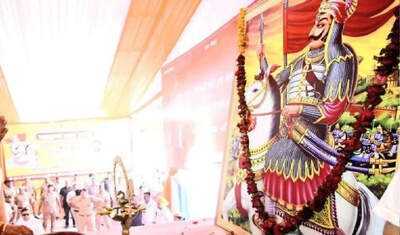
Tensions Rise in Hapur District Following Clash During Maharana Pratap Jayanti Procession
-
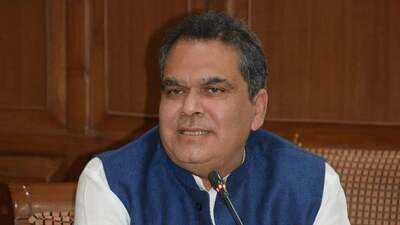
ED arrests Punjab minister Sanjeev Arora in fresh money laundering case
-
PB Fintech Gets Stock Broking Licence From SEBI For Debt Segment

-
Is AI weakening your thinking power? New study reveals shocking findings.

-
State pensioners handed £344.20 every four weeks - on 3 conditions