The FE variant of devices generally signify the ‘fan favorite’ features of a flagship device, which has now become accessible on a slightly more affordable device. Multiple brands have this iteration of their devices, Samsung started this trend, OnePlus played along with the R series, and then last year we had Vivo with the X200 FE. And arguably Vivo has done it the most successfully, the crux is in the numbers, according to the latest Counterpoint Research’s data, Vivo has a 23% market share in India. While this is mostly driven by the mid-range segment, the X series has also picked pace and grabbed attention for its photography prowess.
Last year’s Vivo X200 FE stood out because it delivered a near-flagship experience without aggressively pushing into ultra-premium pricing. It felt balanced. The compact form factor, capable cameras and dependable performance made it an easy recommendation for buyers looking for a premium Android phone without crossing into flagship territory.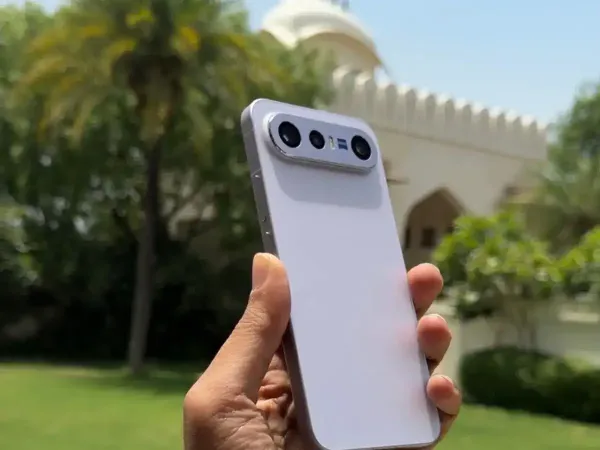 The new X300 FE changes that formula quite a bit.
Priced significantly higher this year, the X300 FE is no longer positioned as the “affordable premium” option it once was. Vivo is clearly trying to move the FE lineup upward with a refreshed design, flagship-grade chipset and support for the company’s new telephoto extender accessory system. The problem is that the phone now sits dangerously close to Vivo’s own X300 series, which already offers stronger imaging hardware at a lower price.
After spending time with the device, the X300 FE feels like a phone caught between two identities. It still retains some FE DNA, but now wants to compete in a far more demanding premium segment. We also took the smartphone on the streets of Jaipur to test out the camera.
Despite packing premium hardware, the phone remains compact and comfortable to hold. Its flat aluminium frame and flat glass panels give it a modern flagship feel without becoming too sharp around the edges.
The device comes with IP68,69 rating, which also makes it robust against normal wear and tear.
The design change also makes it distinguishable from its more expensive siblings, something users might or might not appreciate. Since a familiar design with the rest of the line-up does retain bragging rights. The Lilac Purple finish looks understated and elegant rather than flashy. Vivo has also done a good job with the matte texture on the rear panel, although the phone can still feel slippery without a case. Thankfully, Vivo includes a matching silicone case inside the box.
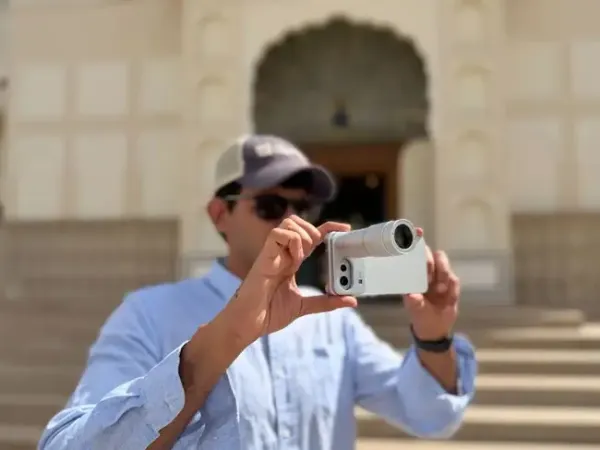
The optional telephoto extender accessory is interesting but niche. Unlike Vivo’s larger photography kits available internationally, this setup is much simpler. You essentially get a detachable lens and a modular case system that allows the lens to mount onto the phone.
The setup works surprisingly well if you enjoy mobile photography, especially for concerts, wildlife or travel shots. But it also feels like an enthusiast-focused add-on rather than something the average buyer will regularly carry around. It adds bulk, blocks access to the other cameras while mounted, and requires frequent attaching and detaching depending on what you want to shoot.
The adaptive refresh rate of 120Hz also means gaming on the device is seamless and you will enjoy it here.
Stereo speakers are also surprisingly good with strong loudness and decent bass response, although you do need to push the volume levels quite high to get the best experience.
That said, this is also one area where the phone doesn’t necessarily feel like a major upgrade over its predecessor. The display experience remains solid, but competitors around this price point are beginning to push ahead with more premium-looking panels and richer colour depth.
It also comes with an in-display finger print sensor which is a 3D ultrasonic unit. Super quick to register and unlock the device, you won’t have any complaints in this department.
Most importantly, Vivo seems more serious about long-term software support this year. The company is promising five years of Android updates alongside seven years of security updates, which is a meaningful improvement for the FE lineup.
There are still a few pre-installed apps out of the box, but thankfully most of them can be removed easily. Overall, the software experience feels cleaner and more stable than what Vivo devices offered a few years ago.
However, the phone’s thermal management is not perfect. This is indeed a compromise when you are dealing with a slim formfactor. While gaming temperatures stay manageable, the device tends to heat up noticeably during heavy camera usage, especially outdoors. Recording multiple 4K or 8K clips back-to-back causes visible warming around the display area, and the camera app occasionally struggles under sustained load.
This becomes important because Vivo is positioning the phone as a creator-focused device. For casual photography and short-form content, it works well. But if you are planning to shoot long-form video regularly, the heating limitations become noticeable fairly quickly.
Battery life, on the other hand, is excellent. The 6,500mAh battery comfortably lasts a full day and often stretches into a second day with moderate usage. Charging speeds are also fast enough to remove battery anxiety entirely.
The X300 FE’s camera system delivers mixed results but when it comes to the telephoto sensor, you will be impressed. Check out the video of our experience using the device in Jaipur. The primary and telephoto cameras are genuinely good in most situations. Daylight shots come out detailed with balanced dynamic range, while portrait shots offer natural-looking background separation without excessive processing.
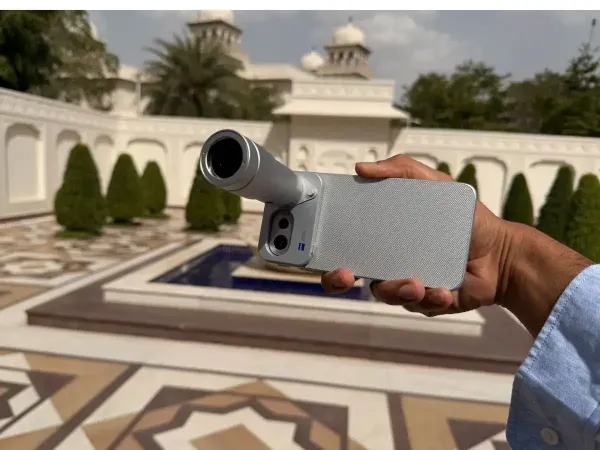
The telephoto camera is clearly the highlight here. It captures sharp images with pleasing depth and also performs well for close-up shots. Combined with the optional telephoto extender, the phone becomes surprisingly capable for long-distance photography.
The extender lens itself is more practical than gimmicky. At its native zoom range, it captures cleaner and sharper shots than the phone’s built-in telephoto camera alone. It especially shines in outdoor conditions and gives photography enthusiasts more flexibility without carrying a dedicated camera setup.
But the rest of the camera system doesn’t fully match the asking price.
The ultrawide camera feels noticeably weaker than the other sensors and struggles heavily in low light. Video recording is also inconsistent. While the primary and telephoto cameras produce good 4K footage in daylight, the ultrawide output lacks detail and feels difficult to rely on.
There are also a few surprising omissions for a phone positioned toward creators. HDR video recording options are missing, autofocus performance in darker scenes can be inconsistent, and prolonged video recording introduces heating-related slowdowns. Selfies are decent but softer than expected at this price point, especially in lower lighting conditions.
The distinction becomes fairly clear depending on what you prioritise. If pure performance is your focus, there are several alternatives in the market, including devices like the OnePlus 15. And if ecosystem integration matters more, the iPhone 17 remains the obvious choice.
But for buyers looking for a compact premium smartphone with a strong focus on telephoto photography, the X300 FE manages to carve out a niche of its own.
Last year’s Vivo X200 FE stood out because it delivered a near-flagship experience without aggressively pushing into ultra-premium pricing. It felt balanced. The compact form factor, capable cameras and dependable performance made it an easy recommendation for buyers looking for a premium Android phone without crossing into flagship territory.
The X300 FE runs OriginOS 6 based on Android 16
Priced significantly higher this year, the X300 FE is no longer positioned as the “affordable premium” option it once was. Vivo is clearly trying to move the FE lineup upward with a refreshed design, flagship-grade chipset and support for the company’s new telephoto extender accessory system. The problem is that the phone now sits dangerously close to Vivo’s own X300 series, which already offers stronger imaging hardware at a lower price.
After spending time with the device, the X300 FE feels like a phone caught between two identities. It still retains some FE DNA, but now wants to compete in a far more demanding premium segment. We also took the smartphone on the streets of Jaipur to test out the camera.
Vivo X300 FE is powered by Qualcomm’s Snapdragon 8 Gen 5 chipset
Price and Availability
The Vivo X300 FE is priced at Rs.79,999 for the 12GB RAM & 256GB storage variant. There is also a variant with the similar RAM and higher storage capacity of 512GB priced at Rs.89,999. The device is available on Flipkart and Vivo’s official website along with Vivo affiliated retail stores in India.Design
Vivo has completely redesigned the rear camera module, replacing the older bulky camera island with a cleaner sculpted glass layout that looks far more refined. The horizontal arrangement also makes practical sense because your fingers are less likely to touch the lenses while using the phone.Despite packing premium hardware, the phone remains compact and comfortable to hold. Its flat aluminium frame and flat glass panels give it a modern flagship feel without becoming too sharp around the edges.
The device comes with IP68,69 rating, which also makes it robust against normal wear and tear.
The design change also makes it distinguishable from its more expensive siblings, something users might or might not appreciate. Since a familiar design with the rest of the line-up does retain bragging rights. The Lilac Purple finish looks understated and elegant rather than flashy. Vivo has also done a good job with the matte texture on the rear panel, although the phone can still feel slippery without a case. Thankfully, Vivo includes a matching silicone case inside the box.
The optional telephoto extender accessory is interesting but niche. Unlike Vivo’s larger photography kits available internationally, this setup is much simpler. You essentially get a detachable lens and a modular case system that allows the lens to mount onto the phone.
The setup works surprisingly well if you enjoy mobile photography, especially for concerts, wildlife or travel shots. But it also feels like an enthusiast-focused add-on rather than something the average buyer will regularly carry around. It adds bulk, blocks access to the other cameras while mounted, and requires frequent attaching and detaching depending on what you want to shoot.
Display
The X300 FE continues with a compact 6.31-inch AMOLED display, and honestly, there is very little to complain about here. The panel gets bright outdoors, colours look vibrant, and content consumption feels immersive despite the smaller footprint. Watching shows, scrolling social media or gaming all feel smooth thanks to the adaptive refresh rate.The adaptive refresh rate of 120Hz also means gaming on the device is seamless and you will enjoy it here.
Stereo speakers are also surprisingly good with strong loudness and decent bass response, although you do need to push the volume levels quite high to get the best experience.
That said, this is also one area where the phone doesn’t necessarily feel like a major upgrade over its predecessor. The display experience remains solid, but competitors around this price point are beginning to push ahead with more premium-looking panels and richer colour depth.
It also comes with an in-display finger print sensor which is a 3D ultrasonic unit. Super quick to register and unlock the device, you won’t have any complaints in this department.
Software
The X300 FE runs OriginOS 6 based on Android 16, and Vivo continues to lean heavily into an interface style that feels visually inspired by iOS. The software experience is smooth, polished and highly customisable. There are plenty of little visual tweaks and interactive features scattered throughout the interface, including dynamic widgets, lockscreen customisation and Vivo’s version of Apple’s Dynamic Island.Most importantly, Vivo seems more serious about long-term software support this year. The company is promising five years of Android updates alongside seven years of security updates, which is a meaningful improvement for the FE lineup.
There are still a few pre-installed apps out of the box, but thankfully most of them can be removed easily. Overall, the software experience feels cleaner and more stable than what Vivo devices offered a few years ago.
Performance
The X300 FE switches to Qualcomm’s Snapdragon 8 Gen 5 chipset this year, and the jump in performance is noticeable. Daily usage feels fast and fluid. Apps open quickly, multitasking remains smooth, and gaming performance is dependable for extended sessions. Games like Genshin Impact run comfortably at high settings, while lighter competitive titles perform without issues.However, the phone’s thermal management is not perfect. This is indeed a compromise when you are dealing with a slim formfactor. While gaming temperatures stay manageable, the device tends to heat up noticeably during heavy camera usage, especially outdoors. Recording multiple 4K or 8K clips back-to-back causes visible warming around the display area, and the camera app occasionally struggles under sustained load.
This becomes important because Vivo is positioning the phone as a creator-focused device. For casual photography and short-form content, it works well. But if you are planning to shoot long-form video regularly, the heating limitations become noticeable fairly quickly.
Battery life, on the other hand, is excellent. The 6,500mAh battery comfortably lasts a full day and often stretches into a second day with moderate usage. Charging speeds are also fast enough to remove battery anxiety entirely.
Camera
The X300 FE’s camera system delivers mixed results but when it comes to the telephoto sensor, you will be impressed. Check out the video of our experience using the device in Jaipur. The primary and telephoto cameras are genuinely good in most situations. Daylight shots come out detailed with balanced dynamic range, while portrait shots offer natural-looking background separation without excessive processing.
Vivo X300 FE’s camera system highlight is the telephoto camera
The telephoto camera is clearly the highlight here. It captures sharp images with pleasing depth and also performs well for close-up shots. Combined with the optional telephoto extender, the phone becomes surprisingly capable for long-distance photography.
The extender lens itself is more practical than gimmicky. At its native zoom range, it captures cleaner and sharper shots than the phone’s built-in telephoto camera alone. It especially shines in outdoor conditions and gives photography enthusiasts more flexibility without carrying a dedicated camera setup.
But the rest of the camera system doesn’t fully match the asking price.
The ultrawide camera feels noticeably weaker than the other sensors and struggles heavily in low light. Video recording is also inconsistent. While the primary and telephoto cameras produce good 4K footage in daylight, the ultrawide output lacks detail and feels difficult to rely on.
There are also a few surprising omissions for a phone positioned toward creators. HDR video recording options are missing, autofocus performance in darker scenes can be inconsistent, and prolonged video recording introduces heating-related slowdowns. Selfies are decent but softer than expected at this price point, especially in lower lighting conditions.
Verdict
The Vivo X300 FE feels like a very specific kind of smartphone, one aimed at users who want serious smartphone photography capabilities without the massive form factor usually associated with flagship camera phones. Its compact design, capable telephoto system and optional extender lens make it stand out in a market where most photography-focused devices are bulky and oversized. At the same time, the higher pricing does make the phone harder to position. While the telephoto experience is genuinely impressive, some compromises in the ultrawide camera and sustained video performance hold it back from feeling fully “pro-grade.”The distinction becomes fairly clear depending on what you prioritise. If pure performance is your focus, there are several alternatives in the market, including devices like the OnePlus 15. And if ecosystem integration matters more, the iPhone 17 remains the obvious choice.
But for buyers looking for a compact premium smartphone with a strong focus on telephoto photography, the X300 FE manages to carve out a niche of its own.