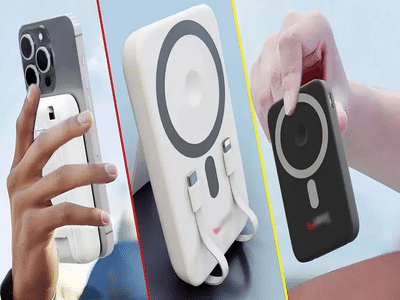
Wireless charging has quickly become one of the most convenient features in modern smartphones. With people relying heavily on their devices throughout the day, many users now prefer simply placing their phone on a charging pad instead of dealing with tangled cables and charging ports. From premium Android phones to the latest iPhones, wireless charging technology is becoming increasingly common.
However, as its popularity grows, so do concerns about battery health. Many smartphone users wonder whether using wireless charging every day can slowly damage their phone’s battery. Experts say the answer is not entirely straightforward. While wireless charging is generally safe, excessive heat generated during the process may affect battery performance over the long term.
Why Wireless Charging Is Becoming So PopularWireless charging offers unmatched convenience. Users can charge their devices by simply placing them on a charging pad without plugging in a cable every time. It also reduces wear and tear on charging ports, which is a common issue with regular wired charging.
Today, wireless charging is available not only in smartphones but also in earbuds, smartwatches, cars, cafes, airports, and office desks. Fast wireless charging technology has also improved significantly over the last few years, making it more practical for everyday use.
Still, experts warn that relying entirely on wireless charging may not always be the best choice for maintaining long-term battery health.
The Biggest Problem: Heat GenerationOne of the main concerns associated with wireless charging is heat. Smartphone batteries are highly sensitive to temperature changes, and excessive heat is considered one of the biggest enemies of lithium-ion batteries.
Modern smartphones are designed to handle a certain amount of heat during charging. Manufacturers include thermal management systems to prevent overheating. But when wireless charging is used repeatedly every day, the additional heat generated during the process may gradually impact battery efficiency over time.
Battery experts explain that consistently high temperatures can accelerate battery degradation. This may eventually reduce battery capacity, shorten backup time, and affect overall charging performance.
How Wireless Charging Actually WorksWireless charging operates through a technology called electromagnetic induction.
Here’s how the process works:
- The charging pad contains a transmitter coil.
- This coil generates a magnetic field using alternating current (AC).
- Inside the smartphone, a receiver coil captures this energy.
- The phone then converts the energy into direct current (DC) to charge the battery.
Although the process sounds efficient, not all energy successfully reaches the battery. A noticeable portion of power gets lost during energy transfer.
That lost energy turns into heat.
Why Wireless Charging Produces More Heat Than Wired ChargingCompared to traditional wired charging, wireless charging is generally less energy efficient. Reports suggest that wireless charging can waste around 20% to 30% of energy during transmission, while wired charging usually loses only about 5% of energy.
This difference explains why smartphones often feel warmer on wireless chargers.
The heat becomes even more noticeable in situations such as:
- Using the phone while charging
- Playing games during charging
- Watching videos
- Charging in hot weather conditions
- Using thick or low-quality phone cases
All these factors can increase device temperature further and place additional stress on the battery.
Potential Disadvantages of Wireless ChargingWhile wireless charging remains safe for normal use, there are a few drawbacks users should understand before depending on it completely.
1. Increased HeatExtra heat generation is the biggest concern linked to wireless charging and long-term battery health.
2. Slower Charging SpeedsWireless charging is usually slower than wired fast charging, especially on budget or mid-range devices.
3. Lower Energy EfficiencyMore electricity is wasted during wireless charging compared to wired charging methods.
4. Higher Temperature During UsageUsing the phone heavily while it is wirelessly charging can significantly raise internal temperatures.
Does Wireless Charging Permanently Damage Batteries?Experts generally agree that wireless charging itself does not directly destroy smartphone batteries. Most modern smartphones are built with safety protections and smart charging systems.
The real issue is prolonged exposure to heat. Over time, excessive heat may reduce battery lifespan faster than standard wired charging.
That said, occasional or moderate use of wireless charging is unlikely to cause serious damage.
Tips to Protect Your Battery While Using Wireless ChargingUsers can minimize battery stress by following a few simple precautions:
- Avoid gaming while wirelessly charging
- Remove thick phone covers if the device becomes too hot
- Use certified wireless chargers from trusted brands
- Keep the phone in a cool environment during charging
- Alternate between wired and wireless charging
- Avoid leaving the phone on the charging pad overnight regularly
Wireless charging is undoubtedly one of the most convenient smartphone technologies available today. It eliminates cable clutter and makes charging effortless. However, convenience often comes with trade-offs.
While wireless charging is generally safe, the extra heat produced during the process may gradually affect battery performance if used excessively every single day. For most users, balanced usage and proper charging habits are the key to maintaining good battery health over the long run.
-
Udayavani Vidyarthivani: Students learn importance of newspaper reading at Udayavani workshop

-
President neglecting kitchen at Rashtrapati Bhavan, complain foodies

-
Patient dies after surgeon removes wrong organ - 'couldn't tell difference'

-
Unbelievable Claims of a Man Wanting to Marry a Snake in Uttar Pradesh

-
विटामिन ई: स्वास्थ्य और सौंदर्य के लिए एक अनमोल तत्व