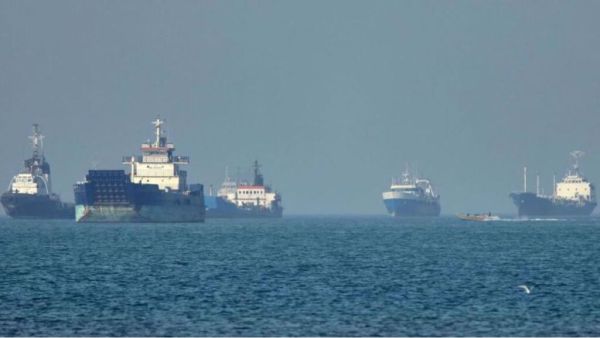
Iran has claimed tighter control over the Strait of Hormuzwith Iranian security officials stating that vessel traffic through the crucial energy corridor has dropped by nearly 95% amid newly imposed transit regulations.
According to statements attributed to Iran’s Security Commission, approximately 1,550 ships are currently awaiting permission from Tehran to pass through the strait, which handles nearly 20% of global oil and gas shipments. Iranian authorities said the waterway is now under the “exclusive supervision” of the Islamic Republic following heightened regional tensions and the introduction of new maritime procedures.
The development marks a major escalation in the ongoing shipping crisis affecting one of the world’s most strategically important trade routes. The Strait of Hormuz serves as a critical passage for crude oil and liquefied natural gas exports from Gulf producers to international markets.
Iran recently introduced new regulations requiring vessels seeking passage through Hormuz to obtain approval and comply with updated maritime procedures. Officials in Tehran have described the measures as necessary for regional security and safe navigation.
Shipping companies and global energy traders are closely monitoring the situation as prolonged disruptions in Hormuz could impact oil supply chains, freight costs and global energy prices. International maritime operators have also raised concerns over delays, rerouting costs and congestion in nearby Gulf waters.
The latest claims from Iranian officials come amid ongoing diplomatic tensions involving the United States and regional powers over sanctions, maritime security and Iran’s nuclear programme. Western governments have repeatedly emphasized the importance of freedom of navigation through international waterways, including Hormuz.
Despite ongoing diplomatic contacts, uncertainty remains high as Tehran continues reviewing broader proposals linked to regional de-escalation and shipping access. Analysts say any prolonged disruption in Hormuz could have significant implications for global energy markets, especially as several economies remain heavily dependent on Gulf oil exports.
So far, there has been no independent confirmation of the exact number of ships reportedly waiting for clearance, but maritime activity in the region remains under intense international scrutiny.
-
Pakistani miniature artist exhibits work In London

-
Mother’s day 2026: These are the trending cake designs to make mother feel special

-
We Might Finally Have Proof That UFOs Exist But Everyone Is Too Burnt Out To Care

-
4 Zodiac Signs Attract Abundance & Luck On Sunday, May 10, 2026

-
8 Alternatives To The 2026 Toyota Prius