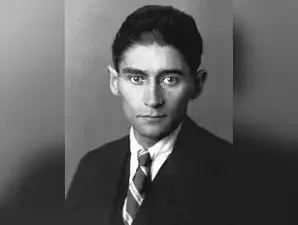
Quote of the Day: A memorable Quote of the Day often survives far beyond the era in which it was written because it speaks to emotions and struggles that remain deeply human. Few writers captured feelings of isolation, uncertainty and inner conflict as powerfully as Franz Kafka, whose works became symbols of the anxieties of the modern world. His words continue to resonate with readers navigating noise, distraction and emotional exhaustion in contemporary life.
Quotes of the Day matter because they offer moments of reflection in an increasingly hurried world. Sometimes a single sentence can encourage patience, self-awareness or a deeper understanding of human nature. Kafka’s writings often explored loneliness, fear and the search for meaning, yet they also contained moments of profound insight about silence, observation and inner truth. His quote about remaining still and allowing the world to reveal itself is one such reflection that continues to inspire readers across generations.
The Quote of the Day today by Franz Kafka is:
“You do not need to leave your room. Remain sitting at your table and listen... The world will freely offer itself to you.”
The line reflects Kafka’s deeply introspective understanding of life and human consciousness. Though often associated with despair and alienation, Kafka also believed that truth could emerge through quiet observation and patient reflection rather than constant movement or outward ambition. The quote captures his belief that human understanding often comes not from chasing the world endlessly, but from learning how to truly listen to it.
Franz Kafka was born on July 3, 1883, in Prague, then part of Bohemia in Austria-Hungary, now located in the Czech Republic. He was born into a prosperous middle-class Jewish family and was the son of Hermann Kafka and Julie Löwy. Kafka’s childhood was shaped by complicated family dynamics, especially his difficult relationship with his father, whose domineering personality left a lasting emotional impact on him.
After the deaths of two brothers in infancy, Kafka became the eldest surviving child in the family. He remained especially close to his youngest sister, Ottla, throughout his life. While Kafka admired the spirituality and intellectual depth of his maternal relatives, he often felt emotionally distant from his parents, particularly his father. This sense of emotional isolation would later become central to his writing.
Kafka was educated at demanding schools in Prague and proved to be an intelligent and disciplined student. Though outwardly obedient and quiet, inwardly he resisted the rigid structures of authority around him. As a young man he declared himself both a socialist and an atheist, though he largely remained politically passive throughout his life. His identity as a German-speaking Jew in Prague contributed to a lifelong feeling of rootlessness and alienation, as per information sourced from Britannica.
One of the defining influences on Kafka’s emotional and literary life was his relationship with his father. Hermann Kafka was a forceful and intimidating businessman whose practical outlook clashed sharply with Franz’s sensitive and introspective nature. Kafka later explored these feelings in his autobiographical work Letter to Father, written in 1919 but never delivered.
Kafka believed his father’s overpowering personality weakened his confidence and prevented him from fully embracing ordinary life, including marriage and family. Themes of authority, judgment and helplessness became recurring elements in his stories and novels. Many of his characters struggle against mysterious systems of power they cannot understand or escape, reflecting Kafka’s own emotional conflicts.
This tension can be clearly seen in works such as The Judgment, The Trial and The Castle. In these stories, individuals face overwhelming forces that appear distant, irrational and impossible to satisfy. Through deceptively simple prose, Kafka transformed deeply personal anxieties into universal literary symbols, as per information sourced from Britannica.
Although Kafka longed to devote himself entirely to literature, practical circumstances forced him into professional work. After studying law at the University of Prague, he earned his doctorate in 1906 and later worked for insurance companies and government institutions. Eventually he joined the Workers’ Accident Insurance Institute for the Kingdom of Bohemia in Prague.
By all accounts Kafka was diligent, intelligent and respected at work. Yet he found office life emotionally exhausting because it left him little time and energy for writing. He described his existence as a painful “double life,” spending long days at work and nights struggling to write. Literature became both his escape and his form of spiritual survival.
During this period Kafka formed a close friendship with Max Brod, who would later play a decisive role in preserving Kafka’s legacy. Kafka often doubted the value of his own writing and instructed Brod to destroy his unpublished manuscripts after his death. Brod ignored these instructions and instead published Kafka’s unfinished novels and stories, introducing them to the world.
Kafka also experienced difficult and emotionally complicated romantic relationships. His engagements to Felice Bauer ended unsuccessfully, and his later relationship with Milena Jesenská was similarly troubled. In 1917 Kafka was diagnosed with tuberculosis, which increasingly affected his health and forced him into periods of treatment and isolation.
Though only a small circle appreciated Kafka’s writing during his lifetime, his works later became among the most influential pieces of modern literature. His fiction expressed feelings of alienation, fear, uncertainty and helplessness that became deeply associated with the modern age.
Among his most celebrated works is The Metamorphosis (1915), in which Gregor Samsa awakens one morning transformed into a monstrous insect. The bizarre premise becomes a tragic meditation on guilt, family rejection and human isolation. Another major work, The Trial, follows Joseph K., a man arrested and prosecuted by a mysterious judicial system without ever learning the nature of his crime, as per information sourced from Britannica.
In The Castle, Kafka portrayed a man endlessly seeking recognition from unreachable authorities. These works introduced what later became known as “Kafkaesque” situations — surreal, oppressive and confusing circumstances in which individuals struggle against faceless systems of power.
Kafka’s fiction blended ordinary reality with unsettling absurdity. His characters desperately search for meaning, identity and acceptance, yet often encounter silence, confusion or failure. Despite the darkness of his themes, his writing revealed profound emotional honesty and psychological insight.
The meaning behind Franz Kafka’s Quote of the Day lies in the power of stillness, patience and awareness. At first glance, the quote may seem to encourage physical isolation, but its deeper meaning is philosophical rather than literal. Kafka suggests that people often search too frantically for truth, purpose or understanding when genuine insight may emerge through observation and reflection.
“Remain sitting at your table and listen” speaks to the importance of silence in a world filled with distraction. Kafka believed that the world constantly reveals itself, but many fail to notice because they are too consumed by noise, ambition or fear. The quote encourages individuals to become attentive to their surroundings, thoughts and emotions.
The line also reflects Kafka’s broader literary themes. His characters frequently seek answers from external systems and authorities, only to discover confusion and emptiness. In contrast, this quote proposes that understanding may come not from endless pursuit but from inward attention and quiet contemplation.
For modern readers, the quote remains strikingly relevant. In an age dominated by constant movement, digital overload and endless information, Kafka’s words feel almost prophetic. They remind people that wisdom sometimes comes through stillness rather than activity, and through listening rather than speaking.
By the early 1920s Kafka’s health had deteriorated significantly due to tuberculosis. In 1923 he moved to Berlin hoping to focus entirely on writing. During this period he met Dora Dymant, a young Jewish socialist who became an important companion during the final chapter of his life.
As his illness worsened, Kafka eventually returned briefly to Prague before entering a clinic near Vienna. He died on June 3, 1924, in Kierling, Austria, at the age of 40.
At the time of his death Kafka was known only within a small literary community. Yet in the decades that followed, his reputation grew enormously. His works came to symbolize the alienation and uncertainty of the 20th century and influenced literature, philosophy, politics and psychology across the world.
Much of Kafka’s enduring fame exists because Max Brod refused to destroy his unpublished manuscripts. Instead, Brod published The Trial, The Castle and Amerika after Kafka’s death, ensuring that his voice would reach future generations, as per information sourced from Britannica.
Beyond the Quote of the Day, Franz Kafka produced many memorable lines that continue to resonate with readers:
“So long as you have food in your mouth, you have solved all questions for the time being.”
“God gives the nuts, but he does not crack them.”
“A first sign of the beginning of understanding is the wish to die.”
“I have the true feeling of myself only when I am unbearably unhappy.”
“He who seeks does not find, but he who does not seek will be found.”
“My ‘fear’ is my substance, and probably the best part of me.”
“One advantage in keeping a diary is that you become aware with reassuring clarity of the changes which you constantly suffer.”
“In the struggle between yourself and the world, second the world.”
“Suffering is the positive element in this world, indeed it is the only link between this world and the positive.”
“Association with human beings lures one into self-observation.”
“I write differently from what I speak, I speak differently from what I think, I think differently from the way I ought to think, and so it all proceeds into deepest darkness.”
“All language is but a poor translation.”
These quotes reflect Kafka’s fascination with fear, understanding, suffering and human identity. His writing often explored emotional truths that many people struggle to articulate themselves.
As a Quote of the Day, Kafka’s reflection on remaining still and allowing the world to reveal itself continues to hold extraordinary relevance. It reminds readers that amid uncertainty and chaos, moments of silence and reflection can offer unexpected clarity. More than a century after his death, Franz Kafka remains one of literature’s most influential voices, and his words continue to illuminate the anxieties, contradictions and hidden truths of modern life.
Quotes of the Day matter because they offer moments of reflection in an increasingly hurried world. Sometimes a single sentence can encourage patience, self-awareness or a deeper understanding of human nature. Kafka’s writings often explored loneliness, fear and the search for meaning, yet they also contained moments of profound insight about silence, observation and inner truth. His quote about remaining still and allowing the world to reveal itself is one such reflection that continues to inspire readers across generations.
Quote of the Day Today May 7
The Quote of the Day today by Franz Kafka is:
“You do not need to leave your room. Remain sitting at your table and listen... The world will freely offer itself to you.”
The line reflects Kafka’s deeply introspective understanding of life and human consciousness. Though often associated with despair and alienation, Kafka also believed that truth could emerge through quiet observation and patient reflection rather than constant movement or outward ambition. The quote captures his belief that human understanding often comes not from chasing the world endlessly, but from learning how to truly listen to it.
Early Life of Franz Kafka
Franz Kafka was born on July 3, 1883, in Prague, then part of Bohemia in Austria-Hungary, now located in the Czech Republic. He was born into a prosperous middle-class Jewish family and was the son of Hermann Kafka and Julie Löwy. Kafka’s childhood was shaped by complicated family dynamics, especially his difficult relationship with his father, whose domineering personality left a lasting emotional impact on him.
After the deaths of two brothers in infancy, Kafka became the eldest surviving child in the family. He remained especially close to his youngest sister, Ottla, throughout his life. While Kafka admired the spirituality and intellectual depth of his maternal relatives, he often felt emotionally distant from his parents, particularly his father. This sense of emotional isolation would later become central to his writing.
Kafka was educated at demanding schools in Prague and proved to be an intelligent and disciplined student. Though outwardly obedient and quiet, inwardly he resisted the rigid structures of authority around him. As a young man he declared himself both a socialist and an atheist, though he largely remained politically passive throughout his life. His identity as a German-speaking Jew in Prague contributed to a lifelong feeling of rootlessness and alienation, as per information sourced from Britannica.
Kafka and His Relationship with His Father
One of the defining influences on Kafka’s emotional and literary life was his relationship with his father. Hermann Kafka was a forceful and intimidating businessman whose practical outlook clashed sharply with Franz’s sensitive and introspective nature. Kafka later explored these feelings in his autobiographical work Letter to Father, written in 1919 but never delivered.
Kafka believed his father’s overpowering personality weakened his confidence and prevented him from fully embracing ordinary life, including marriage and family. Themes of authority, judgment and helplessness became recurring elements in his stories and novels. Many of his characters struggle against mysterious systems of power they cannot understand or escape, reflecting Kafka’s own emotional conflicts.
This tension can be clearly seen in works such as The Judgment, The Trial and The Castle. In these stories, individuals face overwhelming forces that appear distant, irrational and impossible to satisfy. Through deceptively simple prose, Kafka transformed deeply personal anxieties into universal literary symbols, as per information sourced from Britannica.
Kafka’s Double Life: Office Worker and Writer
Although Kafka longed to devote himself entirely to literature, practical circumstances forced him into professional work. After studying law at the University of Prague, he earned his doctorate in 1906 and later worked for insurance companies and government institutions. Eventually he joined the Workers’ Accident Insurance Institute for the Kingdom of Bohemia in Prague.
By all accounts Kafka was diligent, intelligent and respected at work. Yet he found office life emotionally exhausting because it left him little time and energy for writing. He described his existence as a painful “double life,” spending long days at work and nights struggling to write. Literature became both his escape and his form of spiritual survival.
During this period Kafka formed a close friendship with Max Brod, who would later play a decisive role in preserving Kafka’s legacy. Kafka often doubted the value of his own writing and instructed Brod to destroy his unpublished manuscripts after his death. Brod ignored these instructions and instead published Kafka’s unfinished novels and stories, introducing them to the world.
Kafka also experienced difficult and emotionally complicated romantic relationships. His engagements to Felice Bauer ended unsuccessfully, and his later relationship with Milena Jesenská was similarly troubled. In 1917 Kafka was diagnosed with tuberculosis, which increasingly affected his health and forced him into periods of treatment and isolation.
The Works That Made Franz Kafka Immortal
Though only a small circle appreciated Kafka’s writing during his lifetime, his works later became among the most influential pieces of modern literature. His fiction expressed feelings of alienation, fear, uncertainty and helplessness that became deeply associated with the modern age.
Among his most celebrated works is The Metamorphosis (1915), in which Gregor Samsa awakens one morning transformed into a monstrous insect. The bizarre premise becomes a tragic meditation on guilt, family rejection and human isolation. Another major work, The Trial, follows Joseph K., a man arrested and prosecuted by a mysterious judicial system without ever learning the nature of his crime, as per information sourced from Britannica.
In The Castle, Kafka portrayed a man endlessly seeking recognition from unreachable authorities. These works introduced what later became known as “Kafkaesque” situations — surreal, oppressive and confusing circumstances in which individuals struggle against faceless systems of power.
Kafka’s fiction blended ordinary reality with unsettling absurdity. His characters desperately search for meaning, identity and acceptance, yet often encounter silence, confusion or failure. Despite the darkness of his themes, his writing revealed profound emotional honesty and psychological insight.
Quote of the Day Meaning
The meaning behind Franz Kafka’s Quote of the Day lies in the power of stillness, patience and awareness. At first glance, the quote may seem to encourage physical isolation, but its deeper meaning is philosophical rather than literal. Kafka suggests that people often search too frantically for truth, purpose or understanding when genuine insight may emerge through observation and reflection.
“Remain sitting at your table and listen” speaks to the importance of silence in a world filled with distraction. Kafka believed that the world constantly reveals itself, but many fail to notice because they are too consumed by noise, ambition or fear. The quote encourages individuals to become attentive to their surroundings, thoughts and emotions.
The line also reflects Kafka’s broader literary themes. His characters frequently seek answers from external systems and authorities, only to discover confusion and emptiness. In contrast, this quote proposes that understanding may come not from endless pursuit but from inward attention and quiet contemplation.
For modern readers, the quote remains strikingly relevant. In an age dominated by constant movement, digital overload and endless information, Kafka’s words feel almost prophetic. They remind people that wisdom sometimes comes through stillness rather than activity, and through listening rather than speaking.
Kafka’s Final Years and Death
By the early 1920s Kafka’s health had deteriorated significantly due to tuberculosis. In 1923 he moved to Berlin hoping to focus entirely on writing. During this period he met Dora Dymant, a young Jewish socialist who became an important companion during the final chapter of his life.
As his illness worsened, Kafka eventually returned briefly to Prague before entering a clinic near Vienna. He died on June 3, 1924, in Kierling, Austria, at the age of 40.
At the time of his death Kafka was known only within a small literary community. Yet in the decades that followed, his reputation grew enormously. His works came to symbolize the alienation and uncertainty of the 20th century and influenced literature, philosophy, politics and psychology across the world.
Much of Kafka’s enduring fame exists because Max Brod refused to destroy his unpublished manuscripts. Instead, Brod published The Trial, The Castle and Amerika after Kafka’s death, ensuring that his voice would reach future generations, as per information sourced from Britannica.
Iconic Quotes by Franz Kafka
Beyond the Quote of the Day, Franz Kafka produced many memorable lines that continue to resonate with readers:
“So long as you have food in your mouth, you have solved all questions for the time being.”
“God gives the nuts, but he does not crack them.”
“A first sign of the beginning of understanding is the wish to die.”
“I have the true feeling of myself only when I am unbearably unhappy.”
“He who seeks does not find, but he who does not seek will be found.”
“My ‘fear’ is my substance, and probably the best part of me.”
“One advantage in keeping a diary is that you become aware with reassuring clarity of the changes which you constantly suffer.”
“In the struggle between yourself and the world, second the world.”
“Suffering is the positive element in this world, indeed it is the only link between this world and the positive.”
“Association with human beings lures one into self-observation.”
“I write differently from what I speak, I speak differently from what I think, I think differently from the way I ought to think, and so it all proceeds into deepest darkness.”
“All language is but a poor translation.”
These quotes reflect Kafka’s fascination with fear, understanding, suffering and human identity. His writing often explored emotional truths that many people struggle to articulate themselves.
As a Quote of the Day, Kafka’s reflection on remaining still and allowing the world to reveal itself continues to hold extraordinary relevance. It reminds readers that amid uncertainty and chaos, moments of silence and reflection can offer unexpected clarity. More than a century after his death, Franz Kafka remains one of literature’s most influential voices, and his words continue to illuminate the anxieties, contradictions and hidden truths of modern life.