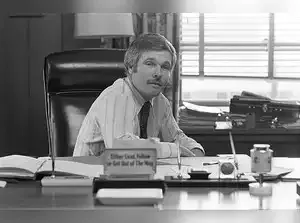
The death of Ted Turner at 87 has revived interest not just in his achievements but also in the controversies that defined his public persona. Known for building CNN and reshaping television, Turner was equally famous for his blunt remarks, risky decisions, and headline-making feuds.
Often described as a visionary and a provocateur, Turner earned the nicknames “Mouth of the South” and “Captain Outrageous”, labels that captured both his charisma and his unpredictability. As conversations about his life and family are being fondly remembered, his controversial legacy is back in the spotlight.
He frequently made provocative statements that sparked backlash. One of the most widely criticized moments came when he compared rival media mogul Rupert Murdoch to Adolf Hitler, escalating a long-running feud between the two powerful figures. He even challenged Murdoch to a public boxing match, underscoring his combative style.
In another controversy, shortly after the 9/11 attacks, Turner described the perpetrators as “brave,” a comment that drew widespread outrage. He later clarified that he had chosen the wrong word while attempting to discuss the motivations behind extremism.
Turner also faced criticism for comments on international politics, including remarks accusing Israel of harsh actions against Palestinians, statements that added to his reputation as someone unafraid to speak impulsively.
The nickname “Captain Outrageous” traces back to Turner’s sailing career, particularly after he won the prestigious America’s Cup in 1977.
At the post-race press conference, Turner appeared visibly intoxicated, delivering an unfiltered and erratic performance that made headlines. The moment became symbolic of his larger-than-life personality, brilliant, unpredictable and sometimes reckless.
To his credit, Turner later acknowledged the incident and reduced his alcohol consumption, eventually quitting altogether in 2011.
Turner’s controversies weren’t limited to his words, his business decisions also stirred debate.
His launch of CNN in 1980 was initially mocked as the “Chicken Noodle Network,” with critics doubting the viability of 24-hour news. Yet, the gamble paid off, transforming how news is consumed globally.
However, his role in the AOL-Time Warner merger remains one of the most controversial chapters of his career. Turner once described the deal as “better than sex,” a remark he later regretted as the merger collapsed in value, wiping out billions and slashing Ted Turner's net worth dramatically.
He also lost influence within Time Warner and was eventually pushed out, a rare setback for a man known for winning big.
WCW became a major rival to WWE during the “Monday Night Wars,” but after Time Warner's corporate restructuring, support waned and the company was eventually sold. Fans still debate whether corporate politics, rather than performance, led to WCW’s downfall.
Personal life, relationships and public scrutiny
Turner’s personal life also attracted attention. His marriage to actor and activist Jane Fonda was one of Hollywood’s most talked-about relationships.
Fonda later described Turner as deeply complex, shaped by a difficult childhood and emotional struggles. Their relationship, though filled with mutual respect, ended in divorce after a decade.
But he was also a man whose words often sparked outrage, whose risks sometimes backfired, and whose personality made him impossible to ignore.
In the end, the same traits that earned him criticism, boldness, honesty and fearlessness, were the ones that made him unforgettable.
Often described as a visionary and a provocateur, Turner earned the nicknames “Mouth of the South” and “Captain Outrageous”, labels that captured both his charisma and his unpredictability. As conversations about his life and family are being fondly remembered, his controversial legacy is back in the spotlight.
Why was Ted Turner called “Mouth of the South”?
Turner’s outspoken personality made him one of the most quoted and criticized, figures in the media.He frequently made provocative statements that sparked backlash. One of the most widely criticized moments came when he compared rival media mogul Rupert Murdoch to Adolf Hitler, escalating a long-running feud between the two powerful figures. He even challenged Murdoch to a public boxing match, underscoring his combative style.
In another controversy, shortly after the 9/11 attacks, Turner described the perpetrators as “brave,” a comment that drew widespread outrage. He later clarified that he had chosen the wrong word while attempting to discuss the motivations behind extremism.
Turner also faced criticism for comments on international politics, including remarks accusing Israel of harsh actions against Palestinians, statements that added to his reputation as someone unafraid to speak impulsively.
“Captain Outrageous”: The yacht race moment that stuck
The nickname “Captain Outrageous” traces back to Turner’s sailing career, particularly after he won the prestigious America’s Cup in 1977.At the post-race press conference, Turner appeared visibly intoxicated, delivering an unfiltered and erratic performance that made headlines. The moment became symbolic of his larger-than-life personality, brilliant, unpredictable and sometimes reckless.
To his credit, Turner later acknowledged the incident and reduced his alcohol consumption, eventually quitting altogether in 2011.
Business risks, bold bets and major backlash
Turner’s controversies weren’t limited to his words, his business decisions also stirred debate.His launch of CNN in 1980 was initially mocked as the “Chicken Noodle Network,” with critics doubting the viability of 24-hour news. Yet, the gamble paid off, transforming how news is consumed globally.
However, his role in the AOL-Time Warner merger remains one of the most controversial chapters of his career. Turner once described the deal as “better than sex,” a remark he later regretted as the merger collapsed in value, wiping out billions and slashing Ted Turner's net worth dramatically.
He also lost influence within Time Warner and was eventually pushed out, a rare setback for a man known for winning big.
Ted Turner, WCW and media power struggles
Turner’s influence extended into sports entertainment through World Championship Wrestling (WCW), which he backed during its rise in the 1990s.WCW became a major rival to WWE during the “Monday Night Wars,” but after Time Warner's corporate restructuring, support waned and the company was eventually sold. Fans still debate whether corporate politics, rather than performance, led to WCW’s downfall.
Personal life, relationships and public scrutiny
Turner’s personal life also attracted attention. His marriage to actor and activist Jane Fonda was one of Hollywood’s most talked-about relationships.
Fonda later described Turner as deeply complex, shaped by a difficult childhood and emotional struggles. Their relationship, though filled with mutual respect, ended in divorce after a decade.
Ted Turner death and cause of death
Turner died at the age of 87, after battling Lewy body dementia. The condition, which affects memory and cognitive function, had been publicly disclosed years earlier.A legacy shaped by brilliance — and controversy
Turner’s life defies simple categorization. He was a pioneer who launched CNN, a billionaire whose net worth fluctuated dramatically, and a philanthropist who gave away $1 billion to the United Nations Foundation.But he was also a man whose words often sparked outrage, whose risks sometimes backfired, and whose personality made him impossible to ignore.
In the end, the same traits that earned him criticism, boldness, honesty and fearlessness, were the ones that made him unforgettable.