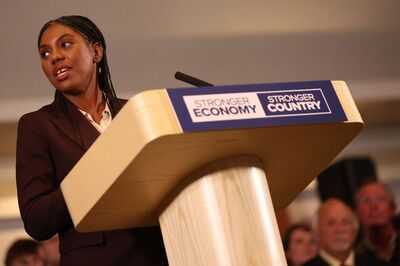

Voters across Britain head to the polls on Thursday in a set of local and devolved elections that could carry significant national consequences. As ballots are cast in contests for English councils, as well as legislatures in Scotland and Wales, attention will quickly turn to when the results will be declared-and whether any early indicators, such as an exit poll, might offer clues about the outcome.
Counting typically begins soon after polls close at 10pm on Thursday. However, unlike a UK general election, where most results arrive overnight, local election counts are often staggered.
Many English council results are expected to come through during the early hours of Friday morning and into the afternoon, with some authorities not declaring until later in the day.
Results from Scotland and Wales, where proportional systems can make counting more complex, may take longer, with key announcements likely spread across Friday and, in some cases, into Saturday.
Because thousands of individual seats are being contested-around 2,500 in England alone-the overall national picture will emerge gradually. Analysts and broadcasters will piece together trends as declarations come in, rather than relying on a single definitive moment.
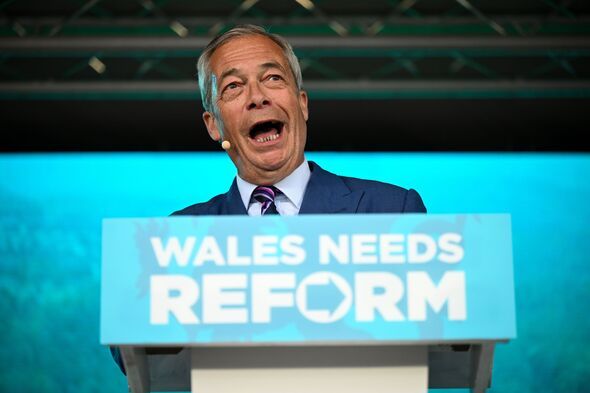
A traditional nationwide exit poll, like those seen at general elections, is not expected for these contests.
Exit polls are expensive and logistically complex, and broadcasters tend to reserve them for national votes where a single projection can estimate the composition of Parliament.
With local elections fragmented across different regions and electoral systems, producing a reliable nationwide projection is far more difficult.
Instead, attention will focus on early results and expert analysis. Some organisations may publish polling or modelling during the night, but these are not the same as a comprehensive exit poll and should be treated with caution.
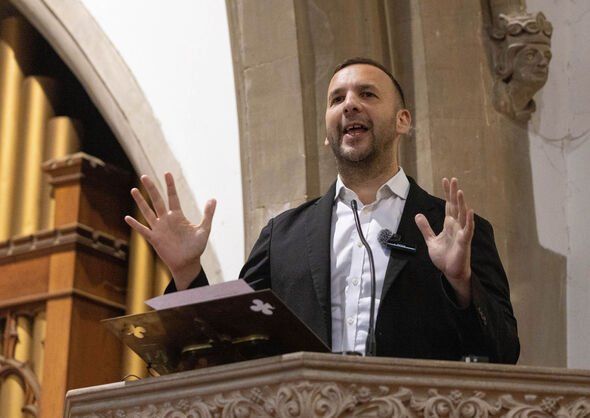
Despite being local elections, Thursday's votes are being widely interpreted as a test of Prime Minister Keir Starmer and his Labour Government.
Less than two years after winning a landslide, Labour is braced for losses, with forecasters suggesting it could lose a substantial share of the seats it currently holds.
The results are expected to reflect broader political shifts. Support for Labour appears to be fragmenting, with gains anticipated for smaller and rival parties, including the Greens and Reform UK. Meanwhile, the Conservatives-still recovering from their 2024 defeat-face competition on multiple fronts.
In Scotland and Wales, the stakes are also high. Plaid Cymru is aiming for a breakthrough in Wales, while the Scottish National Party hopes to maintain its dominance and keep the question of independence alive.
Experts suggest the UK is moving away from its traditional two-party structure towards a more complex, multi-party system.
That makes interpreting the results more challenging-and more significant. Rather than a simple win or loss for one party, the elections may underline a broader shift in how British politics operates.
In practical terms, that means Thursday night and Friday will not deliver a single, clear verdict.
Instead, the story will unfold piece by piece, as results trickle in and patterns become clearer-offering the first real indication of how voters are responding to the current Government and the changing political landscape.
-
Capricorn Daily Horoscope Today for May 6, 2026: Progress does not need to feel heavy today

-
Taurus Daily Horoscope for May 6, 2026: The day brings steadiness in love, career, and health

-
Farooq Abdullah Comments on Recent Punjab Explosions, Sparks Controversy
-
Assam's Political Shift: Chief Minister Himanta Biswa Sarma Resigns to Make Way for New Leadership

-
Murder Shocks Greater Noida: Youth Shot Dead After Wedding